

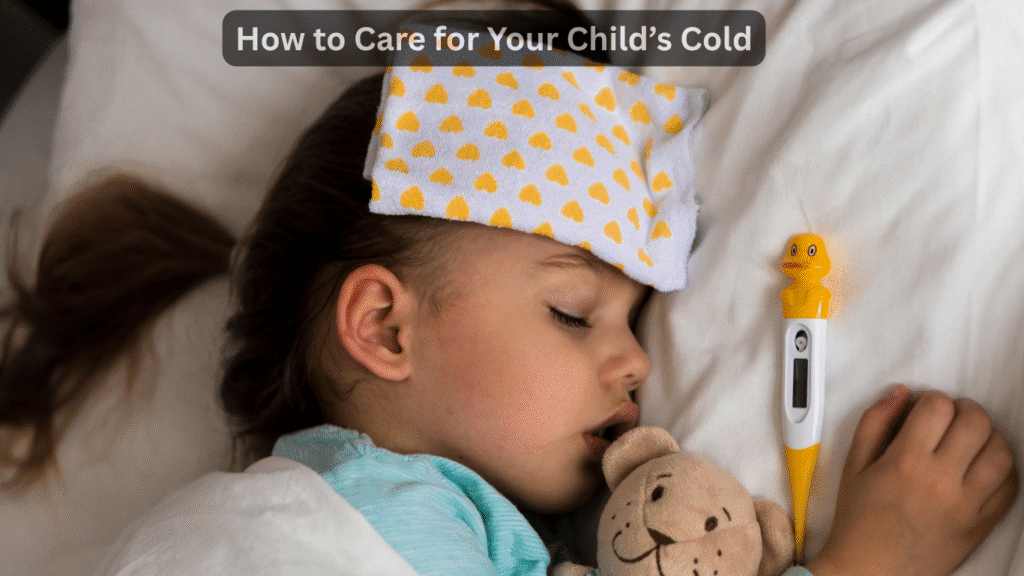
How to Care Cold for Your Child
Every parent knows the worry that comes when their child catches a cold — the stuffy nose, the constant sneezing, and those sleepless nights. While the common cold is usually harmless, it can make children feel miserable. Knowing how to care for your child’s cold the right way helps them recover faster and keeps complications at bay.
This guide explains what causes a cold, how to comfort your child at home, when to seek medical help, and simple steps to prevent future infections.
Understanding the Common Cold
The common cold is a viral infection that mainly affects the nose and throat. It’s most often caused by rhinoviruses, which spread through coughing, sneezing, or touching contaminated surfaces.
Children are more vulnerable because their immune systems are still developing, and they are frequently exposed to germs in schools or playgrounds. On average, kids can catch six to eight colds per year, especially during winter or monsoon seasons.
Common Symptoms to Watch For
Recognizing the early signs of a cold helps in managing it effectively. Some typical symptoms include:
- Stuffy or runny nose
- Sneezing and coughing
- Mild fever
- Sore throat
- Loss of appetite
- Fatigue and irritability
- Watery eyes
These symptoms usually appear one to three days after exposure to the virus and last around 7 to 10 days.
Children are more vulnerable because their immune systems are still developing, and they are frequently exposed to germs in schools or playgrounds. On average, kids can catch six to eight colds per year, especially during winter or monsoon seasons.
1. Keep Your Child Hydrated
When your child is sick, they may not feel like drinking or eating. However, hydration is essential to thin mucus and prevent dehydration. Offer warm fluids like:
- Water
- Warm soup or broth
- Fresh fruit juices (avoid too much sugar)
- Warm milk with turmeric (for kids above 1 year)
Avoid giving caffeinated or carbonated drinks as they can worsen dehydration.
2. Ensure Plenty of Rest
Rest is the best medicine. The body heals faster when it isn’t overworked. Encourage your child to sleep longer and take naps during the day. Avoid sending them to school or play areas until the fever subsides and energy returns.
A calm, quiet environment helps the body recover naturally. Reading a storybook or listening to soft music can help them relax.
3. Use a Humidifier for Relief
Dry air can make congestion worse. A cool-mist humidifier in your child’s room adds moisture to the air and makes breathing easier. You can also try the steam method — allow your child to inhale warm steam from a bowl of hot water (under adult supervision) or let them sit in a steamy bathroom for a few minutes.
4. Keep the Nose Clear
Blocked noses are one of the hardest symptoms for small children. You can ease nasal congestion by:
- Using saline nasal drops or spray (safe and gentle).
- Cleaning the nose gently with a soft tissue.
- Encouraging older kids to blow their nose regularly.
For infants, use a bulb syringe or nasal aspirator to gently remove mucus.
5. Feed Nutritious Food
When your child is sick, appetite often decreases. Don’t force them to eat heavy meals. Instead, offer light, nutritious foods such as:
- Vegetable soups
- Khichdi or soft rice with ghee
- Mashed fruits like banana or apple puree
- Warm milk with honey (only for kids above 1 year)
These provide essential nutrients and energy while being easy to digest.
6. Maintain Proper Hygiene
Viruses spread easily through touch. To stop the infection from worsening or spreading:
- Wash your hands and your child’s hands frequently with soap and water.
- Use hand sanitizer when soap isn’t available.
- Disinfect toys, utensils, and doorknobs daily.
- Teach children to cover their mouth when coughing or sneezing using a tissue or elbow.
7. Avoid Over-the-Counter Medicines Without Doctor’s Advice
Many cold medications are not suitable for young children, especially those under 6 years old. Avoid giving cough syrups, antibiotics, or antihistamines without consulting a pediatrician.
For fever or body pain, paracetamol or ibuprofen (in child-safe doses) may be recommended by the doctor. Always check the label and dosage instructions carefully.
8. Use Natural Remedies Wisely
Simple home remedies can provide comfort alongside medical care:
- Honey and warm water soothe sore throats (for children over 1 year).
- Tulsi and ginger tea (lightly brewed) can help clear congestion.
- Warm saltwater gargle for kids old enough to gargle safely.
- A few drops of eucalyptus oil in warm water for steam inhalation.
However, always use natural remedies cautiously and never replace prescribed medication.
9. Keep Your Child Away from Cold Air and Dust
Children with colds are more sensitive to temperature changes. Dress them comfortably — not too warm or too cold. Avoid exposure to cold air, smoke, perfumes, or dusty areas as these can trigger coughing fits or worsen symptoms.
If you use air conditioning, keep the temperature moderate and the filters clean.
10. Boost Immunity Naturally
A strong immune system helps your child fight colds better. Encourage:
- Regular outdoor play for sunlight and fresh air.
- A balanced diet rich in fruits, vegetables, and proteins.
- Adequate sleep (10–12 hours for younger kids).
- Vaccinations — including the flu shot as recommended by your doctor.
When to See a Doctor
While most colds go away on their own, seek medical attention if your child:
- Has a high fever (above 102°F / 39°C) for more than 2 days.
- Has difficulty breathing or wheezing.
- Refuses to eat or drink.
- Shows signs of ear pain or persistent cough.
- Seems unusually tired or drowsy.
Your pediatrician can check for possible complications like ear infection, bronchitis, or pneumonia.
How to Prevent Future Colds
Prevention is the key to keeping your child healthy year-round. Follow these steps:
- Teach proper handwashing before meals and after playtime.
- Keep your child’s surroundings clean and dust-free.
- Avoid sharing utensils or towels.
- Strengthen immunity through nutritious meals.
- Limit contact with sick individuals.
Encouraging these habits from an early age helps children stay stronger and fall sick less often.