


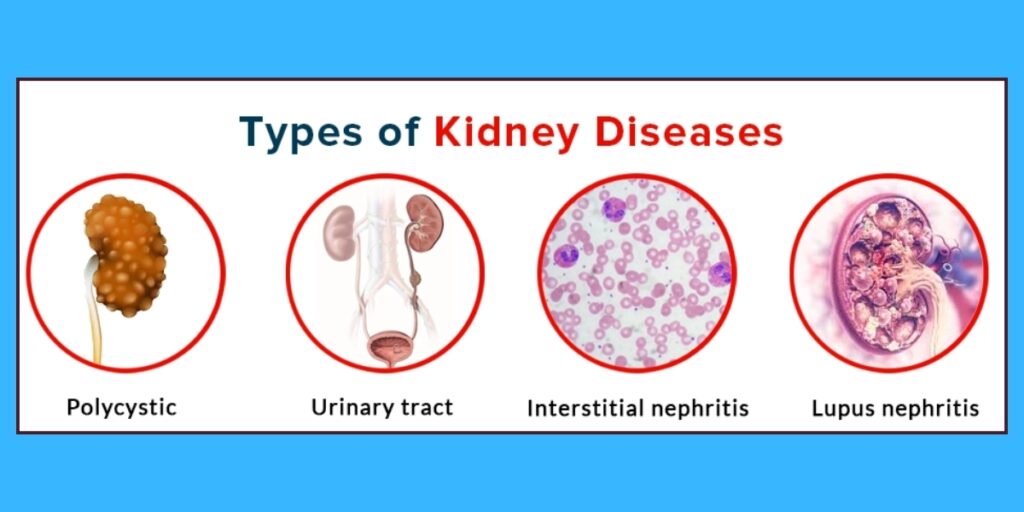
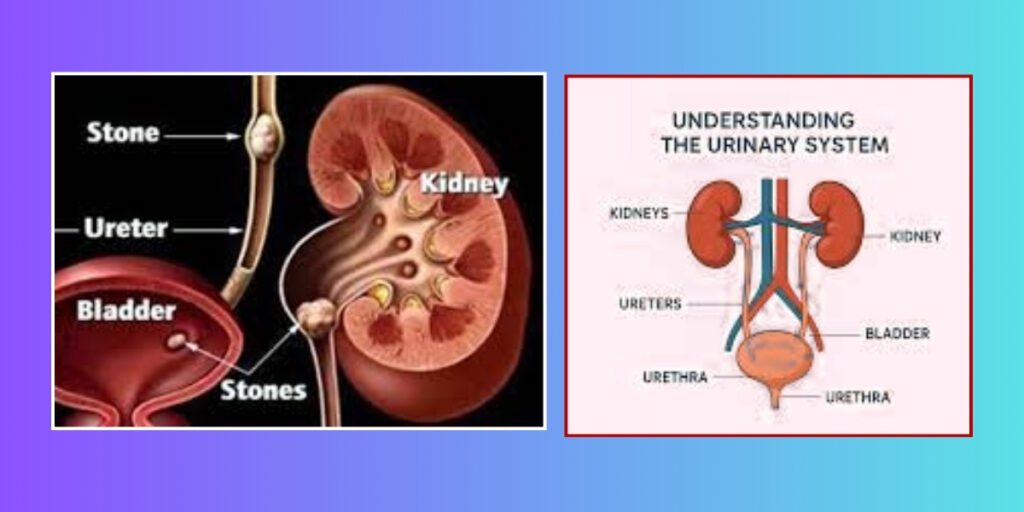
The urinary system is important in eliminating waste products and unnecessary water from the body. This consists of the kidneys, ureters, bladder and urethra.
If any of these components are diseased, a wide variety of urinary diseases can result that vary from mild infections to very serious chronic conditions.
Differentiating the types of urinary diseases can be useful in early detection, appropriate treatment and prevention of its complications.
Urinary Tract Infections
UTIs are one of the most prevalent urinary diseases particularly in females. They happen when bacteria, such as E. coli, infect the urinary tract and spread.
UTIs can affect any part of the urinary tract, including the bladder, urethra, kidneys and ureters. Typical symptoms include pain when you pee, needing to pee often or severe-smelling looking urine as well as lower tummy pain.
Kidney Stones
Kidney stones are solid masses of mineral and salt that build up in the kidneys. They grow when the urine is concentrated and minerals in the pee crystallize and stick together.
Several types of kidney stones exist, including calcium stones, uric acid stones, struvite stones, and cystine stones.
Symptoms are intense pain in the back or side, blood in urine, nausea, vomiting and painful urination. Dehydration, a high intake of salt and some medical conditions raise the risk of kidney stones.
Chronic Kidney Disease
CKD is a lifelong condition in where the kidneys slowly lose their function. Many times, it progresses quietly and gets worse over time.
The most frequent causative factors are diabetes, hypertension, longstanding urinary obstruction and recurrent kidney infection.
Symptoms can range from fatigue, swelling in the legs or face, low urine output and loss of appetite. Early detection and lifestyle modifications can slow down the disease and reduce onset of kidney failure.
Acute Kidney Injury
Acute Kidney Injury is a rapid loss of the renal function over a time period of hours or days. It is frequently reversible when treatment is prompt.
It can occur from a profound dehydration, a variety of infections, loss of blood, or poisonings with certain medications, as well as obstruction to the flow of urine from the kidneys.
Symptoms include diminished urine output, confusion, swelling and shortness of breath. Urgent medical treatment is crucial to avoid irreversible kidney injury.
Urinary Incontinence
Urinary incontinence is the involuntary loss of urine. It can occur in people of any age, but is more common in older adults and women.
Urinary incontinence includes stress, urge, overflow and functional incontinence. Causes include weakened pelvic muscles, nerve damage from prostatitis and other conditions, prostate problems or hormonal changes.
While it is not fatal, the impact on life-quality can be substantial.
Overactive Bladder
Overactive bladder is a condition characterized by sudden and frequent urges to urinate, even when the bladder is not full.
It may or may not be associated with urinary incontinence. Causes include nerve damage, bladder muscle overactivity, infections, and certain medications.
Symptoms often interfere with daily activities and sleep, but lifestyle changes and medical treatment can help manage the condition effectively.
Interstitial Cystitis
Interstitial cystitis is a chronic condition causing bladder pressure, pain, and discomfort without any clear infection.
People with this condition experience frequent urination, pelvic pain, and discomfort that worsens as the bladder fills.
The exact cause is unknown, and diagnosis is often made after ruling out other urinary diseases. While there is no cure, symptoms can be managed with medications, diet modifications, and physical therapy.
Prostatitis
Prostatitis is the inflammation of the prostate gland and can be acute or chronic.
It may be caused by bacterial infection or other non-infectious factors. Symptoms include pelvic pain, painful urination, fever, chills, and difficulty urinating.
Early treatment with antibiotics or other therapies can relieve symptoms and prevent complications.
Urinary Obstruction
Urinary obstruction occurs when the normal flow of urine is blocked at any point in the urinary tract.
Causes include kidney stones, tumours, blood clots, prostate enlargement, or strictures in the urethra.
Symptoms depend on the location and severity of the blockage and may include pain, reduced urine output, and bladder swelling. Prompt treatment is necessary to prevent kidney damage.
Bladder Cancer
Bladder cancer develops when abnormal cells grow uncontrollably in the bladder lining.
Common symptoms include blood in urine, frequent urination, pain during urination, and lower back pain.
Smoking is a major risk factor. Early detection significantly improves treatment outcomes, making regular check-ups are important for high-risk individuals.
Polycystic Kidney Disease
Polycystic Kidney Disease is a genetic disorder where multiple fluid-filled cysts develop in the kidneys.
Over time, these cysts enlarge and impair kidney function. Symptoms include high blood pressure, back pain, frequent UTIs, and blood in urine. Although there is no cure, treatment focuses on managing symptoms and slowing disease progression.
Vesicoureteral Reflux
Vesicoureteral reflux is a condition where urine flows backward from the bladder into the ureters or kidneys.
It is more common in children and can lead to recurrent urinary tract infections and kidney damage if untreated. Early diagnosis and monitoring are essential to protect kidney health.
FAQs on Urinary Diseases
1.What are urinary diseases?
Urinary diseases are health problems that affect the kidneys, bladder, or urine passage and cause difficulty in urination.
2. What are the common symptoms of urinary problems?
Common symptoms include burning while urinating, frequent urination, pain in the lower abdomen or back, and blood in urine.
3. What is the most common urinary disease?
Urinary tract infection is the most common urinary disease, especially in women.
4. When should I see a doctor for urinary problems?
You should see a doctor if you have pain during urination, blood in urine, fever, severe back pain, or repeated infections.
5. Can urinary diseases be prevented?
Yes, many urinary diseases can be prevented by drinking enough water, maintaining hygiene, and not holding urine.