

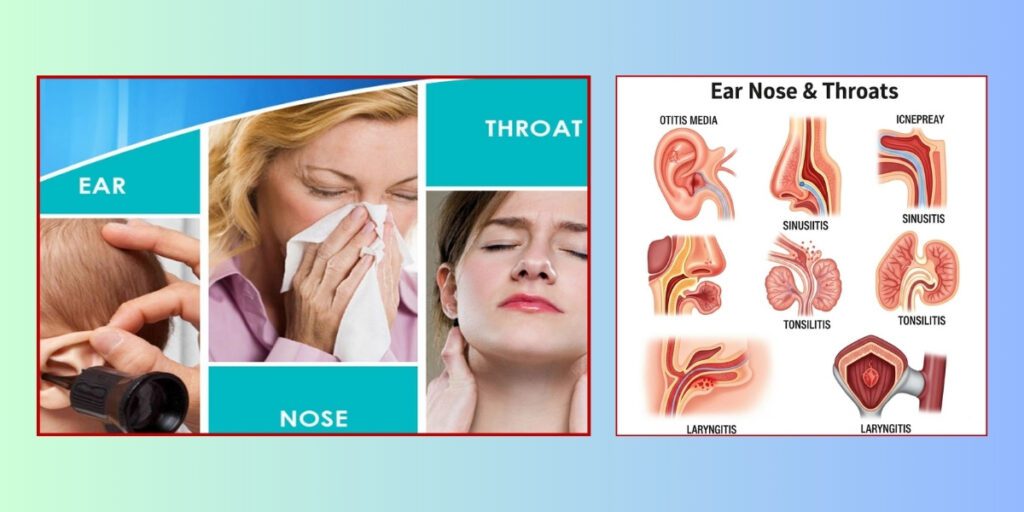
ENT disorders will refer to the conditions affecting the ear, nose and throat along with the nearby structures of the head and neck.
The close relationship between these organs means that an issue with one often affects the others. Otolaryngologists, also known as ENT specialists, are able to diagnose and treat these disorders.
ENT disorders may involve infections, allergies, chronic breathing and hearing issues impacting daily life. Knowing their causes, symptoms and treatments helps them to take timely action.
Common Ear Problems
Ear disorders can affect either hearing or balance. You may need a doctor’s help with their symptoms when it is temporary or.
Ear problems that are seen commonly include.
- Infection of the middle ear.
- An infection of the external ear canal.
- Loss of hearing
- Ringing sound (Tinnitus).
- Problems of vertigo and balance.
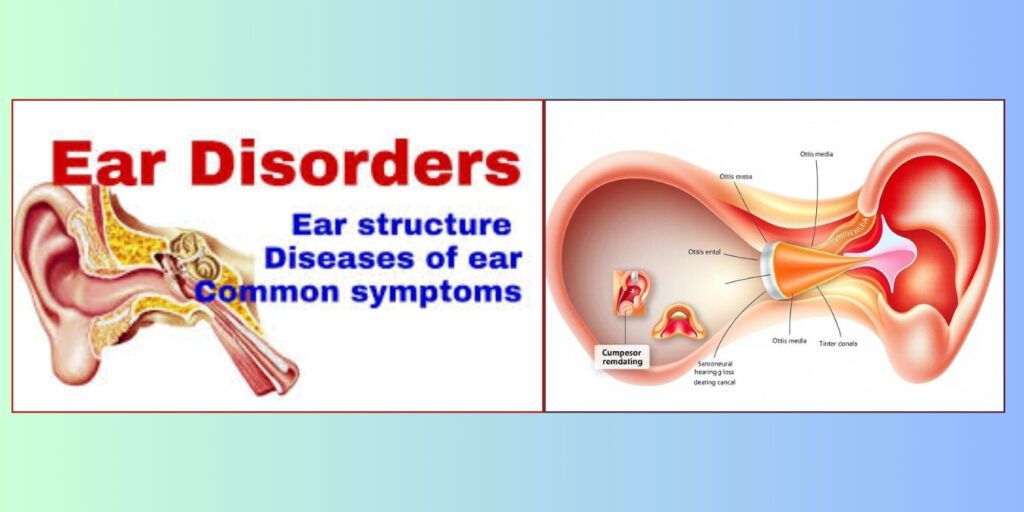
Ear infections are very common in kids as their ear structures are not yet formed. Infections can cause ear pain, fever and sometimes temporary deafness.
Water gets stuck in the ear canal, causing swimmer’s ear. Hearing loss in adults can be due to the aging process or long-term noise exposure.
People suffering from this problem hear a buzz or a ringing sound in the ear.
Nose and Sinus Disorders
The nose is essential for breathing, smell and air filtration. When nasal passages or sinuses are affected, breathing and comfort are disturbed.
Common nose and sinus conditions include
- Allergic rhinitis
- Sinusitis
- Deviated nasal septum
- Nasal polyps
Allergic rhinitis happens when the body reacts to allergens such as dust or pollen, leading to sneezing, itching, watery discharge and a blocked nose.
Sinusitis occurs when sinus passages become inflamed and filled with mucus, causing facial pain, pressure and headache.
A deviated septum makes airflow uneven and may worsen snoring and sinus infections. Nasal polyps are soft tissue growths that block airflow and reduce the sense of smell.
Throat and Voice Disorders
Throat problems affect swallowing, breathing and speech. They can be infection-related or due to voice strain or acid reflux.
Common throat disorders include:
- Tonsillitis
- Pharyngitis
- Laryngitis
- GERD-related throat irritation
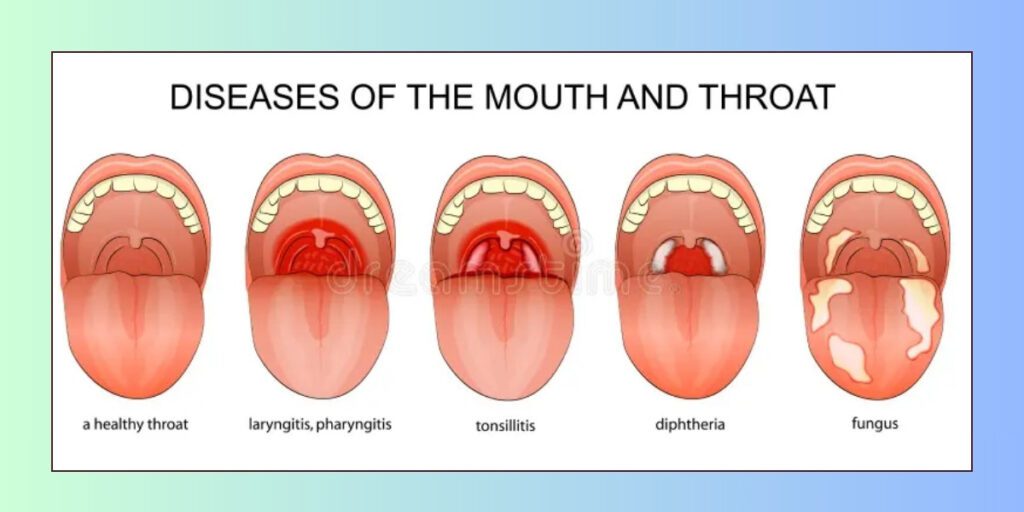
Tonsillitis commonly affects children and causes sore throat, fever and painful swallowing. Pharyngitis results from viral or bacterial infection and leads to throat redness and discomfort.
Laryngitis affects the voice box, resulting in hoarseness or voice loss. Smoking, infection and shouting can worsen symptoms.
GERD, a digestive disorder, causes acid to travel up the throat leading to burning sensations and persistent cough.
Causes and Risk Factors
ENT disorders can occur due to many internal and environmental triggers.
Major risk factors include:
- Bacterial or viral infections
- Allergies and pollution
- Smoking
- Loud noise exposure
- Poor hygiene
- Chronic illnesses such as asthma or diabetes
Children are at higher risk of ear infections because their immune and ear systems are still developing. Seasonal changes also trigger sinus and throat problems.
People exposed to loud noises, such as factory workers or frequent headphone users, may experience gradual hearing loss. Lifestyle habits like smoking significantly damage ENT health.
Symptoms You Should Not Ignore
Symptoms vary depending on the affected organ, but warning signs should be recognized early.
Common ENT symptoms include:
- Ear pain or discharge
- Hearing loss or ringing
- Dizziness or balance issues
- Nasal blockage or sneezing
- Headache and sinus pressure
- Sore throat or hoarseness
- Difficulty swallowing
Children may pull at their ears or cry frequently when suffering from ear infections. Adults may notice gradual hearing decline or persistent throat irritation.
Any symptom lasting more than one week or associated with fever or breathing difficulty requires medical consultation.
Diagnosis and Evaluation
ENT specialists use several tools to confirm conditions.
Diagnostic methods include:
- Physical examination
- Otoscope ear check
- Nasal endoscopy
- Hearing tests
- Allergy tests
- Imaging scans (X-ray/CT)
A detailed history and examination help doctors understand symptoms. Special instruments allow them to view the ear, nose and throat directly. Tests ensure accurate diagnosis and proper treatment.
Treatment Options
Treatment depends on the severity and cause of the disorder.
Common treatments include:
- Antibiotics or antiviral medicines
- Nasal sprays and antihistamines
- Pain relievers
- Hearing aids
- Surgical procedures when required
Most infections respond well to medication. Allergy-related issues improve with proper management and avoidance of triggers.
In severe or chronic conditions, surgery may be recommended such as tonsil removal, sinus surgery or correction of deviated septum.
Prevention and Self-Care Tips
Healthy habits can greatly reduce ENT problems.
Helpful preventive steps include:
- Maintain good hygiene
- Avoid smoking and pollution
- Limit loud noise exposure
- Manage allergies
- Stay hydrated
- Avoid inserting objects into ears
Simple lifestyle changes like washing hands, keeping rooms dust-free and avoiding loud noise protect ENT health. Good nutrition and rest support immunity.
When to See a doctor
Seek immediate medical help if you experience:
- Sudden hearing loss
- Severe throat swelling
- Persistent dizziness
- High fever
- Ear discharge or bleeding
- Breathing difficulty
Frequently Asked Questions About ENT Disorders
- What are ENT disorders?
ENT disorders are medical conditions that affect the ear, nose and throat, including problems like ear infections, sinusitis, hearing loss and throat infections. - When should I see an ENT specialist?
You should visit an ENT doctor if you have persistent ear pain, hearing problems, nasal blockage, sinus pressure, sore throat or breathing difficulty lasting more than a week. - Are ENT problems common in children?
Yes. Children often get ear and throat infections because their immune systems and ear structures are still developing. - Can allergies cause ENT problems?
Yes. Allergies can lead to sneezing, nasal congestion, sinus headaches and throat irritation. - How can I prevent ENT disorders?
Maintain good hygiene, avoid smoking and pollution, manage allergies, protect ears from loud noise and seek early medical care when symptoms appear.