

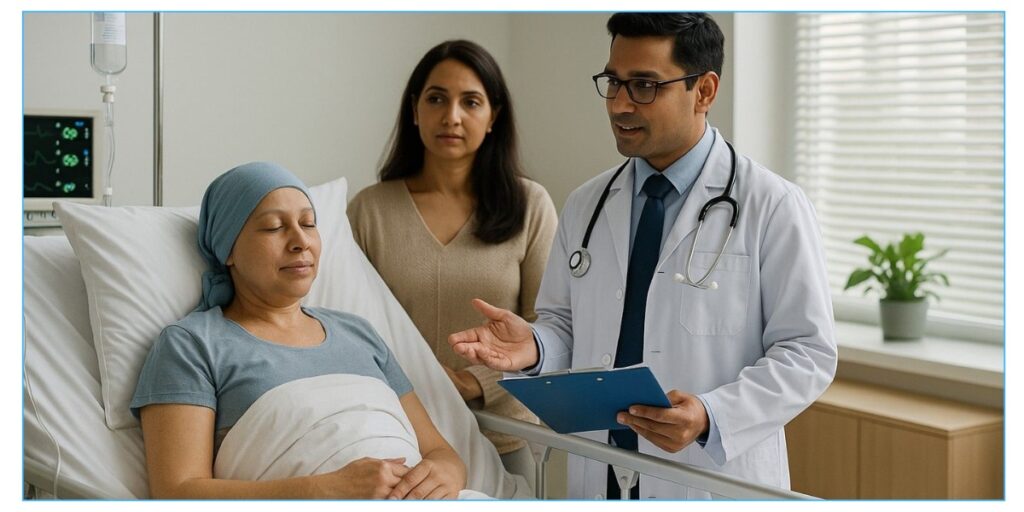
Oncology signifies the field of medicine that emphasizes the detection, management, and support for cancer patients. The global population affected by cancer is in millions, thus making it a priority to spread the awareness about the disease.
The present-day oncology not only seeks to cure but also to prevent, detect the disease at an early stage, give psychological support, provide physical rehabilitation, and ultimately improve the quality of life.
Cancer occurs when the normal cells in the body turn into abnormal cells and proliferate without control. These cells may cause tumours, disseminate to other body parts, and disrupt the functioning of the organs that are normally working.
Although the mention of “cancer” can drive one into despair, the current sophisticated medical care is a source of encouragement. Early detection, tailor-made therapies, and preventive tactics are the major contributors in the process of obtaining better results.
Understanding Early Detection
Early detection is nothing but the detection of cancer at a very early stage — when it has not yet spread or turned into a more difficult case to treat.Quite a few cancers are much more manageable if the patients are diagnosed early.
Hence, smoking, genetic predisposition, obesity, and family history are some of the risk factors that make regular health check-ups and screenings all the more necessary.
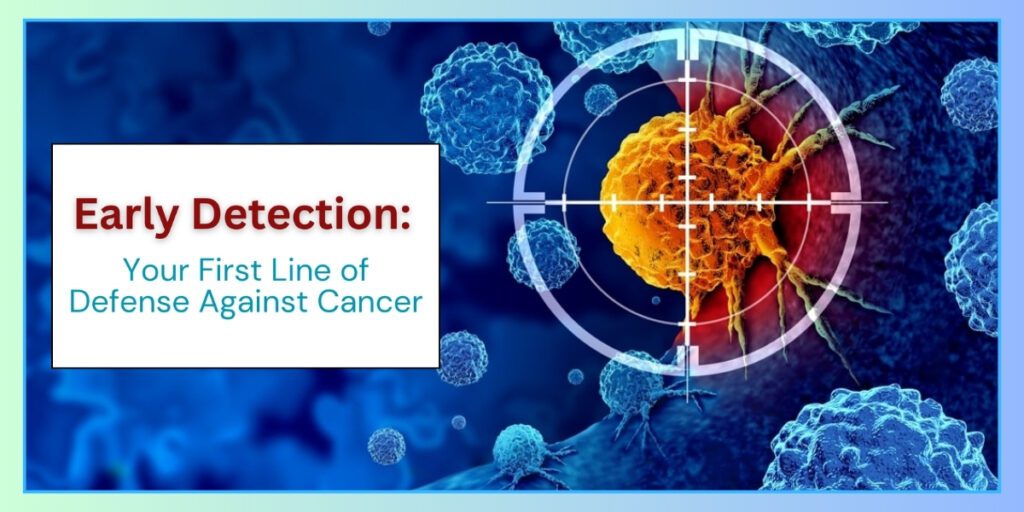
Why early detection is important:
- Increases survival rates
- Allows simpler and less aggressive treatments
- Reduces complications
- Improves quality of life
- Lowers treatment costs
Among cancerous diseases, you may find some that have symptoms like weight loss for no reason, fatigue that won’t go away, sores that don’t heal, bleeding that is not normal, lumps, or pain that lasts for a long time.
On the contrary, cancers still have their early stages without showing any signs of existence. Mammograms, Pap tests, colon examinations, PSA tests, CT scans, and blood tests are some of the screening tests that reveal tumours that are not yet symptomatic.
It is very important to pay attention to your body and to consult a doctor if the symptoms persist. Taking the warning signs lightly or postponing the diagnosis may render the treatment difficult.
Diagnosis and Role of the Oncologist
When cancer is suspected, doctors conduct tests to confirm the diagnosis. These may include physical examination, imaging scans, laboratory tests, and biopsy, where a small tissue sample is examined for cancer cells.
Once cancer is confirmed, the oncologist determines:
- The type of cancer
- The location
- Whether it has spread (staging)
- The best treatment approach
Oncologists often work as part of a multidisciplinary team including surgeons, radiation specialists, pathologists, nurses, nutritionists, and psychologists. This team-based care ensures that patients receive comprehensive medical and emotional support.
Treatment Options in Oncology
Modern oncology offers a wide range of treatment options depending on the type and stage of cancer, as well as the patient’s overall health.
Surgery
Cancer surgery involves removing the tumour and surrounding tissues. It is commonly used when cancer is localized and has not spread widely. In some cases, surgery may also be performed to relieve symptoms or improve comfort.
Chemotherapy
Chemotherapy uses powerful medicines to destroy cancer cells. These drugs travel throughout the body, making them useful for cancers that have spread. While side effects such as fatigue and nausea may occur, supportive medicines now make chemotherapy more tolerable than before.
Radiation Therapy
Radiation therapy uses high-energy rays to kill or shrink cancer cells. It may be used alone or along with surgery and chemotherapy.
Immunotherapy
This treatment boosts the body’s immune system to fight cancer naturally. It has revolutionized care for several cancer types.
Targeted Therapy
Targeted medicines attack specific cancer genes or proteins, causing fewer side effects than traditional chemotherapy.
Hormone Therapy
Used mainly for cancers like breast and prostate cancer, hormone therapy slows or stops cancer growth by blocking hormones that fuel tumour development.
Palliative and Supportive Care
This focuses on relieving pain, managing side effects, and improving emotional well-being. It is an essential part of cancer care at every stage.
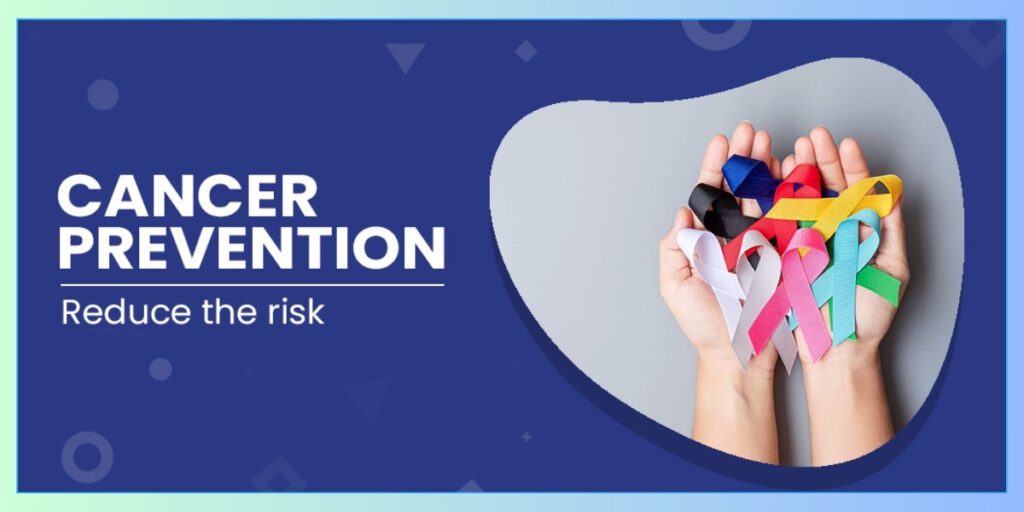
Cancer Prevention: Reducing Your Risk
While not all cancers can be prevented, many lifestyle changes can significantly lower the risk.
Key prevention strategies include:
✔ Avoiding tobacco and smoking
✔ Limiting alcohol
✔ Maintaining a healthy weight
✔ Eating a balanced diet rich in fruits and vegetables
✔ Staying physically active
✔ Protecting skin from sun exposure
✔ Getting vaccinated (e.g., HPV, Hepatitis B)
✔ Reducing exposure to harmful chemicals
✔ Attending regular health screenings
Prevention is one of the most powerful tools in oncology. A healthy lifestyle not only reduces cancer risk but also supports overall well-being.
Emotional Support and Quality of Life
Cancer affects more than just the body — it also impacts mental health, relationships, and daily living. Patients may experience fear, anxiety, depression, or stress during treatment.
Oncology care recognizes this and includes counselling, support groups, nutritional guidance, and rehabilitation programs.
Families and caregivers also play a major role. Their encouragement, understanding, and presence provide emotional strength during treatment and recovery.
Living Beyond Cancer
Thanks to medical advancements, many people now survive cancer and go on to live healthy, meaningful lives.
Follow-up care is important to monitor health, prevent recurrence, and manage side effects. Survivorship programs help patients regain confidence, return to normal routines, and maintain long-term health.
Key Takeaways
✔ Early detection greatly improves treatment success
✔ Oncology care is specialized and comprehensive
✔ Multiple treatment options are available
✔ Prevention through lifestyle choices matters
✔ Emotional and psychological support are essential
✔ Survivorship care helps patients move forward.
FAQs for Oncology:
- What is oncology?
Oncology is the branch of medicine that focuses on diagnosing, treating, and managing cancer. - Why is early detection important in cancer?
Early detection helps find cancer at an early stage, making treatment more effective and improving survival rates. - What are the main treatment options for cancer?
Common treatments include surgery, chemotherapy, radiation therapy, immunotherapy, and targeted therapy. - Can cancer be prevented?
Not always — but healthy habits like avoiding tobacco, exercising, and regular screenings can reduce risk. - Do all cancer patients receive the same treatment?
No. Treatment is personalized based on the type, stage, and health condition of the patient.