

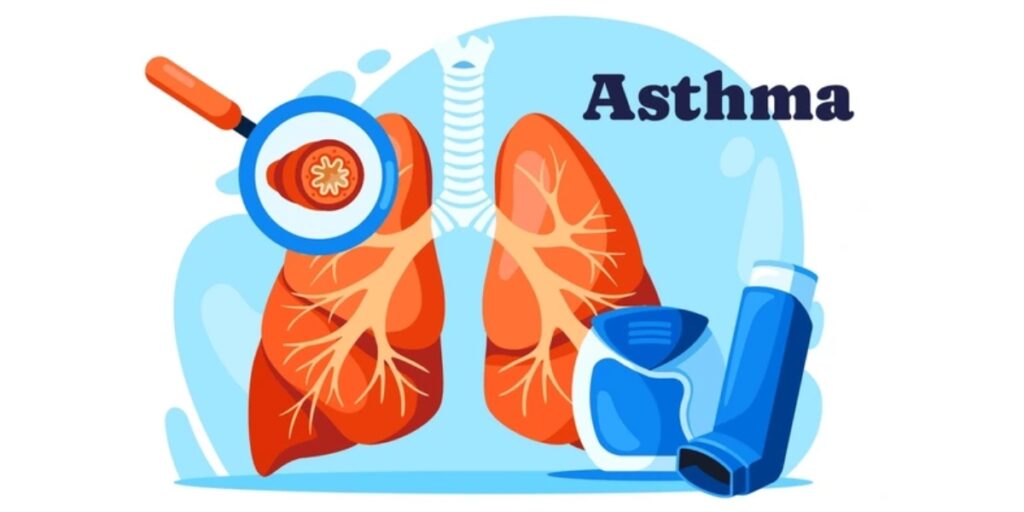
Asthma is a long-term inflammatory condition that affects the airways in the lungs, making it difficult to breathe. It can occur in both children and adults and may range from mild and occasional to severe and persistent.
Breathing trouble often ties back to a lasting irritation inside lung passages – this is what happens with asthma.
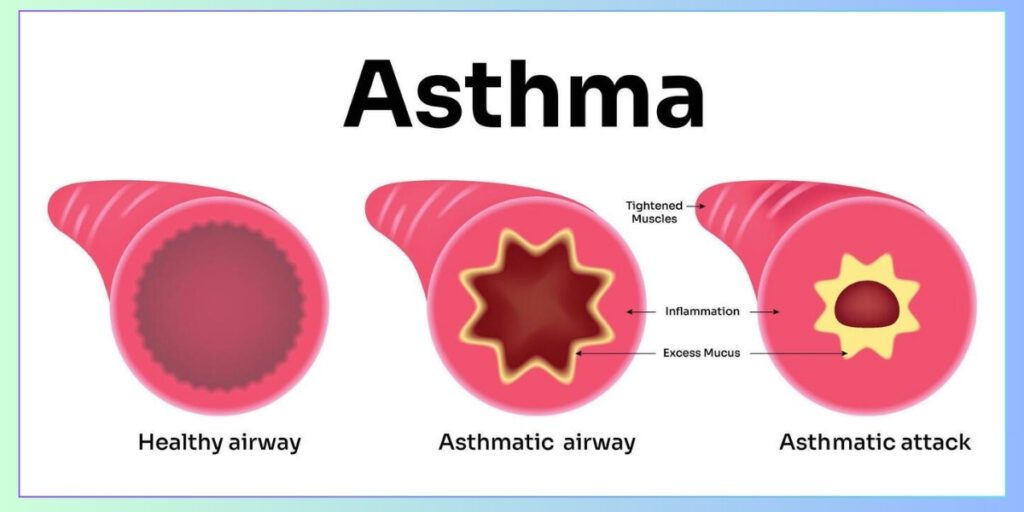
People at any age face it, some now and then, others day after day without relief. Swollen tubes squeeze shut tighter than normal, filling with thick fluid that blocks airflow slowly. That blockage brings sounds like whistling when inhaling, constant throat clearing, pressure across the front of the body, gasping between words.
Medicine helps keep things steady even though no fix wipes it out forever. Watching small shifts before flare-ups grow worse makes a big difference later on down the road.
Early Warning Signs of Asthma
Not every sign of asthma shows up out of nowhere. Often, there are hints the body offers well before an episode kicks in.
Spotting those clues early means steps can be taken to avoid escalation. They might seem mild, even blend in with everyday breathing troubles. Yet noticing them could tilt the balance away from serious worsening.
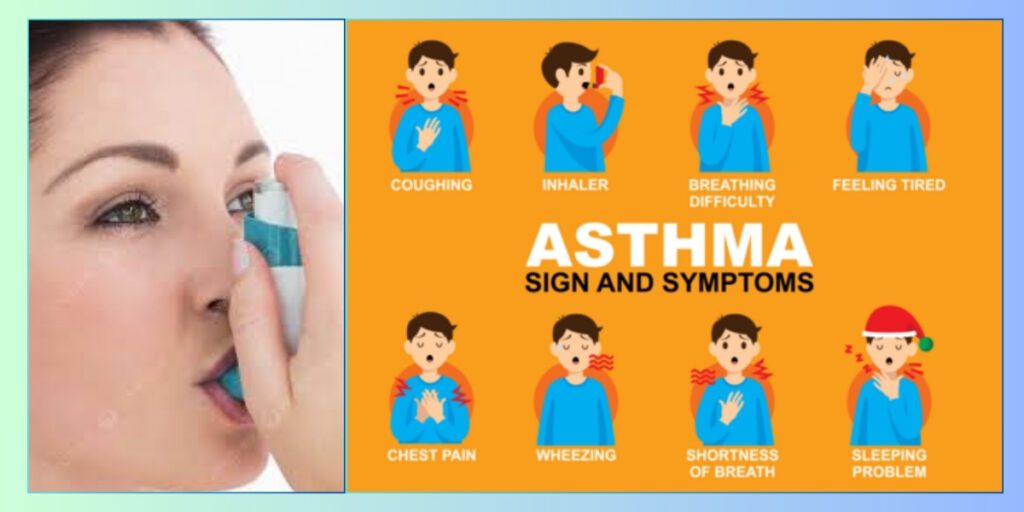
Some of the most common early warning signs include:
- Frequent coughing,
- Shortness of breath or tightness in the chest
- Wheezing
- Fatigue or weakness during physical activities
- Difficulty sleeping due to breathing issues
In children, early signs may include reduced play activity, irritability, or rapid breathing. Parents should be attentive to these symptoms, especially if the child has allergies or frequent colds. Ignoring early signs may allow inflammation to worsen, leading to a severe asthma episode that may require urgent medical care.
Common Triggers That Worsen Asthma
Something sneaks up on breathing when allergies pop into play. Dust, pollen, Mold spores, even animal fur – these slip into airways without warning. Breathing gets harder once fumes from traffic mix inside lungs.
Cigarette smoke acts like a match near dry grass, setting off sudden tightness. When viruses move through the body, coughing and wheezing follow close behind.
Spotting what sets it off changes how days unfold. Staying clear isn’t always possible – but noticing patterns helps slow things down.
Other triggers include:
- Cold air or sudden weather changes
- Stress and strong emotions
- Strong smells, perfumes, or cleaning chemicals
- Exercise without proper warm-up
- Certain foods or preservatives in sensitive individuals
Keeping track of when symptoms occur can help identify personal triggers. Many people benefit from maintaining an asthma diary to record symptoms, activities, and environments that may be linked to flare-ups.
How Asthma Is Diagnosed
Asthma diagnosis usually begins with a detailed medical history and physical examination. Doctors may ask about breathing difficulties, triggers, family history, and allergy background.
Lung function tests such as spirometry help measure how well the lungs are working. In some cases, allergy tests or chest imaging may also be recommended.
Early diagnosis plays a crucial role in controlling the disease before it progresses.
How to Manage Asthma Effectively
Although asthma is a chronic condition, it can be successfully controlled. Proper treatment aims to reduce airway inflammation, prevent attacks, and maintain normal activity levels.
The most common treatment includes inhalers, which deliver medication directly into the lungs.
There are two main types of inhalers: reliever inhalers for quick symptom relief and controller inhalers used daily to prevent inflammation.
Effective asthma management also includes lifestyle choices and environmental control.
Key strategies include:
- Avoiding known triggers whenever possible
- Using prescribed inhalers regularly and correctly
- Monitoring breathing and recognizing early symptoms
- Maintaining a healthy lifestyle with exercise and nutrition
- Scheduling regular medical check-ups
Patients should work closely with their doctor to develop an asthma action plan. This personalized plan explains what to do during stable periods, worsening symptoms, and emergencies. It helps patients respond confidently and reduce panic during an attack.
Living Well with Asthma
Having asthma does not mean you cannot live a normal, active life. With proper management, most people can exercise, travel, and work without limitations.
Maintaining a healthy weight, staying hydrated, and avoiding smoking are essential for lung health.
Regular physical activity strengthens the lungs, although individuals with exercise-induced asthma should take preventive measures such as warming up and using prescribed medication beforehand.
Good indoor air quality is also important. Keeping living spaces clean, reducing dust, using air filters, and ensuring proper ventilation can significantly reduce exposure to triggers. During high-pollution or high-pollen days, limiting outdoor exposure may help.
When to Seek Medical Help
Some asthma symptoms require urgent medical attention. Severe wheezing, difficulty speaking, bluish lips, persistent coughing, or rapid breathing are warning signs of a serious attack.
If symptoms do not improve after using a reliever inhaler, emergency care is necessary. Ignoring these signs may lead to life-threatening complications.
FAQs for Asthma:
- What is asthma?
Asthma is a long-term condition where the airways become inflamed and narrow, causing breathing difficulty, coughing, and wheezing. - What are the common symptoms of asthma?
Common symptoms include shortness of breath, chest tightness, wheezing, and frequent coughing, especially at night or early morning. - What triggers asthma attacks?
Triggers can include dust, pollen, smoke, pollution, infections, weather changes, stress, and exercise in some people. - Can asthma be cured?
Asthma cannot be completely cured, but it can be well controlled with medication and lifestyle management. - When should I see a doctor?
See a doctor if breathing problems are frequent, severe, or worsen suddenly, or if your inhaler doesn’t give enough relief.