

People need to learn about pulmonology, because lung function controls human life, and physical vitality. Our body receives oxygen through the process of breathing, which also works to remove carbon- dioxide from our system.
People who learn to improves breathing tactics along with lung protection strategies will achieve better health outcomes, and enhanced life quality.
Pulmonology is a medical specialty, that deals with diseases involving the respiratory tract. It is also known as respirology., Respiratory medicine in some countries, and areas.
Lung Diseases
Lung diseases can affect the people of all ages, and often develop gradually. Being aware of common problems will help in early detection, and prevention.
Wheezing often shows up when lungs react. Breathing gets tight because tubes swell inside. This trouble doesn’t go away, it sticks around. Air struggles to move freely most times. Some people feel short of breath without warning. Inflamed passages make each breath harder than before.
Respiratory Problems
- Asthma: A chronic condition causing airway inflammation, breathing difficulty.
- COPD: A long-term disease often linked to smoking, causing airflow limitation
- Pneumonia: Lung infection leading to cough, fever, and shortness of breath
- Tuberculosis: A contagious bacterial infection affecting the lungs
- Sleep Apnoea: A disorder where breathing repeatedly stops during sleep.
Signs and Symptoms of Poor Lung Health
Many people ignore early signs of lung problems, assuming they are temporary. However, persistent symptoms should never be over looked.
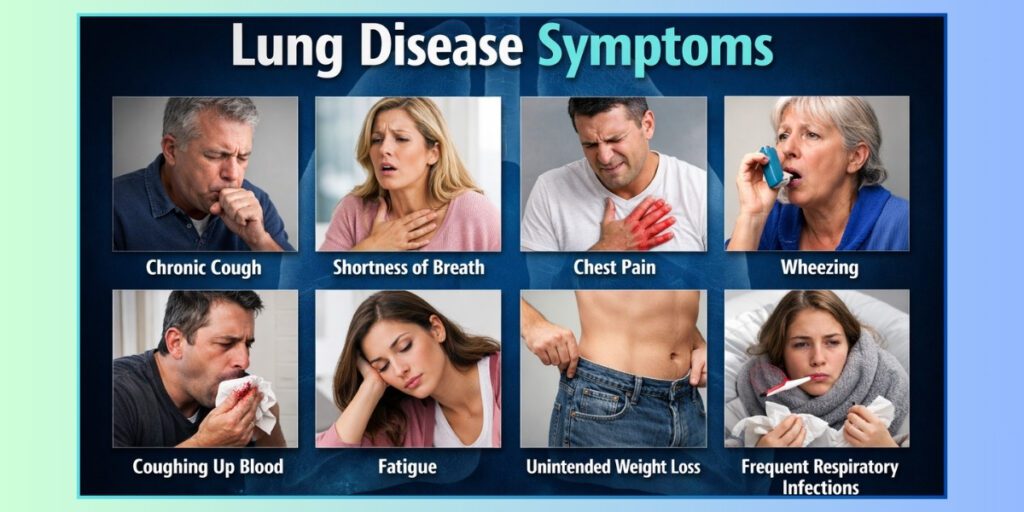
Warning signs lung problems
Coughing a lot might seem normal at first. Yet when it stays around, pay attention. Ignoring what your body shows can backfire later.
- Shortness of breath during daily activities
- Chronic cough lasting more than three weeks
- Wheezing
- chest tightness
- Frequent respiratory infections
- Fatigue and reduced exercise tolerance
How to Protect Your Lungs Naturally
Protecting lung health does not always require complex treatments. Simple daily habits can make a big difference.
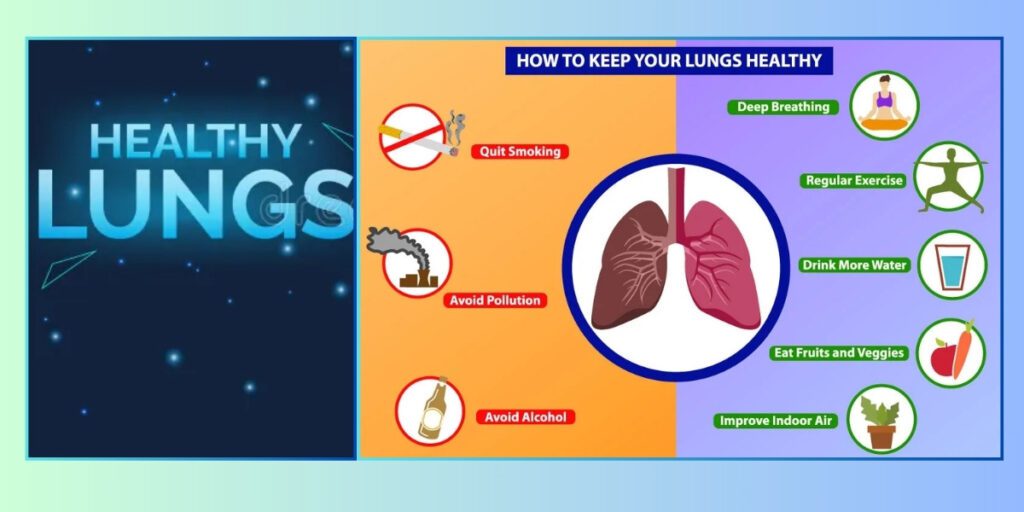
Effective ways to protect your lungs include
- Avoid smoking and second-hand smoke: Smoking damages lung tissues, and reduces oxygen capacity.
- Limit exposure to pollution: Wear masks in polluted places, and avoid outdoor activities during poor air quality.
- Maintain good indoor air quality: Ensure proper ventilation, and reduce dust, Mold, and allergens.
- Stay physically active: Regular exercise improves lung capacity, and breathing efficiency.
- Get vaccinated: Vaccines for flu, and pneumonia reduce the risk of severe lung infections.
Breathing Exercises to Improve Lung Function:
Breathing exercises strengthen lung function. While enabling better oxygen absorption, and decreasing breathing difficulties. The exercises prove particularly beneficial for individuals. who experience breathing problems linked to asthma or COPD, or stress-related conditions.
Breathing Techniques
- Diaphragmatic breathing: This technique leads to deep breathing through diaphragm usage.
- Pursed-lip breathing: The technique helps people breathe at a slower pace while maintaining open airways.
- Deep breathing exercises: The exercises helps people achieve greater lung expansion while they experience full body relaxation.
- Yoga and pranayama: The practices improve respiratory management while helping practitioners to achieve better stress relief.
Role of Nutrition in Lung Health
A balanced diet supports lung function, and boosts immunity against respiratory infections. Certain nutrients help reduce inflammation, and improve oxygen transport.
Foods to Improve Lung health
- Fresh fruits and vegetables rich in antioxidants
- Omega-3 fatty acids found in nuts, and seeds
- Whole grains for sustained energy
- Adequate water intake to keep airways moist
Avoid excessive processed foods, sugary drinks, and unhealthy fats, as they may worsen inflammation, and breathing problems.
Importance of Regular Lung Check-Ups
Getting check-ups regularly can help a doctor catch lung problem, even before one even starts to show symptoms. Pulmonary function tests, chest X-ray, and oxygen level monitoring are useful for assessing lungs.
Successful completion of a chest exam ensures the absence of respiratory system ailments, and the source of cough over the most recent year.
Lifestyle Changes for Better Breathing:
Healthy lifestyle choices play a major role in improving breathing and lung capacity.
Key lifestyle changes include:
- Maintaining a healthy weight to reduce breathing strain
- Practicing good posture to allow full lung expansion
- Managing stress, as anxiety can worsen breathing problems
- Getting adequate sleep to support respiratory recovery
When to See a Pulmonologist
Consult a pulmonologist if you experience persistent breathing issues, frequent chest infections, or unexplained breathlessness. Early specialist care can prevent disease progression and improve long-term outcomes.
Frequently Asked Questions (FAQs):
- What does a pulmonologist treat?
A pulmonologist treats diseases related to the lungs and respiratory system, such as asthma, COPD, pneumonia and sleep apnoea. - How can I improve my lung capacity naturally?
Regular exercise, breathing exercises, avoiding smoking and maintaining a healthy lifestyle can improve lung capacity. - Is shortness of breath always serious?
Occasional breathlessness may be normal, but persistent or worsening shortness of breath requires medical evaluation. - Can air pollution damage lungs permanently?
Long-term exposure to polluted air can cause chronic lung diseases and reduce lung function. - How often should lung health be checked?
People with risk factors should have annual check-ups, while healthy individuals should seek evaluation if symptoms appear.