

People can start cancer prevention efforts, before they get any cancer diagnosis. People can prevent multiple types of cancer by maintaining healthy lifestyles, and doing regular tests, and educational programs which help them understand the disease.
People can lower their cancer risk through warning sign recognition, and proper dietary habits, and healthy lifestyle modifications, which also lead to better health results throughout their lives.
Prevention at its first stage identifies minor bodily alterations, which allows health experts to remove all risk elements, before any disease development takes place.
Cancer Prevention in Early Stages
Early-stage cancer prevention refers to actions taken to reduce the risk of cancer, before symptoms become severe or the disease advances.
Primary prevention methods include tobacco avoidance, and healthy diet maintenance, and secondary prevention methods. The process includes early detection through regular screenings, and self-awareness assessment.
The earlier cancer is detected, the higher the chances of successful treatment, and survival. Many cancers develop slowly over time.
Three factors determine human health outcomes: lifestyle habits, and environmental exposure, and genetic factors. People can manage their health through early signal detection, and preventive decision-making. Which helps them reduce unnecessary health risks.
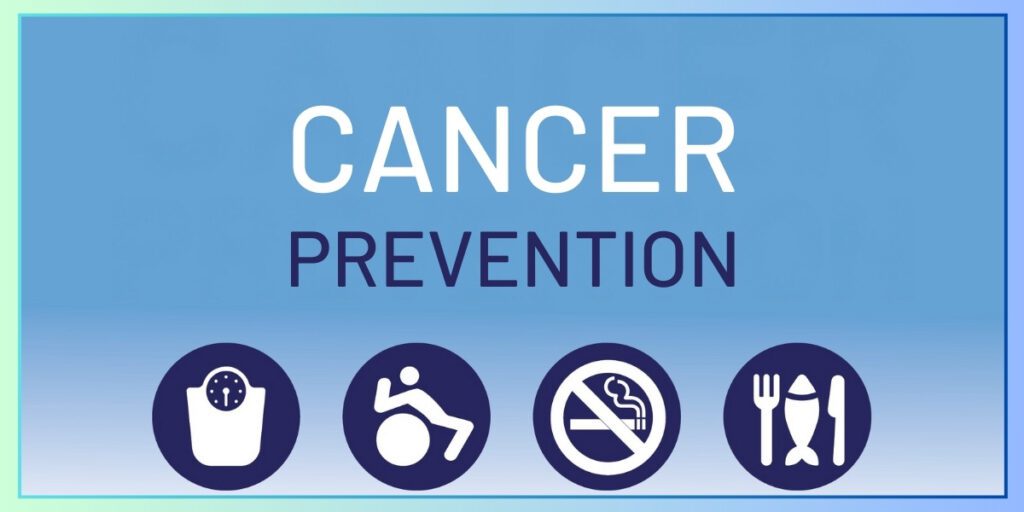
Early Warning Signs of Cancer You Should Not Ignore
The first signs of cancer develop into symptoms, which people do not recognize because these symptoms remain subtle. The body exhibits unusual persistent changes, which people must treat as serious medical conditions.
Warning signs which people detect will enable them to seek medical help at an early stage. Which then allows doctors to treat their condition effectively.
The first signs of danger start with the following symptoms which include
- Unexplained weight loss
- Without changes in diet or activity
- Persistent fatigue that does not improve with rest
- Lumps or swelling in any part of the body
- Changes in skin colour, new moles, or non-healing sores
- Persistent cough
- Hoarseness, or difficulty swallowing
- Changes in bowel or bladder habits
- Unusual bleeding or discharge
- Long-lasting pain without a clear cause
These symptoms do not always indicate cancer, but if they persist for more than two weeks, consulting a healthcare professional is essential.
The Role of Diet in Cancer Prevention
Diet plays a powerful role in cancer prevention. What you eat daily can either support your body’s natural defences or increase inflammation, and cancer risk.
A nutrient-rich diet helps strengthen the immune system, regulate hormones, and protect cells from damage.
Cancer-preventive dietary principles include
- Eating plenty of fruits, and vegetables rich in antioxidants
- Choosing whole grains instead of refined carbohydrates
- Including lean proteins such as legumes, fish, and nuts
- Limiting red, and processed meats
- Reducing sugar, salt, and ultra-processed foods
Foods high in fibre supports digestive health, and reduce the risk of colorectal cancer. Antioxidant-rich foods like berries, leafy greens, tomatoes, and citrus fruits help neutralize free radicals that damage cells.

Foods That Help Lower Cancer Risk
Certain foods contain bioactive compounds known to reduce cancer risk. When consumed regularly as part of a balanced diet.
Protective foods include:
- Cruciferous vegetables
- Garlic, and onions with anti-inflammatory properties
- Turmeric, rich in curcumin
- Green tea containing polyphenols
- Omega-3 fatty acids from fatty fish and seeds
Staying hydrated, and avoiding excessive alcohol intake also contributes to overall cancer prevention.
Lifestyle Habits That Reduce Cancer Risk
Lifestyle choices significantly influence cancer risk. Simple, consistent habits can make a major difference in long-term health.
Key lifestyle tips for cancer prevention:
- Avoid tobacco in all forms, including passive smoking
- Maintain a healthy body weight
- Engage in regular physical activity for at least 30 minutes a day
- Limit alcohol consumption
- Get adequate sleep, and manage stress effectively
Physical activity helps regulate hormones, improves immunity, and reduces inflammation. Even moderate activities such as walking, yoga, or cycling can lower the risk of several cancers.
Importance of Regular Health Screenings
Regular screenings are a vital part of early-stage cancer prevention. Screening tests can detect cancer before symptoms appear, when treatment is most effective.
Common screening practices include:
- Breast examinations, and mammography
- Cervical screening tests
- Colon cancer screening
- Prostate health checks
- Skin examinations
Screening schedules vary by age, gender, family history, and risk factors. Following recommended guidelines and consulting a healthcare provider ensures timely detection.
Managing Environmental, and Occupational Risks
Environmental exposure to carcinogens can increase cancer risk over time. Reducing exposure at home, and work is an important preventive step.
Protective measures include:
- Using protective gear, when exposed to chemicals
- Avoiding prolonged sun exposure and using sunscreen
- Reducing exposure to air pollution, when possible
- Ensuring safe food, and water sources
Awareness of environmental risks helps individuals take proactive steps to protect themselves, and their families.
Mental Well-being and Cancer Prevention
Mental health is often overlooked in cancer prevention. Chronic stress can weaken the immune system, and increase inflammation, making the body more vulnerable to disease.
Practices such as mindfulness, meditation, regular exercise, and maintaining social connections support emotional well-being. A positive mental state encourages healthier choices, and better adherence to preventive habits.
Building a Long-Term Cancer Prevention Plan
Sustainable cancer prevention requires people to establish permanent healthy habits, instead of making extreme lifestyle changes. The development of strong protective abilities occurs through continuous maintenance of minor dietary, and physical activity, and educational improvements.
Healthcare professional collaboration, and personal health monitoring, and ongoing medical knowledge acquisition all serve as essential elements for building successful prevention programs.
Frequently Asked Questions (FAQs)
- Can cancer be completely prevented?
Not all cancers can be prevented, but many can be avoided or detected early through healthy lifestyle choices, and regular screening. - Which lifestyle factor increases cancer risk the most?
Tobacco use is the leading preventable cause of cancer worldwide. - How important is diet in cancer prevention?
Diet plays a major role by reducing inflammation, supporting immunity, and protecting cells from damage. - When should cancer screening start?
Screening should begin based on age, gender, and personal risk factors as advised by a healthcare provider. - Do early warning signs always mean cancer?
No, but persistent or unusual symptoms, should always be evaluated by a medical professional.