

Bone Health Care – The human body relies on bones as its fundamental structural element. Our body structure receives support from bones, which also safeguard essential organs, and enable us to move about without restrictions.
People require strong bones as they form the essential support for our active lifestyle and health. It exists as dynamic living tissue as it undergoes continual transformation.
The body produces more bone during the phases of childhood, and early adulthood because it breaks down existing bone at a slower rate which results in greater bone growth.
People experience bone density loss which begins at the age of 30, and continues throughout their lives.
Why Bone Health is Important?
Its play a vital role in overall well-being. The bones function as body structures, which safeguard vital organs including the heart, and lungs, and brain.
The body stores vital minerals such as calcium, and phosphorus in bones which the body requires for various functions.
People with weak bones face challenges in performing basic tasks which include walking, and lifting and bending.
People need to sustain their bone strength because it serves as a fundamental requirement for achieving lifelong health and maintaining independence.
Common Factors That Affect Bone Health
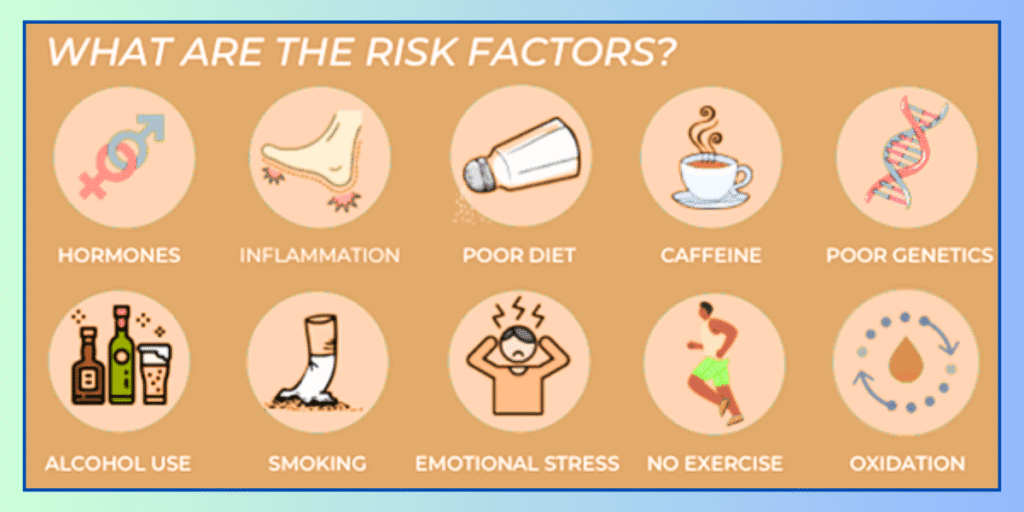
Below factors can help you take better care of your bones
Age
Bone density naturally decreases with age. Older adults are more prone to bone-related problems such as osteoporosis.
Poor Nutrition
A diet lacking calcium, vitamin D, and other essential nutrients can weaken our bones over time.
Lack of Physical Activity
An inactive lifestyle reduces bone strength because bones require regular movement and exercise to stay strong.
Hormonal Changes
Hormonal changes, especially in women after menopause can lead to faster bone loss.
Smoking, and Alcohol
Smoking interferes with bone-building cells, and reduces calcium absorption. Excessive alcohol intake can also weaken bones, and increase the risk of fractures. Avoiding these habits can significantly improve bone health.
Tips to Keep your Bones Strong, and Healthy
Maintaining bone health does not require complicated steps. Simple lifestyle changes can significantly improve bone strength.
Calcium-Rich Diet
Calcium is the most important mineral for bone health. Adults generally need around 1000–1200 mg of calcium per day. Bones help build and maintain strong bones. Include calcium-rich foods in your daily diet such as
- Milk, and dairy products
- Yogurt, and cheese
- Green leafy vegetables
- Almonds
Vitamin D
Vitamin D helps the body absorb calcium effectively. Without sufficient vitamin D, bones may become weak and brittle. Spending 10–20 minutes in sunlight daily can help maintain healthy vitamin D levels.
- Sunlight exposure
- Eggs
- Fatty fish such as salmon, and tuna
- Fortified milk, and cereals
Exercise Regularly
Regular physical activity strengthens bones and muscles. Weight-bearing exercises are especially beneficial for bone health. It helps stimulate bone formation and prevents bone loss.
- Walking
- Jogging
- Strength training
- Yoga
- Dancing
Healthy Body Weight
Being underweight increases the risk of bone loss, and fractures. Excessive weight can strain the joints, and bones. Maintaining a healthy body weight helps support bone strength, and overall health.
Include Protein in Your Diet
Protein is essential for maintaining bone structure. However, balance is important, because extremely low protein intake can weaken bones.
- Eggs
- Lentils and beans
- Fish
- Lean meat
- Nuts and seeds
Prevent Falls, and Injuries – Bone Health Care
The risk of fractures increases as bones become weaker with age. Ensure your home environment is safe, use proper footwear, and maintain good balance through exercise.Read more.
Signs of Weak Bone Health
Sometimes bone problems develop silently without noticeable symptoms. If you notice these symptoms, it is important to consult a healthcare professional for proper evaluation and treatment.
- Persistent back pain
- Loss of height over time
- Poor posture
- Weak grip strength
Bone Health at Different Stages of Life
rChildhood, and Adolescence
This is the most important period for building strong bones. A balanced diet, physical activity, and proper nutrition help achieve peak bone mass.
Adulthood
Adults should focus on maintaining bone density through healthy eating, regular exercise, and avoiding harmful habits.
Older Age
Older adults should pay extra attention to bone health by ensuring adequate calcium and vitamin D intake, regular medical checkups, and fall prevention strategies.
Regular Health Checkups
Regular medical checkups can help detect bone-related problems early. Doctors may recommend bone density tests, especially for older adults or individuals at higher risk of osteoporosis. Early diagnosis allows timely treatment and better management of bone health.Read more.
FAQs About Bone Health Care
- What foods are best for strong bones?
Foods rich in calcium and vitamin D are best for bone health. These include milk, yogurt, cheese, leafy greens, almonds, fish, and fortified cereals. - At what age should I start caring for my bone health?
We should start take care of our bone health effective childhood. This helps reduce the risk of bone diseases later. - How does exercise help bone health?
Exercise strengthens bones by stimulating bone formation and improving muscle strength, balance, and coordination. - Can bone loss be prevented?
Yes. A healthy diet, regular exercise, adequate calcium, proper vitamin D intake, and avoiding smoking can help prevent bone loss. - How much sunlight is needed for vitamin D?
About 10–20 minutes of sunlight exposure daily is enough for the body to produce adequate vitamin D.