


ENT specialists treat ear nose and throat conditions because these parts of the body are essential for everyday activities. The human body uses these organs to hear, breathe, speak, swallow, smell, and maintain balance.
The neglect of ENT health leads to severe complications from minor health issues. The knowledge of prevention methods combined with early diagnosis techniques and appropriate treatment methods is essential for achieving long-term health maintenance.
Understanding ENT Health
The ear handles hearing together with balance functions. The nose serves two functions because it filters air and enables people to breathe and smell. The throat functions as a passageway for both swallowing and speech while it protects the airway.
The interconnected nature of these organs results in infections or disorders from one area infecting the others. People who maintain good ENT health experience better comfort and clearer communication and their daily activities continue without interruptions.
Common ENT Problems
ENT conditions affect people of all age groups and may be temporary or chronic. Many of these problems are caused by infections, allergies, pollution, or lifestyle habits.
Common ENT conditions include:
- Ear infections and hearing loss
- Sinusitis and nasal congestion
- Allergic rhinitis
- Tonsillitis and sore throat
- Voice disorders and hoarseness
- Snoring and sleep-related breathing disorders
Early attention helps prevent complications and long-term damage.
Importance of Early ENT Care
The body experiences multiple health problems when people fail to treat their ENT symptoms. People should pay attention to their symptoms, which include blocked nose, frequent throat pain, ear discomfort, and hearing difficulty.
The first stage of ENT problems requires treatment because it enables doctors to assess the situation and provide better solutions.
Prevention of ENT Disorders
Preventive care plays a key role in avoiding ENT problems. Simple lifestyle changes and hygiene practices can significantly reduce the risk of infections.
Effective preventive measures include:
- Maintaining good hand and respiratory hygiene
- Avoiding smoking, tobacco, and second-hand smoke
- Reducing exposure to dust and air pollution
- Drinking enough water to keep the throat moist
- Managing allergies with proper care
- Avoiding loud noises and using ear protection
- Seeking early treatment for colds and infections
When to See an ENT Specialist
You should consult an ENT specialist if symptoms persist or keep recurring. Delaying medical care may worsen the condition.
Consult an ENT doctor if you experience:
- Persistent ear pain or hearing loss
- Continuous nasal blockage or sinus pain
- Frequent sore throat or voice changes
- Difficulty swallowing or breathing
- Repeated nosebleeds or dizziness
Diagnosis of ENT Conditions
Accurate diagnosis helps in choosing the right treatment. ENT specialists use clinical examinations and tests to identify the root cause.
Common diagnostic methods include:
- Ear examination using otoscopy
- Nasal and throat examination
- Hearing tests such as audiometry
- Imaging tests like X-rays or CT scans
- Allergy testing when required
Treatment Options for ENT Problems
ENT treatment depends on the type and severity of the condition. Many issues can be treated with medication, while some require surgical intervention.
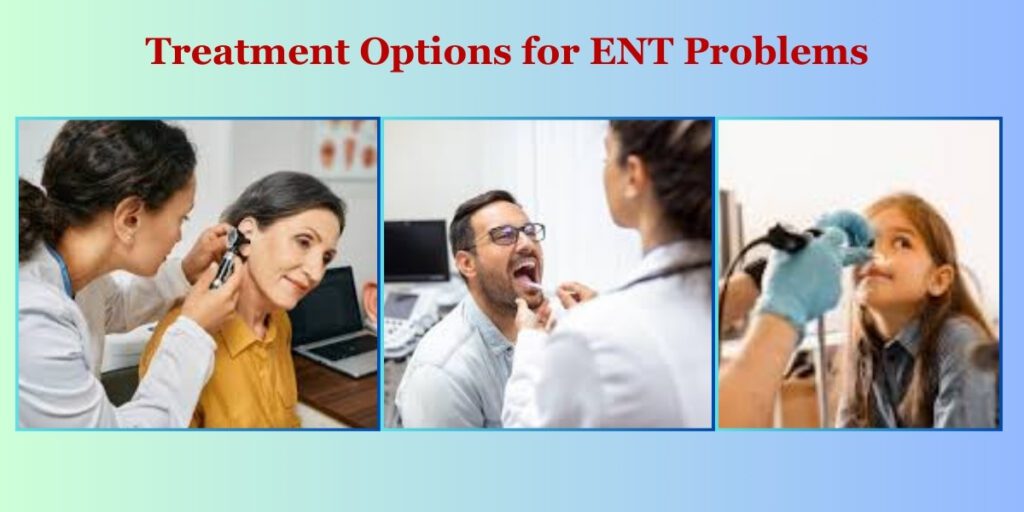
Treatment options include:
- Medications such as antibiotics, antihistamines, and nasal sprays
- Ear drops and pain management therapy
- Voice and speech therapy
- Minor or advanced ENT surgeries for chronic conditions
Modern treatment methods are safe, effective, and often minimally invasive.
ENT Care for Children and Elderly
Ear infections and tonsil problems and nasal allergies affect children at high rates. People need regular assessments to track their hearing and speech development progress.
Elderly people experience three common health issues which include hearing loss and balance difficulties and swallowing problems.
Routine ENT check-ups help maintain independence and quality of life.
FAQs – ENT Health
- What does ENT stand for?
ENT stands for Ear, Nose, and Throat. - When should I visit an ENT doctor?
If symptoms last more than a few days or recur frequently. - Can ENT problems become serious if untreated?
Yes, untreated ENT issues can lead to chronic infections or complications. - How can I prevent ENT infections?
Maintain hygiene, avoid pollution and smoking, and treat colds early. - Are ENT treatments safe?
Yes, most ENT treatments are safe and highly effective. - Do children need regular ENT check-ups?
Yes, especially for hearing, speech, and repeated infections. - Is hearing loss reversible?
Some types are treatable, especially if diagnosed early.