


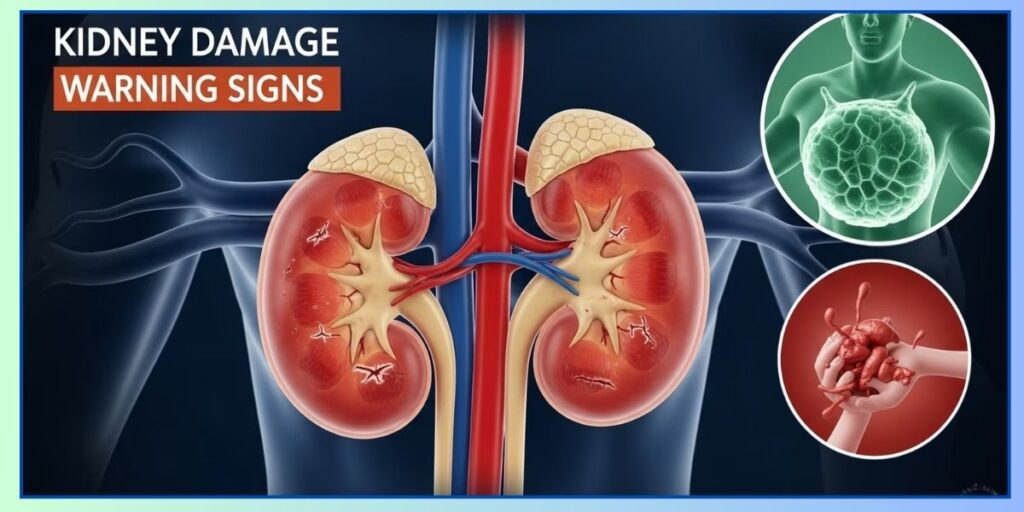
Kidney Failure Symptoms – The kidneys function as essential organs that perform multiple tasks, during their waste removal process, while they maintain proper body fluid levels at optimal points, and control blood pressure during their body health maintenance work.
It occurs, when the kidneys start to lose their ability to function properly.
The medical field considers early detection as vital, because it enables physicians to provide treatment which will both slow disease development, and stop future medical problems from occurring.
The process of recognizing kidney failure early develops, through understanding its initial symptoms, which enable people to obtain medical treatment, before their condition reaches a critical stage.
Kidney Failure
Kidney failure is a serious condition in which the kidneys stop working and can no longer filter waste, and excess fluids from the blood. When this happens, harmful toxins build up in the body and can affect other organs.
Early Signs and Symptoms
Fatigue and Weakness
One of the earliest symptoms of kidney failure is constant tiredness. When kidneys fail to remove toxins from the blood, waste builds up in the body and causes fatigue.
This also reduce the production of red blood cells which makes you feel weak and low on energy.
Swelling
Damaged kidneys cannot remove excess fluid properly. This leads to swelling, especially in the legs, ankles, hands, or around the eyes.
Changes in Urination
- Frequent urination, especially at night
- Reduced urine output
- Foamy or bubbly urine
- Dark or bloody urine
These changes should never be ignored.
Persistent Nausea, and Vomiting
Accumulation of waste products in the bloodstream can cause digestive discomfort, nausea, and vomiting. Loss of appetite is also common in early kidney failure.
Shortness of Breath
Fluid buildup in the lungs or anaemia caused by kidney dysfunction may result in difficulty breathing, even with mild activity.
High Blood Pressure
Kidneys help regulate blood pressure. When they are damaged, blood pressure may rise. Uncontrolled hypertension can further worsen kidney damage resulting in a dangerous cycle.
Skin Demange
Mineral and bone disorders caused by kidney dysfunction can lead to dry, itchy skin due to imbalanced electrolytes.
Muscle Cramps
Electrolyte imbalances, particularly low calcium or high phosphorus levels, can cause frequent muscle cramps.
Who Is at Higher Risk
Certain individuals are more prone to developing kidney failure, If you fall into any of these categories, regular kidney function tests are highly recommended.
- People with diabetes
- Individuals with high blood pressure
- Family history of kidney disease
- Heart disease patients
- Older adults
- Obesity, and unhealthy lifestyle.
Kidney Failure Symptoms - When to See a doctor
Early diagnosis through blood tests, and urine tests can help detect kidney problems when experiencing below,
- Persistent swelling
- Blood in urine
- Severe fatigue
- Continuous nausea
- Uncontrolled high blood pressure
Diagnosis of Early Kidney Failure
These tests help determine kidney function, and the stage of kidney disease.
- Blood tests to measure creatinine levels
- Estimated Glomerular Filtration Rate
- Urine protein tests
- Ultrasound imaging
Treatment Options
- Controlling blood sugar in diabetic patients
- Managing high blood pressure
- Dietary modifications
- Medications to protect kidney function
- Avoiding nephrotoxic drugs
- Dialysis or kidney transplant may require in advanced stages.
Prevention Tips
- Early Awareness and healthy lifestyle
- Drinking adequate water
- Controlling diabetes and blood pressure
- Limiting salt intake
- Avoiding excessive painkillers
- Maintaining a healthy weight
- Exercising regularly
- Quitting smoking
Frequently Asked Questions (FAQs)
- What is the first sign of kidney failure?
Fatigue, swelling and changes in urination are often the earliest signs. - Can kidney failure be reversed?
Early-stage kidney damage can sometimes be slowed or managed, but advanced kidney failure usually cannot be reversed. - How is kidney failure detected?
Through blood tests (creatinine, eGFR) and urine analysis. - Is kidney failure painful?
It is usually not painful in early stages, but symptoms like swelling and discomfort may occur later. - Who should get kidney function tests regularly?
People with diabetes, high blood pressure, or a family history of kidney disease should undergo regular screening.