

Heart disease stands as a major worldwide health problem because people need to learn about its initial symptoms. Heart health requires both treatment of existing conditions, and the early detection of heart problems together with necessary lifestyle modifications, and proper medical treatment.
People who learn to identify heart disease’s initial indicators will gain protection against severe medical problems which include heart attacks and heart failure and stroke.
The article presents crucial warning signs, and risk factors together with preventive measures while responding to frequently asked questions using plain language.
Why Heart Care Is Important
The heart serves as an essential organ which distributes oxygenated blood throughout the human body. Heart function problems lead to adverse effects which decrease both health status, and life quality.
Heart conditions progress at a slow pace because patients experience no visible symptoms during the initial stages. People who neglect their initial symptoms will experience prolonged health problems which will eventually result in dangerous medical situations.
Heart care awareness enables people to recognize health problems at early stages which leads them to seek medical help, and develop healthier lifestyles while they decrease their long-term health risks.
Understanding Heart Disease
Heart disease serves as a general term which encompasses multiple medical conditions that impact both the heart, and blood vessels in the body. The conditions include coronary artery disease heart rhythm disorders heart valve problems heart failure and congenital heart defects.
The most common type is coronary artery disease which occurs when blood vessels supplying the heart become narrowed or blocked due to plaque buildup. The condition results in decreased blood flow to the heart muscle which may trigger chest pain or heart attacks.
Early Warning Signs of Heart Disease You Shouldn’t Ignore
Many early symptoms of heart disease are subtle, and may be mistaken for stress, fatigue, or indigestion. Paying attention to these signs can make a significant difference.
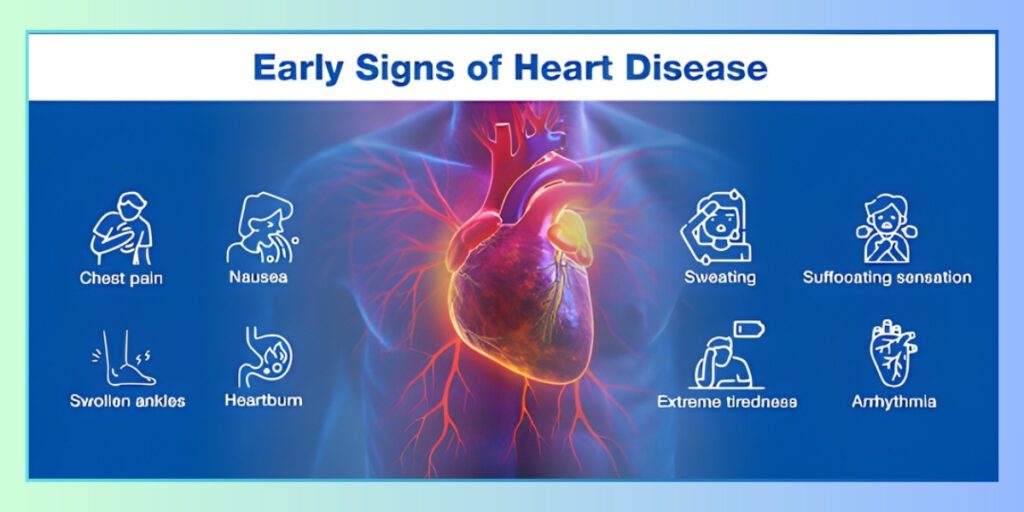
- Chest discomfort or pain: This may feel like pressure, tightness, squeezing, or burning in the chest. It can occur during physical activity or even at rest. Chest pain should never be ignored, especially if it spreads to the arms, neck, jaw, or back.
- Shortness of breath: Difficulty breathing during routine activities or while lying down may indicate the heart is not pumping efficiently. It can occur with or without chest pain.
- Unusual fatigue: Persistent tiredness, even after adequate rest, can be an early sign, especially in women. Feeling exhausted after minimal activity may signal reduced blood flow.
- Irregular heartbeat or palpitations: A fluttering, racing, or skipping heartbeat can be a warning sign of heart rhythm disorders.
- Swelling in legs, ankles, or feet: Fluid buildup in the lower body may indicate heart failure or poor circulation.
- Dizziness or light-headedness: Feeling faint or experiencing sudden dizziness can be related to reduced blood flow to the brain.
- Nausea, indigestion, or sweating: Some people, particularly women, experience these symptoms instead of classic chest pain.
Silent Symptoms to Watch For
Not all heart disease symptoms are obvious. Some people experience silent warning signs that are easy to overlook.
- Mild chest discomfort mistaken for acidity
- Jaw, neck, or shoulder pain without chest pain
- Persistent cough
- wheezing
- Sleep disturbances due to breathing difficulty
Recognizing these signs early can help prevent sudden cardiac events.
Risk Factors That Increase Heart Disease Chances
Certain factors increase the risk of developing heart disease. Some can be controlled, while others cannot.
- High blood pressure damages arteries over time
- High cholesterol levels contribute to plaque buildup
- Diabetes increases the risk of heart complications
- Smoking, and tobacco use harm blood vessels
- Obesity, and physical inactivity strain the heart
- Unhealthy diet high in salt, sugar, and saturated fats
- Family history of heart disease
- Chronic stress, and poor sleep patterns
Understanding your risk factors helps in planning preventive care.
How Lifestyle Choices Affect Heart Health
Daily habits play a major role in heart health. Simple lifestyle changes can significantly reduce the risk of heart disease.
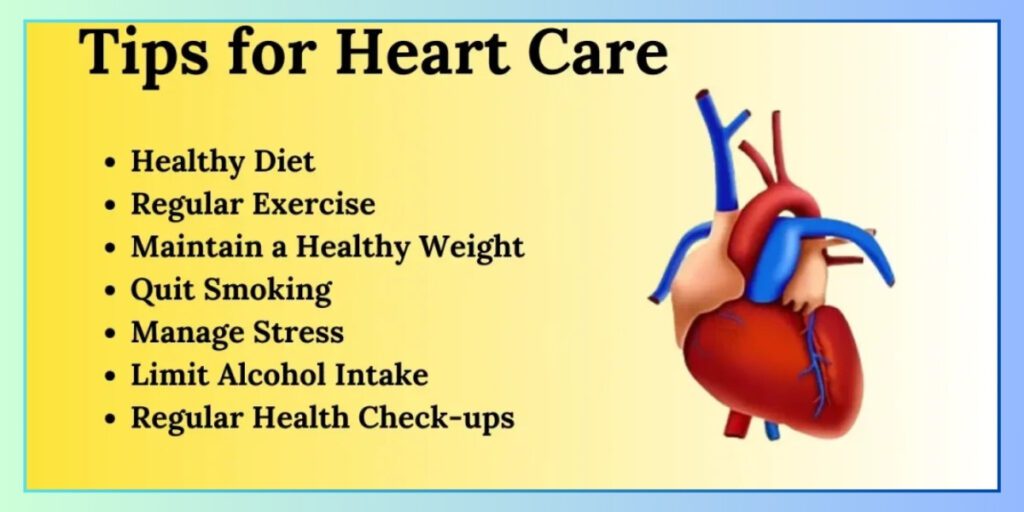
- Eat a balanced diet rich in fruits, vegetables, whole grains, and lean proteins
- Limit salt, sugar, and processed foods
- Engage in regular physical activity such as walking, cycling, or yoga
- Maintain a healthy weight
- Avoid smoking and limit alcohol intake
- Manage stress through relaxation techniques
- Get regular health checkups and screenings
Consistency in these habits supports long-term heart wellness.
When to Seek Medical Help
You need to seek emergency medical care if you have intense chest pain together with abrupt breathing difficulties, and loss of consciousness, and discomfort that extends to your arm and jaw.
You should seek medical advice for any ongoing symptoms which last more than a short time. The detection of a medical condition in its initial stage enables doctors to provide effective treatment which helps patients avoid developing future health issues.
Preventive Heart Care Tips
Prevention is the foundation of heart care. Regular monitoring and healthy habits can keep your heart strong.
- Monitor blood pressure, blood sugar, and cholesterol levels
- Follow prescribed medications if diagnosed with a heart condition
- Attend routine medical checkups
- Stay informed about heart health and warning signs
Frequently Asked Questions (FAQs)
What is the most common early sign of heart disease?
Chest discomfort or pressure is the most common early sign, but symptoms can vary.
Can young people develop heart disease?
Yes, unhealthy lifestyle habits and genetic factors can cause heart disease at a young age.
Are heart disease symptoms different in women?
Yes, women may experience fatigue, nausea, jaw pain, or shortness of breath instead of chest pain.
Can heart disease be prevented?
Many cases can be prevented with healthy lifestyle choices and regular medical checkups.
Is shortness of breath always related to heart problems?
Not always, but persistent or unexplained breathlessness should be evaluated by a doctor.