

The digestive system is an important system in the body. since it is in charge of breaking down food, absorbing nutrients, and throwing out waste.
If any part of the system fails, from the oesophagus to the intestines, liver, pancreas, it may cause a lot of discomfort, nutrient no absorption, and even serious diseases.
Gastroenterology is the field of medicine that is concerned with and deals with the diagnosis and treatment of digestive system disorders.
Making the public awareness of the main digestive disorders, their signs, and the treatments available encourages patients to visit doctors in time and live a healthier life.
Why Gastroenterology Awareness Is Important
Digestive health knowledge matters more than most realize – it shapes how well your body uses food, fights illness, manages weight, and stays energized.
Early diagnosis and correct treatment can avoid complications like chronic pain, malnutrition, infections, or even cancer.
One of the benefits of gastroenterology awareness is that it teaches people to recognise symptoms early, to adopt healthy eating habits and also to visit a doctor when necessary.
Common Digestive Disorders
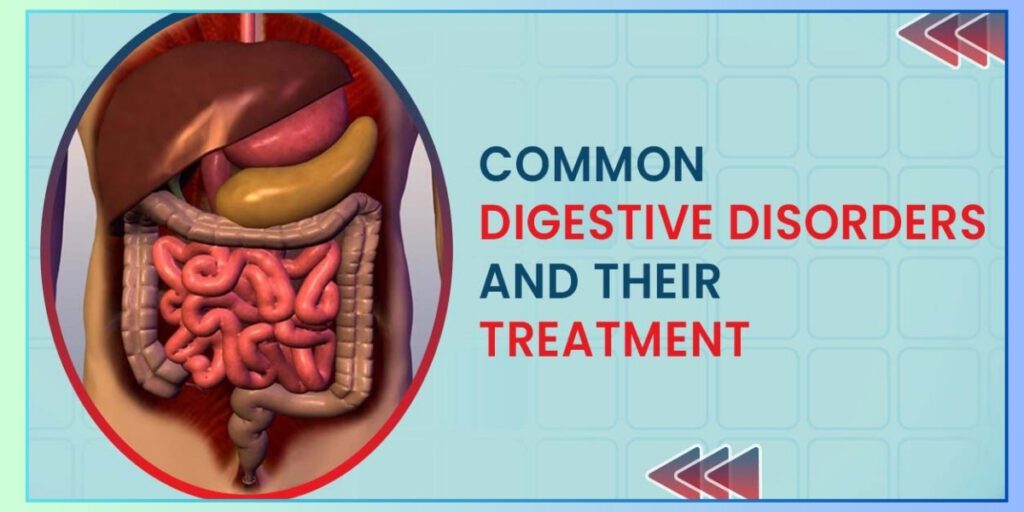
Several digestive disorders affect millions of people worldwide. Some are mild and manageable, while others require long-term medical care.
Acid Reflux and GERD
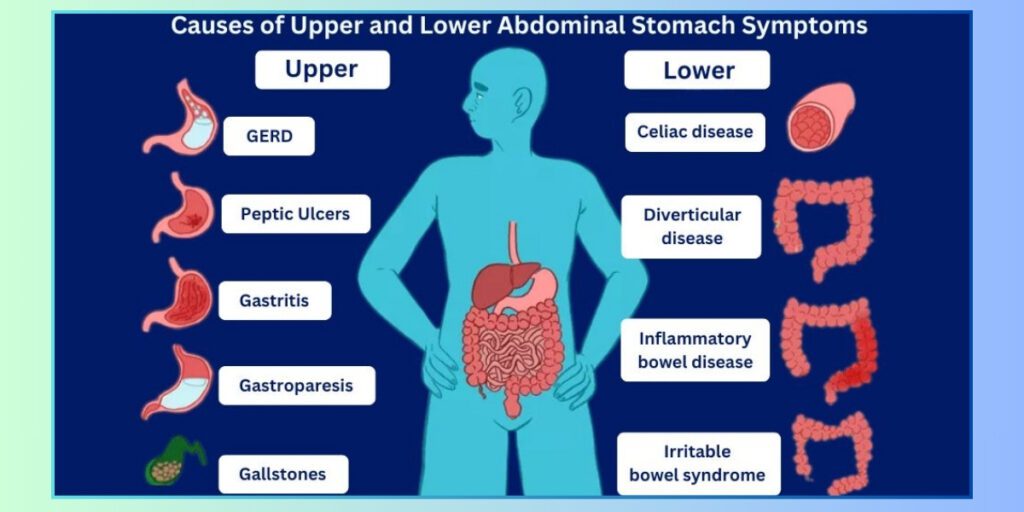
Acid reflux occurs when stomach acid flows back into the exophages, causing a burning sensation in the chest known as heartburn. When this happens frequently, it becomes GERD.
Symptoms include
- Burning sensation in the chest or throat
- Sour or bitter taste in the mouth
- Difficulty swallowing
- Chronic cough or hoarseness
Treatment options
- Lifestyle changes – such as avoiding spicy or fatty foods
- Eating smaller meals
- Medications to reduce stomach acid
- In severe cases, surgery
Irritable Bowel Syndrome
IBS is a common disorder that affects the large intestine. It is a long-term condition but does not cause permanent damage to the intestines.
Symptoms include
- Abdominal pain or cramps
- Bloating and gas
- Diarrheal or constipation
- Mucus in stool
Treatment options
- High-fibre diet
- Stress management
- Medications to control bowel movements and pain
- Probiotics
Peptic Ulcers
Sores can form inside your stomach or the first stretch of the gut beyond it. These usually come from a bug called Helicobacter pylori or sticking with certain pain medicines too long.
Symptoms include
- Burning stomach pain
- Nausea or vomiting
- Bloating
- Loss of appetite
Treatment options
- Antibiotics to treat infection
- Acid-reducing medications
- Avoiding smoking
- Avoiding alcohol
Gallstones
Gallstones are hardened deposits of digestive fluid that form in the gallbladder.
Symptoms include
- Sudden pain in the upper right abdomen
- Nausea or vomiting
- Indigestion
Treatment options
- Medications to dissolve stones
- Surgery to remove the gallbladder
Fatty Liver Disease
This condition occurs when excess fat builds up in the liver. It can be caused by obesity, diabetes, or excessive alcohol use.
Symptoms include:
- Fatigue
- Abdominal discomfort
- Weakness
Treatment options:
- Weight loss
- Healthy diet
- Avoiding alcohol
- Managing diabetes
Inflammatory Bowel Disease
IBD includes conditions like Crohn’s disease and ulcerative colitis, which cause inflammation of the digestive tract.
Symptoms include:
- Severe diarrhoea
- Abdominal pain
- Blood in stool
- Weight loss
Treatment options:
- Anti-inflammatory medications
- Immune system suppressors
- Surgery in severe cases
Common Symptoms of Digestive Disorders
Digestive problems often show similar symptoms, which should not be ignored.
symptoms include:
- Persistent stomach pain
- Frequent heartburn
- Bloating
- gas
- Diarrheal or constipation
- Blood in stool
- Unexplained weight loss
- Nausea and vomiting
If these symptoms last for more than a few days or become severe, medical attention is necessary.
Diagnosis of Digestive Disorders
Doctors use different methods to diagnose digestive problems, depending on symptoms.
Common diagnostic tools include
- Blood tests
- Stool tests
- Endoscopy
- Colonoscopy
- Ultrasound or CT scans
These tests help doctors find infections, inflammation, blockages, or abnormal growths in the digestive tract.
Treatment Options in Gastroenterology
Treatment depends on the type and severity of the disorder.
Common treatments include
- Medications to reduce acid
- control infection, or reduce inflammation
- Dietary changes such as high-fibre or low-fat diets
- Lifestyle changes including regular exercise and stress management
- Surgery for severe or chronic conditions
A gastroenterologist creates a personalized treatment plan for each patient.
Tips for a Healthy Digestive System
Few daily choices make gut care feel lighter. Start morning slow, finish dinner early – small shifts add up quietly.
Important tips include
Filling your plate with fruit, alongside veggies, means you are on the right path. Whole grains show up next to them, doing their part without fuss. Meals work better when colours mix on the dish. Nature gives plenty that fits well together. What grows from soil often stays close to what humans need
- Drink plenty of water
- Avoid excessive oily, spicy, and processed foods
- Exercise regularly
- Avoid smoking
- limit alcohol
- Manage stress
- Do not ignore digestive symptoms
When to See a doctor
You should consult a gastroenterologist if you experience
- Severe or persistent abdominal pain
- Difficulty swallowing
- Blood in stool
- Ongoing diarrhoea or constipation
- Sudden weight loss
Early treatment can prevent serious complications and improve quality of life.
FAQs for Gastroenterology
- What is gastroenterology?
It is the branch of medicine that treats stomach, intestine, liver, and digestive system problems. - What are common digestive disorders?
Acid reflux, IBS, ulcers, fatty liver, gallstones, and constipation are common digestive problems. - When should I see a gastroenterologist?
If you have long-lasting stomach pain, heartburn, bloating, or changes in bowel habits. - What causes acidity and heartburn?
It is caused by excess stomach acid, spicy food, stress, and irregular eating habits. - How can I keep my digestive system healthy?
Eat a balanced diet, drink water, exercise regularly, and avoid junk food and smoking.