

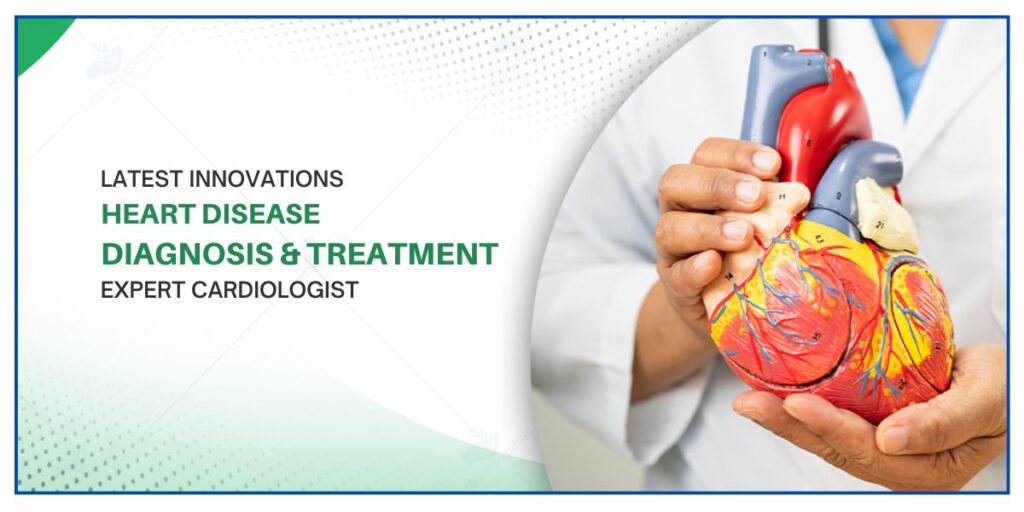
Heart diseases includes multiple disorders, that affect both the heart, and blood vessels of the body. The most common type is coronary artery disease, which can lead to heart attacks.
The term heart disease includes various conditions, which include coronary artery disease, heart failure, arrhythmias, and congenital heart defects.
The combination of early risk factor detection with proper diagnosis, and current treatment methods leads to better survival rates, and improved life quality.
Heart disease remains one of the leading causes of death worldwide, affecting millions of people every year. According to the World Health Organization, cardio vascular diseases account for nearly twenty million deaths annually.
The combination of early risk factor detection with proper diagnosis, and current treatment methods leads to better survival rates, and improved life quality.
Heart disease
Heart disease describes multiple medical conditions, which damage both the structural components, and functional abilities of the heart.
The following conditions make up this medical category which includes
- Coronary artery disease
- Heart failure
- Arrhythmias
- Heart valve diseases
- Congenital heart defects
The most common type of heart disease is coronary artery disease, which develops through plaque accumulation inside the coronary arteries, that leads to decreased blood flow to the heart muscle.
High Blood Pressure
High blood pressure damages arteries, and makes them less elastic, reducing blood, and oxygen flow to the heart.The condition creates a high probability of heart attack, and stroke, when medical professionals do not provide treatment.
High Cholesterol
Levels Excess LDL build-up in artery walls leads to plaque formation, which narrows arteries, and increases blockage risk.
Diabetes
People with diabetes are more likely to develop heart disease, because high blood sugar levels damage blood vessels over time.
Smoking
Smoking damages the lining of arteries, reduces oxygen in the blood, and increases blood pressure, and heart rate. Even passive smoking increases risk.
Obesity
Being overweight increases strain on the heart, and raises the risk of high blood pressure, diabetes, and high cholesterol.
Physical Inactivity
Lack of regular exercise weakens the heart muscle, and contributes to obesity, and poor circulation.
Unhealthy Diet
Diets high in salt, sugar, and saturated fats increase blood pressure, and cholesterol levels.
Family History
If close relatives have had heart disease at an early age, your risk may be higher.
Stress
Chronic stress may increase blood pressure, and lead to unhealthy coping habits like overeating or smoking.
Symptoms of Heart Diseases
Symptoms very depending on the type of heart disease. Common warning signs include
- Chest pain or discomfort
- Shortness of breath
- Fatigue
- Irregular heartbeat
- Swelling in legs, ankles, or feet
- Dizziness or fainting
Women may experience atypical symptoms, such as nausea, back pain, or jaw pain. Early medical evaluation is essential if these symptoms appear.
Diagnosis of Heart Diseases
Early, and accurate diagnosis is crucial to prevent complications. Doctors use a combination of physical examination, medical history, and diagnostic tests.
Blood Tests
Blood tests check cholesterol levels, blood sugar, and specific markers that indicate heart damage.
Electrocardiogram
An ECG records the electrical activity of the heart, and detects irregular rhythms or signs of previous heart attacks.
Echocardiogram
This ultrasound test shows the heart’s structure, and how well it is pumping.
Stress Test
During a stress test, heart activity is monitored, while walking on a treadmill to identify reduced blood flow.
Coronary Angiography
This imaging test uses dye, and X-rays to visualize blockages in coronary arteries.
CT or MRI Scan
Advanced imaging techniques provide detailed images of the heart, and blood vessels.
Treatment Options for Heart Diseases
Medical improvements throughout history have transformed the methods used to treat heart disease. The selection of treatment methods relies on two factors, which include the degree of the condition, and its particular type.
1.Life Style Modifications
The first step in heart disease management requires patients to make lifestyle changes.
The following activities constitute heart healthy eating, and exercise, and smoking cessation, and stress management, and weight control.
The implementation of these changes results in two benefits, which include disease progression reduction, and heart health improvement.
2.Medications
Doctors may prescribe medications such as
- Statins to lower cholesterol
- Beta-blockers to reduce heart workload
- ACE inhibitors to control blood pressure
- Blood thinners to prevent clots
- Diuretics to reduce fluid buildup
- Proper adherence to medication significantly reduces complications.
3.Minimally Invasive Procedure
Modern cardiology uses fewer invasive techniques to treat blocked arteries.
4.Angioplasty and Stent Placement
The procedure uses a small balloon to widen blocked arteries, while a stent maintains artery patency. The treatment helps patients who experience chest pain, because it enhances their ability to circulate blood.
5.Coronary Artery Bypass Surgery
Surgeons perform bypass surgery, during severe blockages to create new blood flow pathways which bypass obstructed arteries. The treatment improves cardiac function, while decreasing the chances of heart attacks.
6.Pacemakers and Implantable Devices
Patients who experience arrhythmias or heart failure need pacemakers, and implantable cardioverter defibrillators to maintain their heart rhythm, while these devices protect them from experiencing unexpected cardiac arrest.
Advanced Heart Failure Treatments
In advanced cases, treatment options may include
- Ventricular assist devices
- Heart transplant in extreme cases
Thanks to advancements in cardiology, survival rates have improved significantly in recent decades.
Prevention Tips for a Healthy Heart
- People should consume greater amounts of fruits, and vegetables together with whole grains.
- People should decrease their consumption of both salt, and sugar.
- People should engage in physical activity that lasts for at least 30 minutes on a daily basis.
- People should refrain from both smoking, and excessive alcohol consumption.
- People should perform regular testing for blood pressure, and cholesterol levels.
- People should sustain their body weight within healthy limits.
- People should undergo health assessments on a regular basis.
Small modifications to daily habits result in significant improvements for maintaining heart health throughout a person’s life.Read more.
FAQs About Heart Disease
- What is the main cause of heart disease?
The most common cause is coronary artery disease, which occurs due to plaque buildup in arteries. - Can heart disease be prevented?
Yes. Healthy lifestyle habits like regular exercise, balanced diet, and avoiding smoking can significantly reduce risk. - Is heart disease hereditary?
Genetics can increase risk, but lifestyle choices play a major role in prevention. - What are early warning signs of a heart attack?
Chest pain, shortness of breath, sweating, nausea, and arm or jaw pain are common early signs. - Can young people develop heart disease?
Yes. Poor lifestyle habits, obesity, stress, and smoking are increasing heart disease cases among younger adults.