

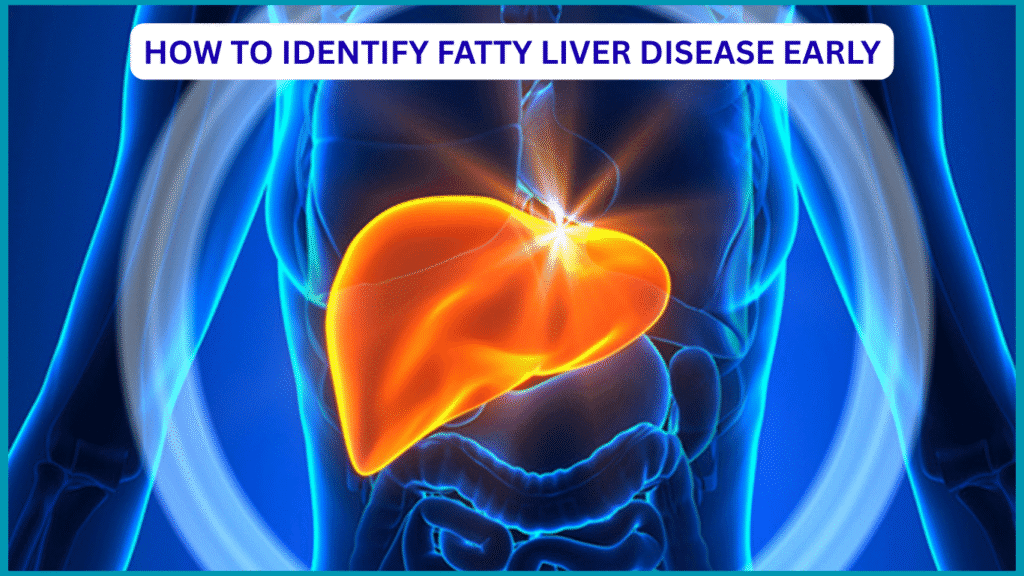
Fatty liver disease, also known as hepatic steatosis, is a growing health concern that affects millions worldwide. It occurs when excess fat accumulates in the liver cells, leading to inflammation and liver damage over time.
The most challenging aspect of this condition is that it often develops silently, showing little to no symptoms in its early stages. Identifying it early can make a significant difference in managing and even reversing the disease.
How Understand the Fatty Liver Disease
There are two main types of fatty liver disease:
- Non-Alcoholic Fatty Liver Disease (NAFLD): Caused by factors such as obesity, poor diet, diabetes, or high cholesterol.
- Alcoholic Fatty Liver Disease: Resulting from excessive alcohol consumption that damages liver cells.
Both conditions can progress to more severe stages like liver inflammation (steatohepatitis), fibrosis, or cirrhosis if not detected and treated early.
Early Signs and Symptoms
In many cases, fatty liver disease does not cause noticeable symptoms. However, you may experience:
- Persistent fatigue or weakness
- Mild pain or discomfort in the upper right side of the abdomen
- Unexplained weight gain or difficulty losing weight
- Loss of appetite or frequent bloating
- Occasional nausea or digestive issues
If you notice any of these symptoms, it’s important to consult a gastroenterologist for proper evaluation.
Common Risk Factors
Certain lifestyle and health factors increase the likelihood of developing fatty liver disease:
- Obesity or overweight
- Type 2 diabetes or insulin resistance
- High cholesterol or triglyceride levels
- Sedentary lifestyle and poor diet
- Excess alcohol consumption
- Family history of liver problems
Being aware of these risk factors helps in taking proactive steps toward liver health.
Diagnostic Tests for Early Detection
Because fatty liver is often symptomless, routine health screenings are vital for early detection. Your doctor may recommend:
- Liver Function Test (LFT): Checks for elevated liver enzymes (ALT, AST).
- Ultrasound Scan: Non-invasive imaging to identify fat accumulation in the liver.
- Fibroscan or MRI: Advanced tests that assess liver stiffness and fat content.
- Blood Tests: To measure blood sugar, lipid profile, and other metabolic indicators.
These tests help determine the severity of the condition and guide further treatment.
When to Consult a Doctor
If you experience persistent tiredness, abdominal discomfort, or have any risk factors mentioned above, it’s best to consult a liver specialist or gastroenterologist. Early medical intervention combined with lifestyle modifications can successfully reverse fatty liver in most cases.
Prevention and Lifestyle Tips
Fatty liver disease is largely preventable and reversible through healthy living:
- Maintain a balanced diet rich in fruits, vegetables, and whole grains.
- Engage in regular physical activity (at least 30 minutes daily).
- Limit alcohol and avoid sugary or processed foods.
- Keep your blood sugar and cholesterol under control.
- Go for regular health check-ups to monitor liver health.
Fatty liver disease may be silent in its early stages, but early detection and timely lifestyle changes can make a huge difference. By paying attention to your body, understanding risk factors, and scheduling regular screenings, you can protect your liver and maintain long-term health.
If you experience symptoms or belong to a high-risk group, visit Jolen Hospital, Sembakkam, for expert Gastroenterology care. Our specialists offer comprehensive diagnosis, lifestyle guidance, and advanced treatment for all liver-related conditions.
📞 Book your consultation today: 73058 55991 | www.jolenhospital.com