

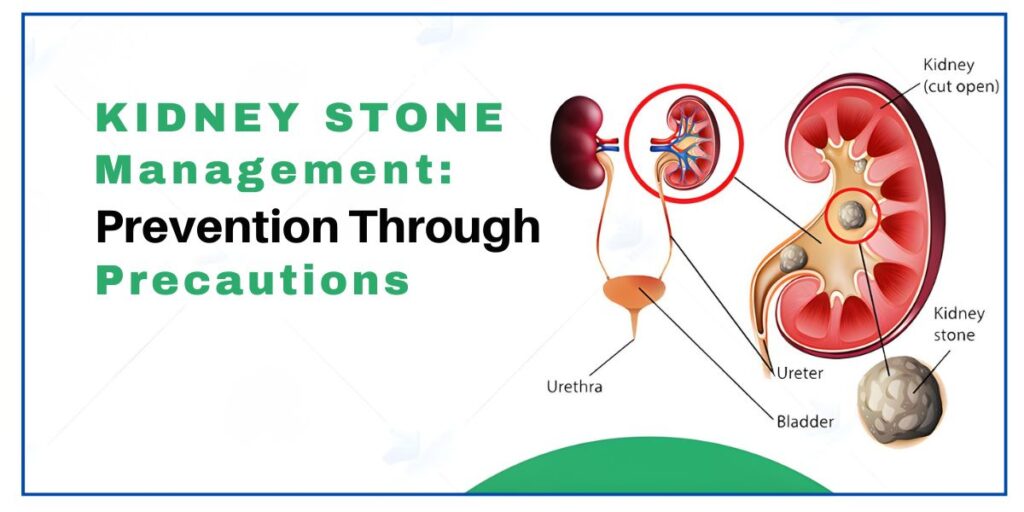
Chronic kidney stones need treatment, because they cause ongoing pain in kidney which disrupts your ability to function normally throughout the day. The condition develops when minerals, and salts in the kidneys build up, and create solid crystal formations.
Proper diet, and lifestyle habits can significantly reduce the chances of recurrence. Even small adjustments our kidney will recover.
Stay Hydrated Throughout the Day
Drinking enough water is the most important step in preventing kidney stones. Proper hydration helps dilute the substances in urine that cause stones.
- Drink at least 2.5–3 litters of water daily
- Increase fluid intake in hot weather
- Include coconut water, lemon water, and soups
- Aim for clear or light-yellow urine
Maintain a Balanced Calcium Intake
Many people think calcium causes stones, but the truth is the opposite. Adequate calcium helps prevent oxalate absorption in the body. Chronic kidney stones – Balanced calcium intake supports both bone, and kidney health.
- Include milk, curd, and paneer in your diet
- Eat natural calcium-rich foods instead of supplements
- Avoid excess calcium supplements without doctor advice
Reduce Salt Consumption
High sodium levels can increase calcium in urine, leading to stone formation. Controlling salt intake is essential. Eating fresh, home-cooked meals can help you manage salt levels easily.
- Limit salt to less than 5 grams per day
- Avoid packaged, and processed foods
- Reduce intake of chips, pickles, and fast food
Limit Oxalate-Rich Foods
Oxalates can bind with calcium, and form stones. Moderation is the key, not complete avoidance. The below balances help prevent oxalate buildup in the kidneys.
- Reduce spinach, beetroot, nuts, and chocolate
- Avoid excessive tea, and coffee
- Combine oxalate foods with calcium-rich foods

Control Animal Protein Intake
Excess animal protein can increase uric acid levels, and promote stone formation. Moderate protein intake supports overall kidney function.
- Limit red meat, chicken, and eggs
- Include plant-based proteins like lentils, and beans
- Follow a balanced protein diet
Avoid Sugary, and Carbonated Drinks
Sugary beverages can increase the risk of kidney stones, and other health problems.
- Avoid soft drinks, and packaged juices
- Reduce sugar intake
- Choose water, buttermilk, or fresh juices
- Healthy drink choices play a major role in prevention
Include Citrate-Rich Foods
Citrate helps prevent stones by binding calcium, and reducing crystal formation.
- Drink lemon water daily
- Include oranges, and citrus fruits
- Add natural citrus juices to your diet
- This simple habit can significantly reduce stone risk
Stay Active, and Maintain Healthy Weight
Being overweight can increase the risk of kidney stones. Physical activity improves overall health. An active lifestyle supports better kidney function.
- Exercise for at least 30 minutes daily
- Try walking, yoga, or cycling
- Maintain a healthy body weight.
Do Not Hold Urine for Long
Holding urine can increase the concentration of minerals, and lead to stone formation. The below simple practices help flush out toxins from the body.
- Urinate regularly
- Do not ignore the urge
- Maintain healthy urinary habits
Regular Health Check-ups
Chronic kidney stones – Regular monitoring is important as early detection can prevent complications, and recurrence.
- Get routine urine and blood tests
- Follow doctor’s advice
- Take medications if prescribed
FAQs (Frequently Asked Questions)
- How much water should I drink daily?
You should drink at least 2.5–3 litters of water per day to prevent kidney stones. - Can kidney stones be prevented completely?
Proper diet and lifestyle can greatly reduce the risk. - Is calcium bad for kidney stones?
No, adequate calcium actually helps prevent stones by reducing oxalate absorption. - Is lemon water effective?
Yes, lemon water contains citrate which helps prevent stone formation. - Should I avoid tea and coffee?
You don’t need to avoid them completely, but limit intake as this may increase oxalate levels.