

Heart risk factors – Your heart works non- stop every second, every day keeping you alive, and active. But what, if your daily habits are silently putting it at risk? Heart disease doesn’t appear overnight.
Most heart risk factors are preventable. It builds slowly through lifestyle choices, hidden conditions, and ignored the cautioning signs.
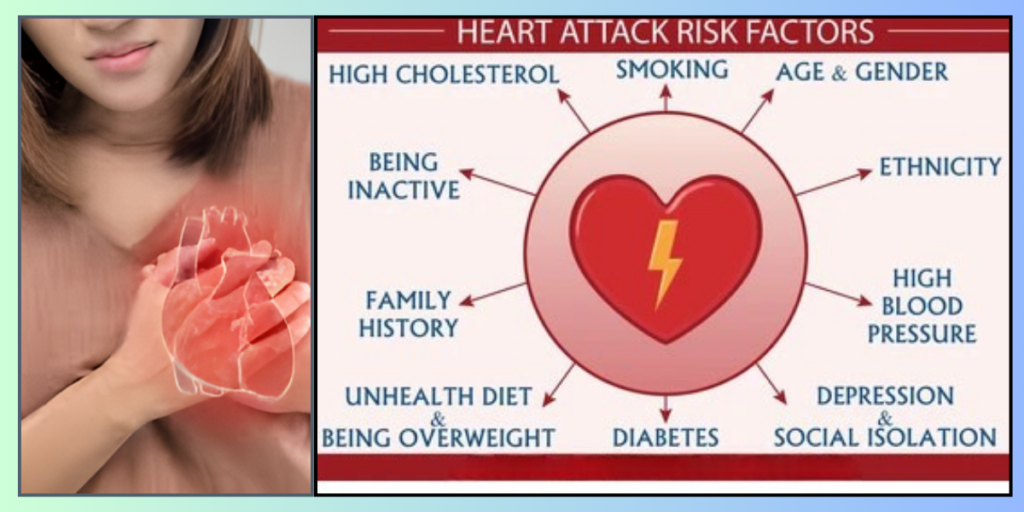
Heart disease risk increases, due to factors like high blood pressure, high cholesterol, smoking, diabetes, obesity, and lack of exercise.
These conditions often develop silently, but can seriously affect your heart over time. This article explains heart risk factors – Understanding them today, can protect your tomorrow.
What Are Heart Risk Factors?
Heart risk factors are conditions or habits, that increase your chances of developing heart disease.
Some factors you can control, while other factors remain beyond your power. You can lower your overall risk by, making healthy choices, even though you cannot change your age or genetic factors.
Major Heart Risk Factors – You should never ignore
High Blood Pressure
High blood pressure – Often called the “silent killer,” high blood pressure damages your blood vessels without obvious symptoms. Over time, it increases the risk of heart attack and stroke.
Prevention for High blood pressure
1. Check your blood pressure regularly
2. Reduce salt intake
3. Exercise daily
4. Manage stress effectively
High Cholesterol Levels
Excess cholesterol – It can build up in your arteries, blocking blood flow to the heart. This condition can lead to serious complications. if left untreated.
Prevention Tip
Avoid fried and processed foods. Include healthy fats, fruits, and vegetables in your diet.
Smoking, and Tobacco Use
The act of smoking creates severe harm to both your heart, and bloodstream system. The substance causes a decrease in oxygen content, while simultaneously raising blood pressure levels, which forces your heart to exert additional effort.
Prevention Tip
Quit smoking immediately. Even reducing tobacco use can improve heart health over time.
Diabetes
People with diabetes are at a higher risk of heart disease. High blood sugar levels can damage blood vessels, and nerves controlling the heart.
Prevention Tip
Monitor blood sugar levels regularly, and follow a balanced diet with controlled sugar intake.
Obesity, and Overweight
Excess body weight puts extra strain on your heart. It is closely linked to high blood pressure, diabetes, and high cholesterol.
Prevention Tip
Maintain a healthy weight through, regular exercise and mindful eating habits.
Physical Inactivity
A sedentary lifestyle weakens the heart and contributes to multiple health issues.
Prevention Tip
Aim for at least 30 minutes of moderate exercise like walking, cycling, or yoga every day.
Unhealthy Diet
A diet high in salt, sugar, and unhealthy fats increases heart disease risk.
Prevention Tip
Choose whole foods, lean proteins, and fibre-rich meals. Limit junk and processed foods.
Stress and Mental Health
Chronic stress can lead to unhealthy habits like overeating, smoking, or lack of sleep all harmful to your heart.
Prevention Tip
Practice relaxation techniques like meditation, deep breathing, or hobbies you enjoy.
Family History, and Genetics
If heart disease runs in your family, your risk may be higher.
Prevention Tip
Be extra cautious with lifestyle choices and go for regular health screenings.
How to Protect Your Heart Daily
Small steps can lead to big changes. Protecting your heart doesn’t require extreme measures—just consistent, healthy habits. It includes
- Eat a balanced, and nutritious diet
- Stay physically active every day
- Maintain a healthy body weight
- Avoid smoking, and limit alcohol
- Manage stress effectively
- Get enough quality sleep
- Go for regular health checkups
- Your heart reflects your lifestyle
- The better you treat your body, the stronger your heart will be.
Warning Signs
Sometimes, your body sends signals before serious heart problems occur. If you experience any of these symptoms, seek medical help immediately. Early action can save lives.
Pay attention to
- Chest pain or discomfort
- Shortness of breath
- Fatigue or weakness
- Irregular heartbeat
- Dizziness or light-headedness
Frequently Asked Questions (FAQs)
- What is the biggest risk factor for heart disease?
High blood pressure is one of the biggest risk factors, as it silently damages blood vessels over time. - Can heart disease be prevented?
Yes, most heart diseases can be prevented through a healthy lifestyle, regular exercise, and routine checkups. - How often should I check my heart health?
It’s recommended to have a health checkup at least once a year, especially if you have risk factors. - Does stress really affect heart health?
Yes, chronic stress can increase blood pressure and lead to unhealthy habits, raising heart disease risk. - What foods are best for heart health?
Fruits, vegetables, whole grains, nuts, and healthy fats like omega-3 are excellent for heart health.