

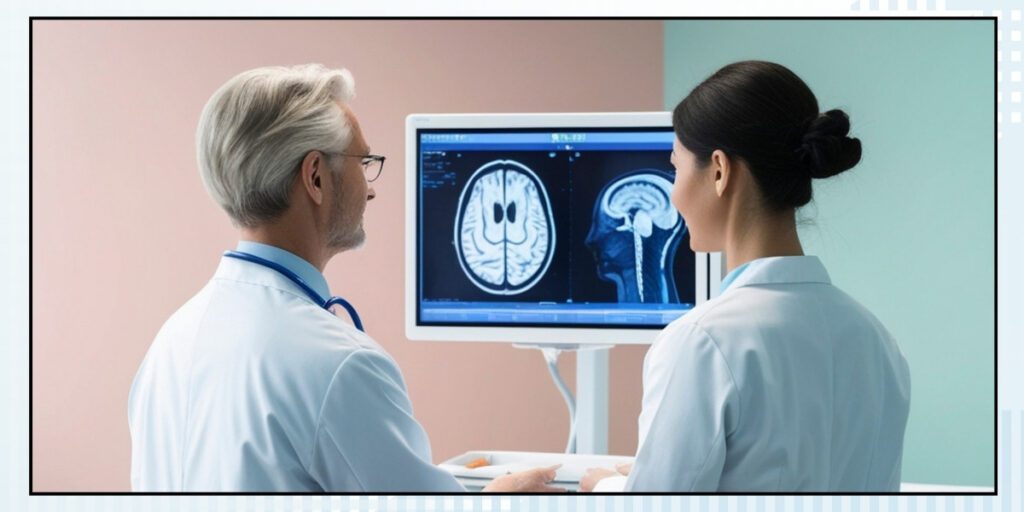
The branch of medicine known as neurology is focused on the brain, segmentation, and nerves. These systems regulate all our activities including thinking, feeling, moving, sensing, breathing, and even the beating of the heart.
When a nervous disorder disrupts the smooth functioning of the mentioned systems, the person may experience various difficulties in his daily life.
The entire process of Neurology involves diagnosing, treating, and managing such conditions to the extent that they do not substantially interrupt the patient’s health and quality of life.
What Is Neurology Care?
Neurology care consists of the evaluation and treatment of the disorders that affect the nervous system.
Neurologists are the highly qualified medical practitioners who carry out the examination of the brain and nervous system functions by doing the clinical evaluations, reviewing the patient’s medical history, and using the various diagnostic tests.
Their objective is the early diagnosis of the disease, symptom control, and complication prevention.
Neurology care is vital since the majority of neurological disorders are insidious and hence can be mistaken for something less serious until they are already in an advanced stage.
The early identification and treatment can be a game-changer when it comes to the patient’s prognosis.
Their target is to ascertain the illness at an early stage, to implement symptom relief, and to carry out the prevention of complications.
The primary components of neurology care are:
- Identifying neurological disorders
- Treatment, both medical and non-medical
- Management and follow-up over a long period
- Support and rehabilitation
- Patient and family teaching.
Frequent Brain and Nerve Disorders
Many neurological disorders are present, the mildest of which are headaches and the most severe are life-threatening diseases. The most frequent are as follows:
Stroke
Stroke is the condition that arises when the blood flow to the brain is either obstructed or a blood vessel bursts, resulting in the death of brain cells due to lack of oxygen within a few minutes. Stroke, therefore, is a medical emergency that needs to be treated immediately.
Epilepsy
Epilepsy causes repeated seizures due to abnormal electrical activity in the brain. Seizures may involve jerking movements, loss of awareness, or confusion.
Migraines and Chronic Headaches
Migraine is a severe headache often accompanied by nausea, vomiting, and light sensitivity. Recurrent headaches may signal an underlying neurological condition.
Parkinson’s Disease
This progressive disorder affects movement and causes tremors, stiffness, and slow motion. It usually develops in older adults.
Multiple Sclerosis
MS damages the protective covering of nerves, disrupting communication between the brain and body. It can cause weakness, numbness, and vision problems.
Peripheral Neuropathy
This occurs when peripheral nerves are damaged, often due to diabetes or vitamin deficiencies. Symptoms include burning, tingling, pain, or numbness in the hands and feet.
Dementia and Alzheimer’s Disease
These disorders affect memory and cognitive function. They progress gradually and require long-term care and support.
Symptoms of Neurological Disorders
Neurological symptoms depend on the area of the nervous system affected. Some symptoms may appear suddenly, while others progress slowly. It is important to seek medical advice if symptoms persist.
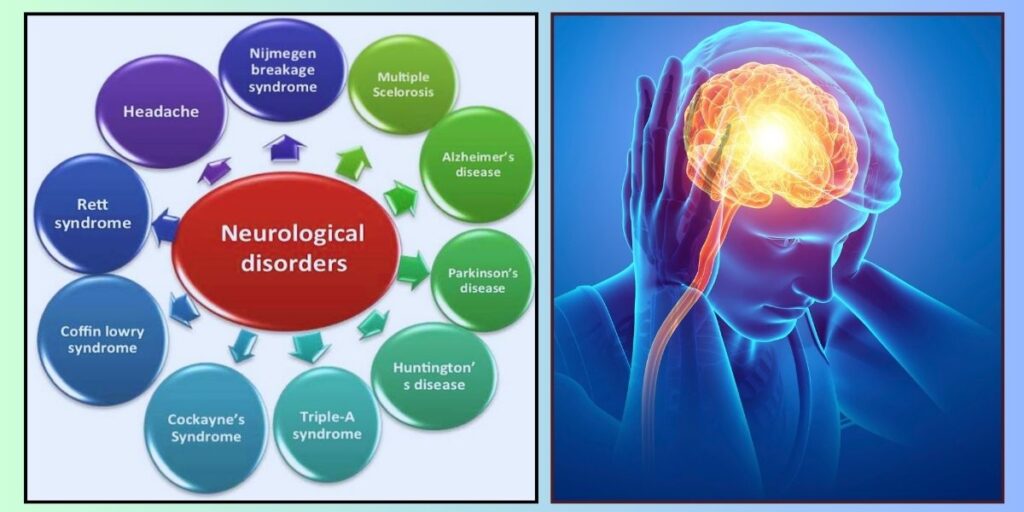
Common neurological symptoms include:
- Persistent or severe headaches
- Numbness or tingling
- Weakness in limbs
- Loss of balance or coordination
- Seizures or fainting
- Memory problems
- Speech difficulty
- Double or blurred vision
- Tremors or stiffness
- Sudden dizziness or paralysis
If symptoms such as facial drooping, slurred speech, or sudden weakness occur, emergency medical attention is required as these may indicate a stroke.
Diagnosis in Neurology Care
Neurologists use a range of diagnostic tools to identify neurological conditions and plan treatment.
Common diagnostic methods include:
- Neurological examination
- Blood investigations
- Brain imaging such as MRI or CT scan
- EEG to measure brain activity
- Nerve conduction studies
- Lumbar puncture (if required)
These tests help doctors understand the cause, severity, and progression of the disorder.
Treatment of Neurological Disorders
Treatment depends on the condition, its stage, and the overall health of the patient. Some disorders can be cured, while others require lifelong management.
Medications
Medicines may help control seizures, reduce inflammation, relieve pain, improve movement, or slow disease progression.
Physical and Occupational Therapy
Rehabilitation helps patients regain strength, mobility, balance, and independence in daily activities.
Lifestyle Changes
Healthy living supports brain health and reduces complications.
Recommended habits include:
- Balanced diet
- Regular exercise
- Stress control
- Adequate sleep
- Avoiding alcohol and smoking.
Surgery
Surgery may be necessary for conditions such as brain tumors, aneurysms, or severe epilepsy.
Psychological and Social Support
Neurological illness can affect emotions and quality of life. Counseling and support groups are often helpful.
Preventive Tips for Brain and Nerve Health
Although not all neurological disorders can be prevented, many lifestyle behaviors support a healthy nervous system.
Prevention tips include:
- Maintain healthy blood pressure and sugar levels
- Eat a nutritious diet rich in fruits, vegetables, and whole grains
- Exercise regularly
- Stay mentally active
- Wear helmets during risky activities
- Avoid smoking and excessive alcohol
- Manage stress
- Get enough sleep
- Attend regular health check-ups
Good overall health means better brain and nerve function.
When Should You See a Neurologist?
You should consult a neurologist if you experience:
- Frequent or severe headaches
- Persistent numbness or weakness
- Tremors or involuntary movements
- Memory decline
- Seizures or fainting spells
- Difficulty walking or balancing
- Speech or vision problems
Early medical attention can prevent complications and improve recovery.
Importance of Neurology Care
Neurology care plays a vital role in improving patient outcomes. It not only treats symptoms but also focuses on rehabilitation, prevention, and long-term management. With advances in medicine and technology, many neurological conditions can now be managed effectively, allowing patients to live meaningful and independent lives.
FAQs on Neurology Care
- What is a neurological disorder?
A neurological disorder affects the brain, spinal cord, or nerves and can cause symptoms like headaches, weakness, memory loss, or seizures. - When should I see a neurologist?
See a neurologist if you have frequent headaches, numbness, weakness, tremors, memory problems, or seizures. Sudden weakness or speech problems need urgent care. - How are neurological disorders diagnosed?
Doctors use medical history, physical exams, and tests like MRI, CT scan, EEG, and blood tests to find the cause. - Can neurological disorders be treated?
Yes. Many conditions can be managed with medicines, therapy, lifestyle changes, or surgery. - How can I keep my brain healthy?
Eat well, exercise, control blood pressure and sugar, avoid smoking, manage stress, sleep well, and protect your head.