

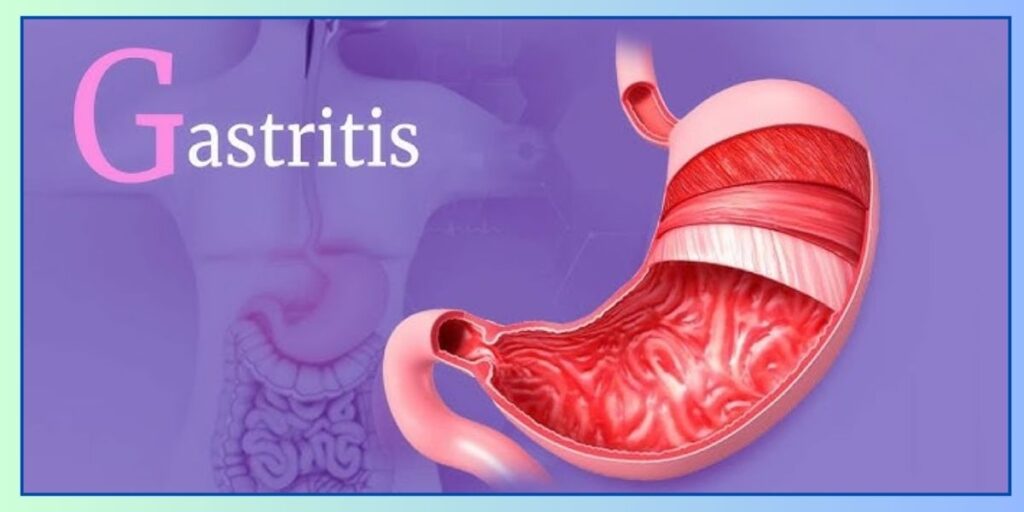
Symptoms of Stomach Problems – Stomach problems are very common, because they can affect people of all ages. Many individuals experience stomach discomfort at some point in their lives due to poor diet, stress, infections.
The stomach functions as a crucial digestive organ, because it processes food into energy, and nutritional components.
The digestive system creates multiple symptoms when it fails to operate correctly which includes pain, and bloating, and nausea and indigestion.
The body will develop more serious health problems, when people choose to disregard their symptoms. The article presents an investigation of stomach problems, which includes common symptoms, and potential causes, and necessary doctor visits.
Symptoms of Stomach Problems
Stomach disorders can present themselves through different symptoms. Some may be mild, while others can be severe, and persistent.
Below are the most common warning signs, you should not ignore.
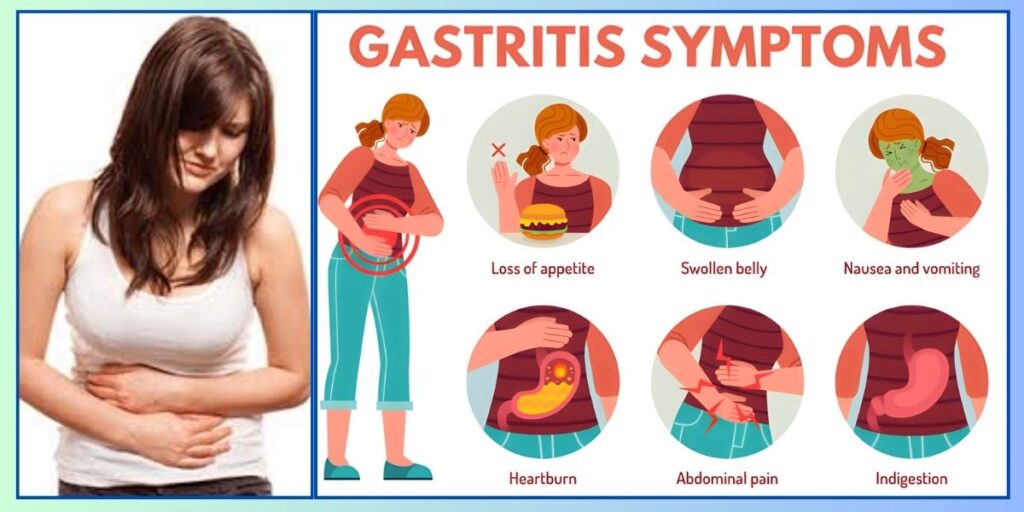
Stomach disorders can present themselves through different.
Persistent Stomach Pain
Stomach pain is one of the most common symptoms of digestive problems. If stomach pain is severe, sudden, or lasts for several days, it is important to consult a doctor.
The pain may occur in the upper abdomen, lower abdomen, or around the navel.
Causes include
- Gastritis
- Peptic ulcers
- Food poisoning
- Appendicitis
- Gallstones.
Bloating, and Excess Gas
Bloating is the feeling of fullness or swelling in the abdomen. It often occurs after eating, and may be accompanied by excessive gas.
Causes of bloating include
- Indigestion
- Overeating
- Irritable bowel syndrome
- Food intolerance
- Constipation
Frequent bloating may indicate a digestive disorder that needs medical evaluation.
Nausea, and Vomiting
Nausea is the feeling of wanting to vomit, while vomiting is the forceful expulsion of stomach contents. If vomiting continues for more than 24 hours or contains blood, medical attention is necessary.
Possible reasons include
- Food poisoning
- Viral infections
- Gastritis
- Acid reflux
- Medication side effects
Heartburn or Acid Reflux
Symptoms of Stomach Problems – Heartburn is a burning sensation in the chest or throat caused by stomach acid moving back into the exophages. Frequent heartburn may be a sign of gastroesophageal reflux disease.
Symptoms may include
- Burning sensation in the chest
- Sour taste in the mouth
- Difficulty swallowing
- Chest discomfort after eating
Loss of Appetite
A sudden decrease in appetite can sometimes indicate stomach problems. Loss of appetite for several days, along with other symptoms should not be ignored.
Possible causes include
- Gastritis
- Stomach infections
- Liver problems
- Peptic ulcers.
Unexplained Weight Loss
Losing weight without trying may be a warning sign of serious digestive disorders. If you experience sudden weight loss, along with stomach discomfort, consult a healthcare professional.
Possible conditions include
- Chronic stomach infections
- Malabsorption disorders
- Stomach ulcers
- Gastrointestinal diseases
Constipation or Diarrhea
Changes in bowel habits can indicate digestive problems. Persistent bowel changes may indicate infections, IBS, or other digestive conditions.
Constipation symptoms
- Difficulty passing stools
- Hard or dry stools
- Fewer bowel movements
Diarrhea symptoms
- Frequent loose stools
- Abdominal cramps
- Dehydration
Blood in Stool
Blood in stool is a serious symptom that should never be ignored. Possible causes include haemorrhoids, ulcers, inflammatory bowel disease, or colon problems. Immediate medical evaluation is recommended.
It may appear as
- Bright red blood
- Dark or black stools
- Blood mixed with stool
Indigestion
Indigestion is a common digestive problem that causes discomfort after eating. Frequent indigestion may be related to gastritis, ulcers, or acid reflux.
Symptoms
- Fullness after meals
- Burning sensation in the stomach
- Burping
- Nausea
Causes of Stomach Problems
Symptoms of Stomach Problems – Stomach problems can occur due to various lifestyle habits, infections, or medical conditions. Maintaining a healthy lifestyle can help prevent many digestive problems.
Causes include
- Poor eating habits
- Spicy or oily foods
- Stress, and anxiety
- Bacterial infections
- Food intolerance
- Excess alcohol consumption
- Smoking
- Certain medications
When Should You See a doctor?
Early diagnosis can help treat stomach problems effectively, and prevent serious complications, while mild stomach discomfort can be managed with home remedies, some symptoms require immediate medical attention.
You should consult a doctor, if you experience
- Severe or persistent stomach pain
- Vomiting blood
- Blood in stool
- Unexplained weight loss
- Persistent nausea or vomiting
- Difficulty swallowing
- Symptoms lasting more than a few days
Tips to Maintain a Healthy Stomach
Maintaining digestive health is essential for overall well-being. Healthy lifestyle habits can significantly reduce the risk of digestive disorders.
- Eat a balanced, and nutritious diet
- Avoid excessive spicy, and oily foods
- Drink plenty of water
- Eat smaller, and frequent meals
- Exercise regularly
- Reduce stress
- Avoid smoking, and alcohol
- Maintain good hygiene while eating.
Frequently Asked Questions (FAQs)
- What are the early signs of stomach problems?
Early signs include stomach pain, bloating, nausea, indigestion, heartburn, and changes in bowel habits. - When should I worry about stomach pain?
You should see a doctor if the pain is severe, persistent, or accompanied by vomiting, fever, or blood in stool. - Can stress cause stomach problems?
Yes. Stress can affect digestion and may cause symptoms like stomach pain, bloating, nausea, and acid reflux. - What foods can trigger stomach problems?
Spicy foods, oily foods, caffeine, alcohol, and processed foods can trigger stomach discomfort in some people. - How can I improve my digestive health?
You can improve digestive health by eating a balanced diet, staying hydrated, exercising regularly, and avoiding unhealthy lifestyle habits. - Are stomach problems always serious?
No. Many stomach problems are mild and temporary. However, persistent or severe symptoms may indicate an underlying medical condition.