

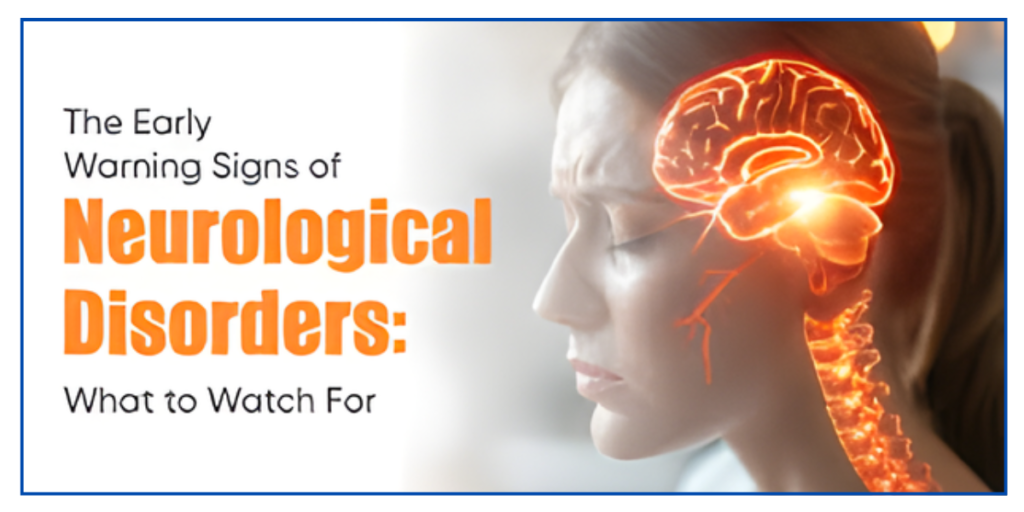
Neurological Disorders are problems in the human nervous system. The human nervous system is one of the complex systems in the body, which controls everything from body movement, speech, memory and emotions.
Neurological disorders if not detected early may affect the brain, spinal cord, nerves, also significantly impact a person’s quality of life. Recognizing Warning signs are crucial because this helps in preventing serious complications.
In this article, we will explore the top ten neurological disorders, and their early symptoms.
Alzheimer's Disease
Alzheimer’s disease is a progressive health condition that affects memory, and cognitive function. It is the most common cause of dementia. These are the warning signs are included
- Frequent memory loss, and especially recent events
- Difficulty in completing known tasks
- Confusion with time or place
- Trouble finding words while speaking
Parkinson's Disease
This disease affects movement due to the loss of dopamine producing neurons in the brain.
Warning signs
- Small tremors in hands or fingers
- Slowed movement
- Muscle toughness
- Changes in handwriting
Epilepsy
Epilepsy is characterized by recurrent seizures caused by abnormal brain activity.
Warning signs
- Temporary confusion
- Staring spells
- Sudden jerking movements
- Loss of awareness or consciousness
Multiple Sclerosis
Multiple sclerosis (MS) is an autoimmune disorder where the immune system attacks the protective covering of nerves.
Warning signs
- Numbness or weakness in limbs
- Vision problems like blurred or double vision
- Tingling sensations
- Fatigue, and dizziness
Migraine
Migraines are severe headaches which often accompanied by other symptoms.
Warning signs
- Throbbing or pulsating headache
- Sensitivity to light and sound
- Nausea or vomiting
- Visual disturbances
Stroke
A stroke occurs when blood flow to the brain is interrupted which leads to brain cell damage.
Warning signs
- Face drooping
- Arm weakness
- Speech difficulty
- Sudden confusion or vision problems.
Brain Tumour
Brain tumours can be benign or malignant, and affect brain function depending on their location.
Warning signs
- Persistent headaches
- Seizures without prior history
- Vision or hearing problems
- Personality or behavioural changes
Amyotrophic Lateral Sclerosis
ALS affects nerve cells responsible for muscle control, leading to progressive weakness.
Warning signs
- Muscle twitching
- Weakness in arms or legs
- Difficulty speaking or swallowing
- Frequent tripping or dropping objects
Peripheral Neuropathy
This condition results from damage to peripheral nerves, often linked to diabetes, or injury.
Warning signs
- Tingling or burning sensation in hands or in feet
- Sharp or stabbing pain
- Muscle weakness
- Sensitivity to touch
Huntington's Disease
A rare inherited condition that causes progressive breakdown of nerve cells in the brain.
Warning signs
- Mood swings or depression
- Difficulty in concentrating
- Involuntary movements
- Problems with coordination
Why Early Detection Matters
The development of neurological disorders occurs through a gradual process, which begins with mild symptoms that people often confuse with stress or aging.
The failure to recognize these signs results in the development of serious medical problems. The identification of a medical condition at an early stage, enables doctors to create treatment plans, and recommend lifestyle changes which will lead to improved results over time.
You should see a neurologist without delay, if you or another person experiences ongoing neurological symptoms.
Tips to Maintain Brain Health
While not all neurological disorders can be prevented, certain lifestyle habits can reduce the risks as follows,
- Maintain a balanced diet rich in omega-3 fatty acids
- Exercise regularly to improve blood circulation
- Get adequate sleep
- Manage stress effectively
- Avoid smoking, and excessive alcohol
- Keep your brain active with reading, puzzles, or learning new skills
FAQs for Neurological disorders
- What are the most common early signs of neurological disorders?
Common signs include memory loss, headaches, dizziness, numbness, difficulty speaking or moving. - When should I see a doctor for neurological symptoms?
If symptoms are persistent, worsening, or sudden change, seek medical attention immediately. - Can neurological disorders be cured?
Some conditions can be managed effectively, but many neurological disorders are chronic and require long-term treatment. - Are neurological disorders hereditary?
Some, like Huntington’s disease, are genetic, while others may be influenced by lifestyle or environmental factors. - How can I reduce my risk of neurological diseases?
Adopting a healthy lifestyle, managing chronic conditions, and regular health check-ups can help reduce risk.