

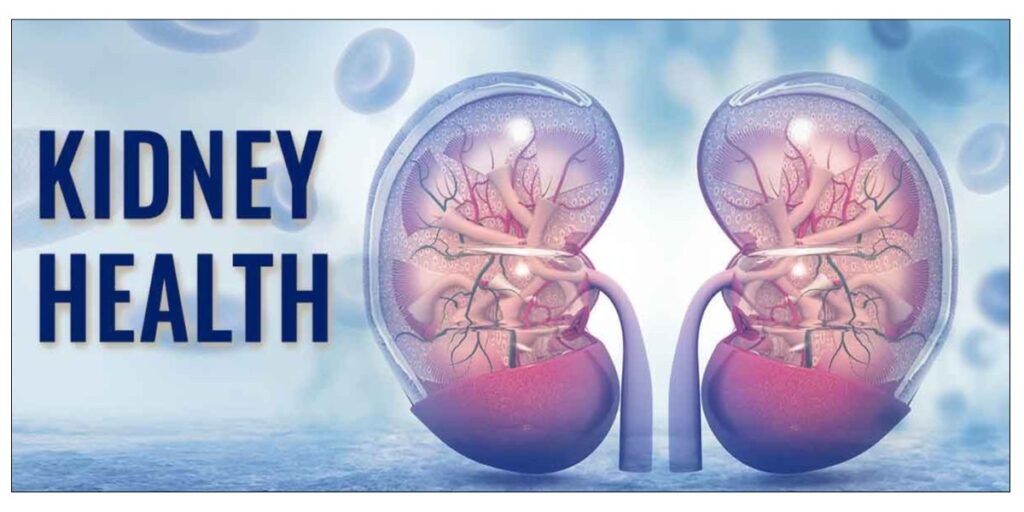
Your kidneys are doing their job day after day without making much noise. They are filtering waste, balancing fluids, and keeping your whole organism working properly.
Since a kidney disease might easily go unnoticed or reach even the latter stages before it shows any signs at all, it’s high time you took preventive measures with your kidneys.
On the whole, these are the five main kidney care tips that will be offered to you straight forwardly and through the use of points, and they will be presented to you in big and clear paragraphs.
Keep Drinking Water - Stay Hydrated
The kidneys are aided by water in their task of removing toxic chemicals and waste from your body. When you consume a sufficient amount of liquids, your urine is diluted, meaning your kidneys are functioning at their best.
- Drink 6–8 glasses of water daily, unless your physician tells you otherwise
- Hot weather or physical activity should cause an increase of water intake
- Sugary or fizzy drinks should be minimized
Drinking plenty of water is not the same as over drinking. Even though it is rare, excessive fluid intake can also be a cause of stress for the kidneys, especially for people suffering from kidney disease.
What you should aim for is to maintain a well-framed hydration that will naturally help the kidneys with the filtering process without overloading them.
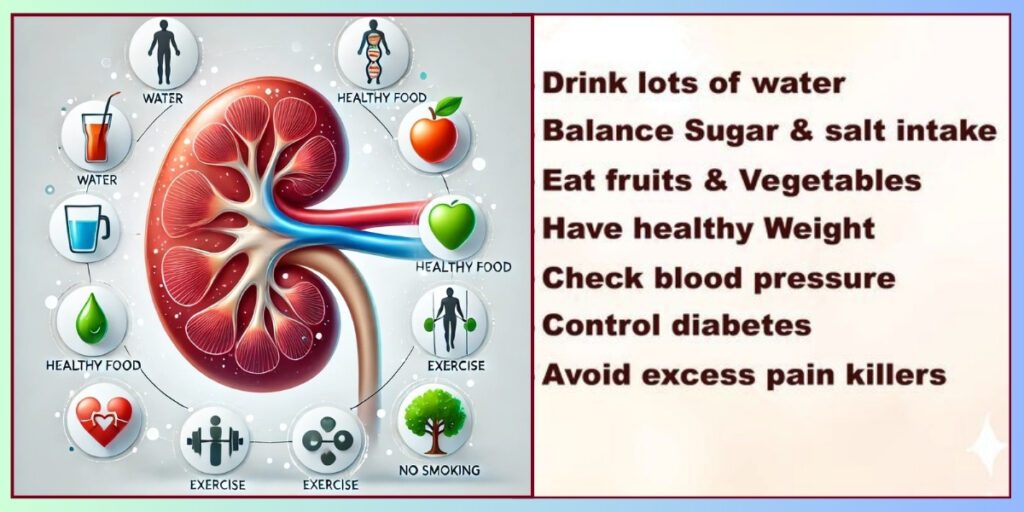
Maintain a Balanced and Kidney - Friendly Diet
What you consume has a more significant impact on your kidney health than you probably understand. Proper nutrition takes care of blood pressure, weight, and metabolic balance all of which are kidneys fortress.
- Limit salt intake to avoid high blood pressure
- Minimize processed and packaged foods
- Increase consumption of fresh fruits, vegetables, and whole grains
- Stay away from large quantities of red meat and fried food
A diet loaded with salt or bad fats can put a lot of pressure on the kidneys. On the other hand, you can have a healthy diet that gives your body energy without putting these essential organs under stress.
Control Your Blood Pressure
Hypertension is one of the leading causes of renal failure. It gradually damages the capillaries in the kidneys, and eventually the organs lose their capacity to remove the body’s wastes.
Try to keep your blood pressure near 120/80 mmHg or as your doctor advises
Cut down on salt Remarkably, engage in physical activities
Refrain from smoking and limit alcohol consumption Regular health checks enable you to observe the changes at an early stage and respond adequately.
Keep Your Blood Sugar Levels in Check
People with diabetes are at greater risk of developing kidney damage. High blood sugar affects the delicate blood vessels in the kidneys.
- Monitor blood glucose regularly
- Follow medical advice and medication schedules
- Maintain a healthy diet
- Exercise daily
Good diabetes control slows or prevents kidney complications.
Maintain a Healthy Weight
Excess body weight makes you more likely to develop diabetes, hypertension, and heart disease — all risk factors for kidney disease.
- Exercise at least 30 minutes per day
- Choose nutritious meals
- Avoid crash diets and unhealthy weight-loss methods
A healthy weight supports better organ function and reduces inflammation in the body.
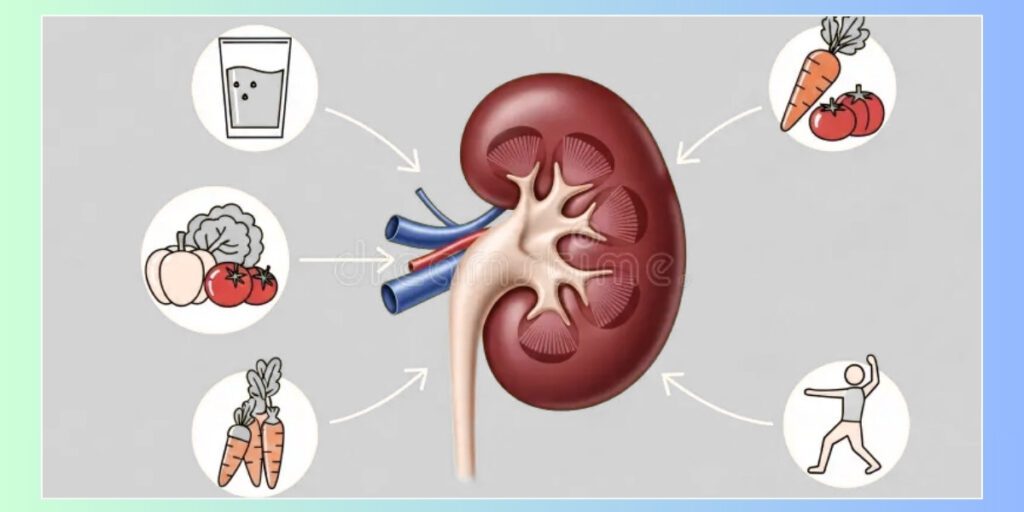
Limit Painkillers and Over-the-Counter Drugs
Frequent or long-term use of painkillers such as NSAIDs (like ibuprofen) can harm the kidneys.
- Avoid self-medication
- Use pain relievers only when necessary
- Always follow dosage guidance
- Consult your doctor if pain persists
Your kidneys process medications — so protecting them means using medicines wisely.
Avoid Smoking and Limit Alcohol
Smoking narrows blood vessels, including those that supply the kidneys. Excessive alcohol also harms kidney tissue.
- Quit smoking if possible
- Reduce alcohol intake
- Seek professional help if needed
Healthier lungs, heart, and kidneys go hand-in-hand.
Exercise Regularly — But Safely
Physical activity boosts circulation, supports metabolism, and improves blood pressure.
- Aim for 150 minutes of moderate activity weekly
- Walk, cycle, swim, or practice yoga
- Avoid overexertion if you have kidney disease
Consistent, moderate exercise is better than intense workouts done occasionally
Get Regular Kidney Function Check-Ups
Early detection prevents serious complications. Simple blood and urine tests can help identify kidney issues.
- Test kidney function if you have diabetes, hypertension, or family history
- Monitor protein levels in urine
- Follow medical recommendations
Early treatment helps protect remaining kidney function.
Reduce Stress and Prioritise Sleep
Stress hormones can indirectly affect blood pressure and heart health, which then impact the kidneys.
- Sleep 7–8 hours daily
- Practice relaxation techniques
- Maintain work–life balance
A calm mind supports a healthy body.
Be Mindful of Protein Intake
While protein is essential, too much can stress your kidneys — especially if kidney function is already reduced.
- Avoid very high-protein fad diets
- Balance plant and animal protein
- Follow dietician guidance if you have kidney issues
Moderation keeps your kidneys comfortable.
Avoid Dehydration During Illness
Vomiting, diarrhoea, and fever can cause dehydration that harms the kidneys.
- Drink fluids in small, frequent amounts
- Consult a doctor if illness persists
- Monitor urine colour — dark urine means dehydration
Proper hydration supports quicker recovery.
FAQs on Kidney Care
- How much water should I drink?
About 6–8 glasses a day.
Ask your doctor if you have kidney or heart problems. - What are early signs of kidney problems?
Swelling, tiredness, and urine changes.
Get checked if symptoms persist. - Who is at higher risk?
People with diabetes or high BP.
Family history, obesity, and smoking also increase risk. - Can kidney disease be prevented?
Yes, with healthy habits and regular check-ups.
Stay hydrated and control BP and sugar. - How often should I test my kidney health?
Once a year if healthy.
More often if you have risk factors.