


Sugar Level Management – Diabetes is a chronic health condition, that affects lots of people worldwide. When blood sugar levels stay dependably high, they can harm blood vessels, nerves, organs, and other parts of the body over time.
In long run, that kind of stress adds up. The good news is that with the right lifestyle routines, and the right medical care, people living with diabetes, can manage their sugar levels quite well, and still enjoy healthy active days.
This article briefly explained, the best sugar level management strategies, can help prevent complications, and improve long term well-being.
Why Blood Sugar Control is Important?
- Constant blood sugar control, can significantly improve quality of life, and reduce healthcare costs associated with diabetes management
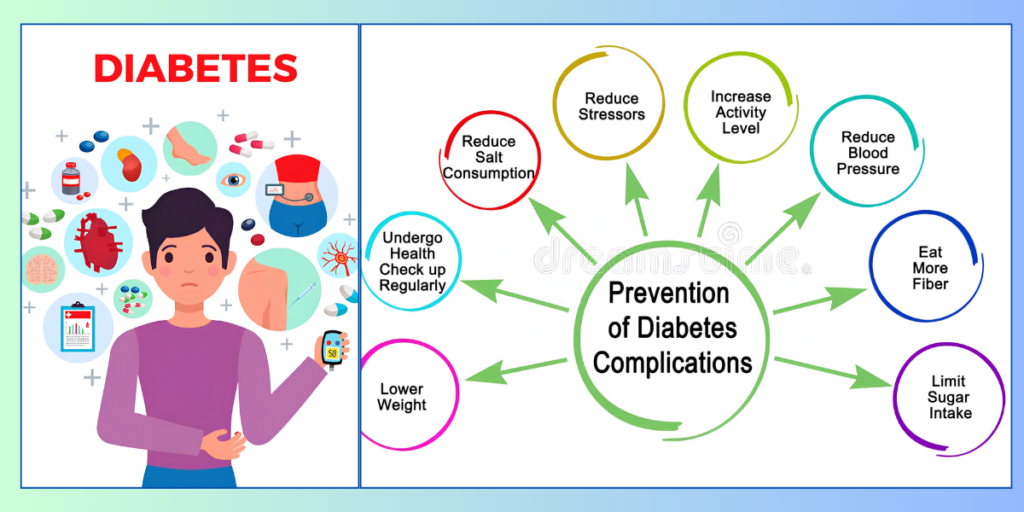
- Maintaining healthy blood sugar levels helps, reduce the risk of diabetes related complications
It includes,
- Heart disease, and Stroke
- Kidney disease
- Nerve damage
- Vision problems
- Foot complications
- Delayed wound healing
Follow a Healthy, and Balanced diet
It is a one of the most effective ways to manage blood sugar levels is by, making smart food choices. A balanced diet helps the regulate glucose levels, and provides the body with essential nutrients.
Focus on High-Fiber foods
Fiber slows down the absorption of sugar into the blood stream, and helps maintain stable glucose levels.
These are the good sources of fibre,
- Whole grains
- Vegetables
- Fruits
- Beans, and legumes
- Nuts, and seeds
Healthy Carbohydrates
Not all carbohydrates, affect blood sugar in the same way. Complex carbohydrates digest more slowly, and provide steady energy.
- Brown rice
- Oats
- Whole wheat products
- Millets
- Sweet potatoes
Limit Sugary Foods, and Drinks
Reducing the intake of sugary beverages, sweets, and processed snacks can help prevent sudden spikes in blood sugar levels.
Monitor Blood Sugar Regularly
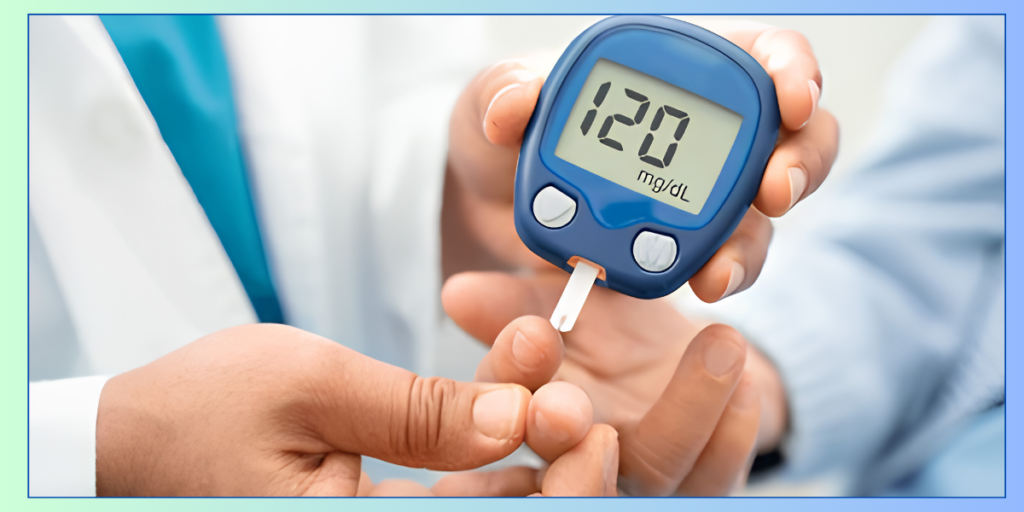
Regular blood sugar monitoring helps individuals, understand how food, exercise, stress, and medications affect glucose levels.
These are the benefits of regular monitoring
- Early detection of abnormal sugar levels
- Better treatment adjustments
- Improved diabetes management
- Reduced risk of problems
Stay Physically Active
Exercise is one of the most powerful tools for managing diabetes. Even simple activities, such as climbing stairs, or gardening can contribute to better blood sugar control.
Physical activity helps the body use insulin more effectively, and lowers blood sugar levels.
- Walking
- Cycling
- Swimming
- Yoga
- Strength training
- Aim for at least 30 minutes of moderate exercise on most days of the week.
Maintain a Healthy Weight
Excess body weight, can increase insulin resistance, making it harder for the body to regulate blood sugar levels.
Benefits include,
- Improved insulin sensitivity
- Better blood sugar control
- Reduced blood pressure
- Lower cholesterol levels
- Decreased risk of heart disease
Take Medications as Prescribed
Many people with diabetes require, medications or insulin to help control blood sugar levels. Proper medication management plays an important role in preventing long-term complications.
- Never skip doses
- Take medications on time
- Inform your doctor about side effects
- Attend regular follow-up appointments
Stay Hydrated
Drinking enough water helps the kidneys remove excess sugar through urine, and supports overall body function.
Benefits include,
- Supports healthy circulation
- Prevents dehydration
- Assists kidney function
- Helps regulate blood sugar levels
- Water should be the preferred beverage choice over sugary drinks
Manage Stress Effectively
Stress, can cause blood sugar levels to rise, due to the release of certain hormones. Chronic stress, may make diabetes management more difficult.
Effective stress reduction techniques include
- Meditation
- Deep breathing exercises
- Yoga
- Listening to music
- Spending time with loved ones
Managing stress contributes to both physical, and emotional health.
Prioritize Quality Sleep
Poor sleep can negatively affect blood sugar regulation, and insulin sensitivity.
These are the healthy sleep habits
- Sleeping 7 to 9 hours per night
- Maintaining a regular sleep schedule
- Avoiding heavy meals before bedtime
- Limiting screen time at night
Good sleep supports better diabetes control, and overall well-being.
Schedule Regular health checkups
Routine medical evaluations help detect complications early, and ensure diabetes remains under control.
Important checkups include
- Blood sugar testing
- HbA1c monitoring
- Eye examinations
- Kidney function tests
- Foot examinations
- Blood pressure checks
Regular screenings allow healthcare providers to identify problems, before they become serious.
Protect Your Heart Health
People with diabetes are at a higher risk of heart disease. Managing cardiovascular health is an important part of diabetes care.
Heart healthy habits include
- Controlling blood pressure
- Managing cholesterol levels
- Avoiding smoking
- Staying active
- Healthy diet
These measures help reduce the risk of heart attacks, and strokes.
Foot Care Is Essential
Diabetes can cause nerve damage, and reduced blood flow to the feet, increasing the risk of infections, and ulcers.
Daily foot care tips include
- Inspect feet regularly
- Keep feet clean, and dry
- Wear comfortable footwear
- Avoid walking barefoot
- Seek medical attention for wounds or cuts
Early care can prevent serious complications.
FAQs about Prevent Diabetes Complications
- What is the ideal blood sugar level for people with diabetes?
Target blood sugar levels vary by individual, but healthcare providers generally recommend maintaining levels within a healthy range based on age, health status, and treatment goals. - Can exercise lower blood sugar levels?
Yes. Physical activity helps the body use insulin more effectively, and can lower blood sugar levels naturally. - How often should blood sugar be checked?
The frequency depends on your treatment plan. Your doctor will recommend a monitoring schedule based on your condition. - Why is HbA1c testing important?
HbA1c provides an average of blood sugar levels over the past two to three months, and helps evaluate long-term diabetes control. - Can diabetes complications be prevented?
Yes. Good blood sugar management, healthy lifestyle habits, and regular medical checkups can significantly reduce the risk of complications.