

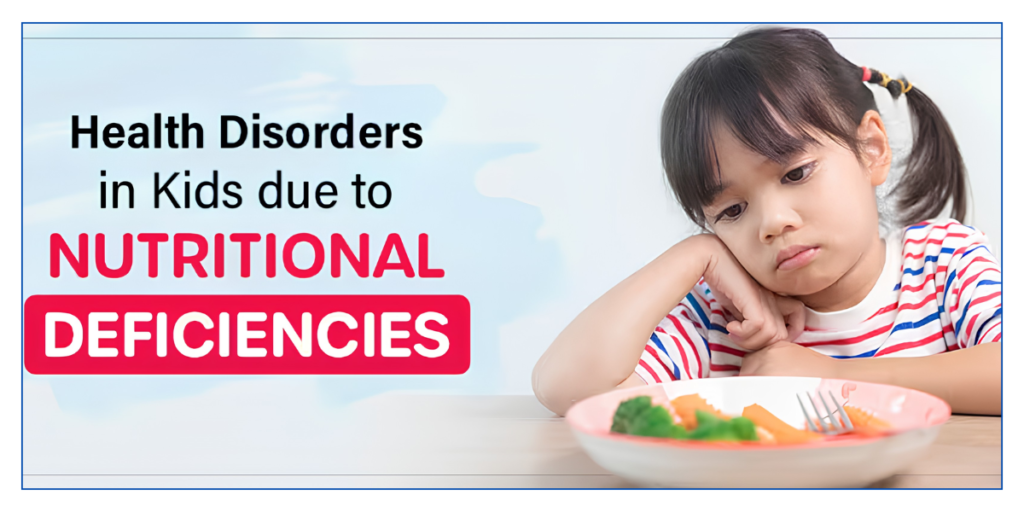
Child Nutrition Problems – Childhood is a vital stage of growth, and development. During these early years, children need proper nutrition to support their physical growth, brain development, immunity, and overall well-being
Parents, caregivers play a vital role in ensuring children receive balanced nutrition. This article briefly helps in understanding the causes, symptoms, and solutions for nutrition problems. This can help children grow healthier, and achieve their full potential.
Why Good Nutrition Is Important for Children?
Nutrition provides the energy, and nutrients. Children need to grow, learn, play, and stay healthy. Children, who receive the proper nutrition’s are more likely to achieve their developmental milestones, and maintain the good health throughout life.
A balanced diet supports as follows,
- Healthy physical growth
- Strong bones, and muscles
- Brain development
- Healthy immune function
- Better concentration, and learning abilities
- Improved emotional well-being
Child Nutrition Problems
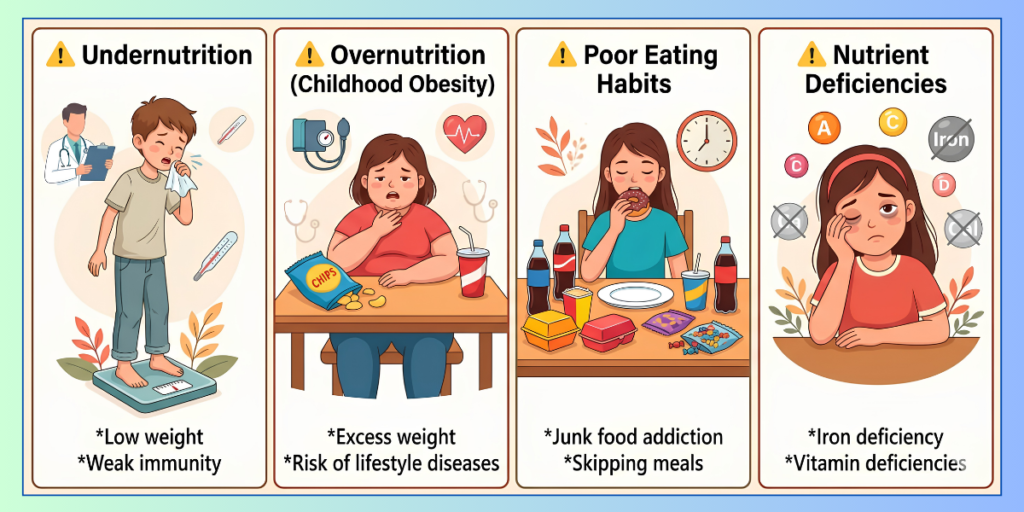
Some nutritional issues can affect children at different stages of growth. Common effects as follows,
Under nutrition
Under nutrition occurs when a child does not receive enough calories, protein, or essential nutrients. Under nutrition remains a significant concern in many communities, and can have long term health consequences.
Common effects include as follows,
- Poor growth
- Low body weight
- Delayed development
- Frequent illness
- Reduced energy levels
Iron Deficiency – Anaemia
Iron is essential for producing healthy red blood cells. A lack of iron can result in anaemia, one of the most common nutritional deficiencies among children. Early diagnosis, and nutritional improvements, can help correct iron deficiency effectively.
Symptoms include as follows,
- Fatigue
- Pale skin
- Weakness
- Poor concentration
- Reduced appetite
Vitamin D Deficiency
Vitamin D plays an important role in the bone growth, and calcium absorption. Adequate sunlight exposure, and nutrient rich foods can help maintain healthy Vitamin D levels.
Low levels can lead to follows,
- Weak bones
- Delayed growth
- Muscle weakness
- Increased risk of fractures
Childhood Obesity
Over nutrition, can be just as harmful as under nutrition. Excessive consumption of high calorie foods, and an inactive lifestyle can lead to obesity. Maintaining healthy eating habits, and regular physical activity is essential for prevention.
Health risks include as follows,
- Type 2 diabetes
- High blood pressure
- Heart disease
- Joint problems
- Low self-esteem
Protein Deficiency
Protein is crucial for growth, tissue repair, and immune function. Including adequate protein in daily meals supports healthy development.
Protein deficiency may cause,
- Poor growth
- Muscle weakness
- Frequent infections
- Delayed wound healing
Child Nutrition Problems Causes
Many factors contribute to nutritional deficiencies, and poor growth in children.
Poor Dietary Habits
Children who eat excessive junk foods, sugary snacks, processed foods may not receive essential nutrients.
Picky Eating
Selective eating behaviours can limit nutrient intake, and increase the risk of deficiencies.
Lack of Nutrition Awareness
Parents may not always recognize the importance of balanced meals, and age-appropriate nutrition.
Medical Conditions
Certain digestive disorders, food allergies, infections, or chronic illnesses can affect nutrient absorption, and appetite.
Socio economic Factors
Limited access to nutritious foods, can contribute to inadequate nutrition, and poor health outcomes.
Symptoms of Nutrition Problems
Recognizing the warning signs early can help prevent serious health complications. If these symptoms persist, parents should consult a healthcare professional.
- Slow growth
- Unexplained weight loss
- Poor appetite
- Frequent illness
- Fatigue
- Pale skin
- Hair loss
- Difficulty concentrating
- Behavioural changes
Effective Solutions for Healthy Growth
Addressing the nutrition problems requires, a combination of healthy dietary habits, medical guidance, and lifestyle improvements.
Provide a Balanced Diet
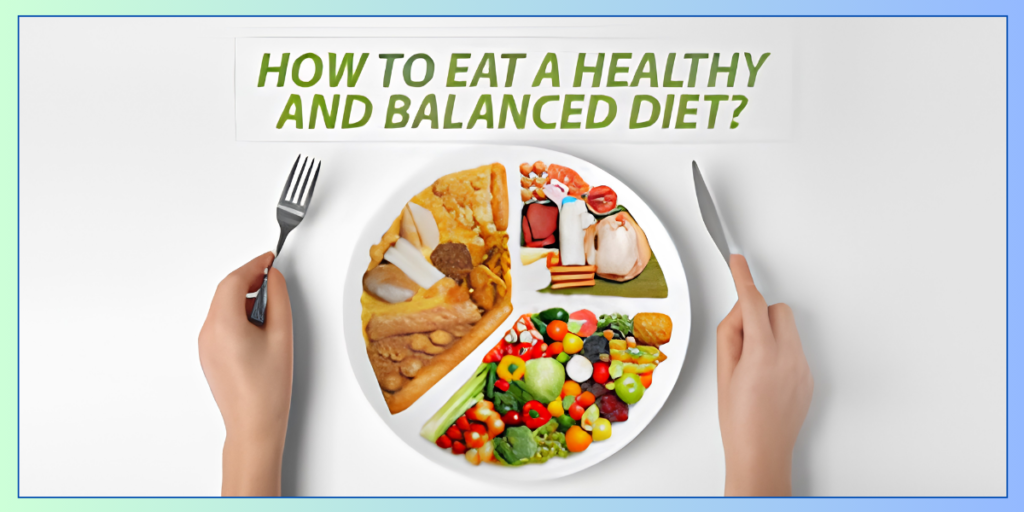
A well-balanced diet, should include foods from all major food groups. Balanced meals help in ensuring the children receive essential vitamins, and minerals. Important components include as follows,
- Fruits, and vegetables
- Whole grains
- Lean proteins
- Dairy products
- Healthy fats
Encourage Healthy Eating Habits
Positive eating experiences, can improve food acceptance, and nutrition. Parents can promote better eating behaviours as follows,
- Offering regular meal times
- Limiting sugary snacks
- Encouraging family meals
- Introducing new foods gradually
- Avoiding pressure during meals
Ensure Adequate Protein Intake
Protein rich foods support growth, and tissue development. Including protein in every meal, can benefit growing children.
Good sources include as follows,
- Eggs
- Fish
- Chicken
- Lentils
- Beans
- Dairy products
- Nuts, and seeds
Promote Physical Activity
Regular physical activity supports healthy growth, and weight management. Exercise also strengthens bones, muscles, and cardiovascular health.
- Outdoor play
- Cycling
- Swimming
- Walking
- Sports participation
Monitor Growth Regularly
Routine growth monitoring helps, identify nutritional concerns early. Early intervention often leads to better outcomes.
Regular checkups allow healthcare providers to
- Track height, and weight
- Assess developmental progress
- Detect nutrient deficiencies
- Provide dietary guidance
The Role of Parents in Child Nutrition
Parents play a critical role in shaping a child’s eating habits, and lifestyle choices. Children often adopt the habits they observe at home.
- Being a positive role model
- Providing nutritious meals
- Encouraging hydration
- Limiting screen time during meals
- Teaching healthy food choices
Preventing Future Nutrition Problems
Prevention starts with building healthy habits from an early age. These habits contribute to long term health, and healthy growth.
Important preventive measures are as follows,
- Exclusive breastfeeding during infancy when appropriate
- Timely introduction of complementary foods
- Balanced family meals
- Regular medical checkups
- Adequate sleep
- Active lifestyles
Frequently Asked Questions (FAQs)
- What are the most common nutrition problems in children?
Undernutrition, iron deficiency anaemia, Vitamin D deficiency, obesity, and protein deficiency are among the most common nutrition related issues. - How can I improve my child’s nutrition?
Provide balanced meals, encourage healthy snacks, limit junk food, and ensure regular physical activity. - What are the signs of poor nutrition in children?
Common signs include poor growth, fatigue, frequent illness, low appetite, and delayed development. - How much protein does a child need?
Protein requirements vary by age, and weight. A paediatrician, or nutritionist can provide personalized recommendations. - When should I consult a doctor about my child’s nutrition?
Seek medical advice if your child shows poor growth, persistent fatigue, weight loss, or signs of nutrient deficiencies.