

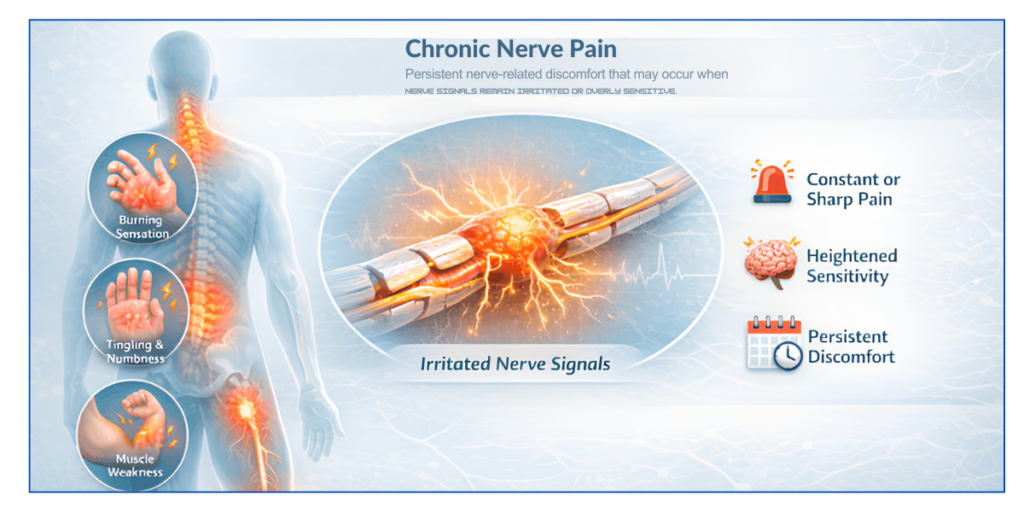
How to manage chronic nerve pain – Chronic nerve pain is also called neuropathic pain, and it’s a long-term issue caused by damage or disfunction within the nerves. Unlike the usual kind of pain that shows up after an injury, this nerve pain is kind of born inside the nervous system itself.
It can feel like burning, tingling, stabbing, shooting, or even those electric shock-like zaps. And honestly, it can disturb daily life quite a lot. This article kind of explained that, managing chronic nerve pain effectively is essential to keep up your physical health, your emotional steadiness, and your overall quality of life.
Chronic Nerve Pain
Nerve pain can show up, because a bunch of different things, like diabetes, injuries, infections, auto-immune disorders, problems in the spine, stroke, or specific medical treatments. Early diagnosis, and proper treatment can help prevent the condition from worsening.
Sometimes it keeps hanging around even, after the original cause has been handled, so it becomes kind of hard to manage, and deal with in real life.
These are the symptoms are included
- Burning or sharp pain
- Tingling and numbness
- Increased sensitivity to touch
- Muscle weakness, and Difficulty sleeping
- Reduced mobility
Causes of Chronic Nerve Pain
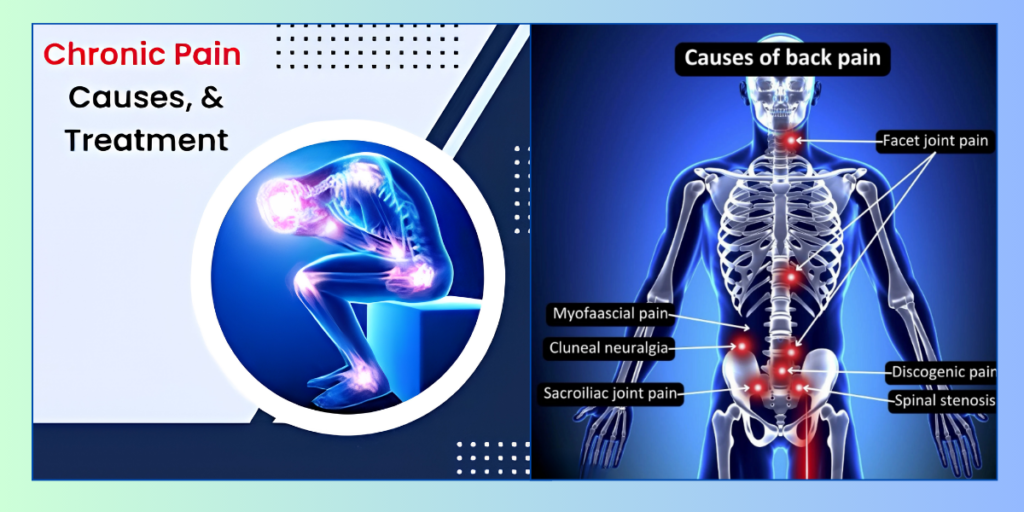
Several health conditions can damage nerves, and lead to persistent pain.it includes
Diabetes
High blood sugar levels can damage nerves over time, causing diabetic neuropathy, one of the most common causes of chronic nerve pain.
Herniated Discs, and Spine Disorders
Compressed nerves in the neck or lower back can result in pain that radiates to the arms or legs.
Shingles
A previous shingles infection can lead to postherpetic neuralgia, a painful nerve condition that may last for months or years.
Injuries. and Trauma
Accidents, surgeries, or sports injuries can damage nerves, and cause long-term discomfort.
Autoimmune Disorders
Conditions such as rheumatoid arthritis, and multiple sclerosis may affect the nervous system, and trigger chronic pain.
Effective Ways to Manage Chronic Nerve Pain
Managing nerve pain often requires a combination of treatments, and life-style changes.
1.Survey Your Treatment Plan
A healthcare provider may recommend medications, specifically designed for nerve pain. Following the prescribed treatment plan reliably can help reduce symptoms, and improve daily functioning.
2.Stay Physically Active
Regular exercise can improve blood circulation, strengthen muscles, and reduce pain levels.
- Walking
- Swimming
- Stretching exercises
- Yoga, and Low-impact aerobic workouts
- Physical activity also promotes better mood, and overall health
3.Continue a Healthy Diet
Proper nutrition supports nerve health, and helps manage underlying conditions.
These are the points are Focus on
- Fresh fruits, and vegetables
- Whole grains
- Lean proteins
- Healthy fats
- Foods rich in Vitamin B12, and Omega-3 fatty acids
Limiting processed foods, and excessive sugar intake can also be beneficial.
4.Manage Stress Effectively
Stress, can intensify pain perception, and make symptoms feel worse.
Helpful stress-management techniques are included
- Deep breathing exercises
- Meditation
- Mindfulness practices
- Listening to calming music
- Spending time with family, and friends
Reducing stress can improve both physical, and emotional well-being.
5.Arrange Quality Sleep
Poor sleep often worsens chronic pain. Establishing healthy sleep habits can help the body recover, and manage discomfort more effectively.
These are tips are included for better sleep
- Maintain a regular sleep schedule
- Avoid caffeine before bedtime
- Create a comfortable sleep environment
- Limit screen time at night
Adequate rest can significantly improve pain tolerance, and energy levels.
Lifestyle Changes That Can Make a Difference
Small daily changes can have a major impact on managing nerve pain.
Avoid Smoking
Smoking reduces blood flow to nerves, and can worsen nerve damage over time.
Limit Alcohol Consumption
Excessive alcohol intake may contribute to nerve damage, and increase symptoms.
Maintain a Healthy Weight
Excess body weight can place additional pressure on nerves, and joints, increasing discomfort.
Stay Hydrated
Proper hydration supports overall nerve function, and general health
The Importance of Physical Therapy

Its plays an important role in improving mobility, and reducing pain. A physiotherapist can develop a personalized exercise program to strengthen muscles, improve flexibility, and reduce nerve pressure. Consistent therapy sessions often provide long-term benefits.
These are the benefits of physical therapy included
- Improved movement
- Better balance, and coordination
- Reduced stiffness
- Enhanced quality of life
Emotional Well-Being Matters
Living with chronic pain can be emotionally challenging. Anxiety, frustration, and depression are common among individuals with long-term nerve pain. Addressing emotional health is an important part of successful pain management.
These are the ways to support emotional health
- Join support groups
- Seek professional counselling
- Stay socially connected
- Practice relaxation techniques
- Focus on achievable daily goals
When to Seek Medical Attention
Consult a healthcare professional, if you experience
- Severe or worsening pain
- Sudden weakness
- Loss of balance
- Persistent numbness
- Difficulty performing daily activities
Early intervention can help prevent complications, and improve treatment outcomes.
FAQs about How to manage chronic nerve pain
- What is chronic nerve pain?
Chronic nerve pain is long-lasting pain caused by nerve damage or dysfunction in the nervous system. - Can nerve pain be cured completely?
Some cases can improve significantly with treatment, while others require ongoing management to control symptoms. - What foods are good for nerve health?
Foods rich in Vitamin B12, Omega-3 fatty acids, fruits, vegetables, and whole grains support healthy nerve function. - Does exercise help nerve pain?
Yes. Regular low-impact exercise can improve circulation, strengthen muscles, and reduce pain levels. - When should I see a doctor for nerve pain?
Seek medical attention if the pain is severe, worsening, causes weakness, or interferes with daily activities.