


Persistent Cough – A cough is one of the body’s natural defence mechanisms, that helps clear the airways of irritants, mucus, and foreign particles. While most coughs improve within a few days or weeks, a persistent cough that lasts longer than expected, can be frustrating, and may indicate an underlying health condition.
If your cough refuses to go away despite home remedies or medications, it is important to understand the possible causes, and seek appropriate treatment. A persistent cough is generally defined as a cough lasting more than three weeks.
It can interfere with sleep, daily activities, work performance, and overall quality of life. In this article briefly explained, Identifying the root cause is the first step toward effective treatment, and long-term relief.
What Causes a Persistent Cough?
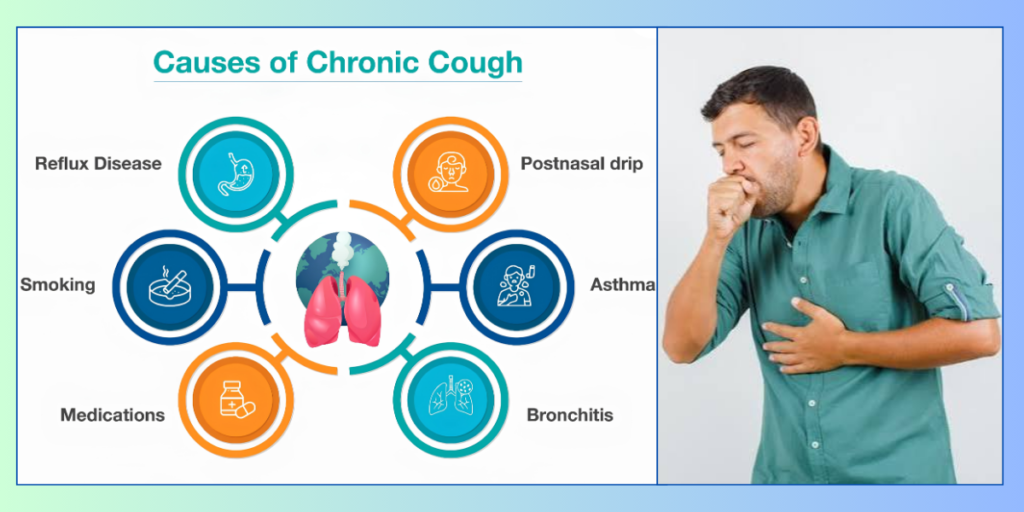
There are several reasons why a cough may continue for weeks or even months. Some causes are mild, and temporary, while others may require medical attention.
Post-Viral Cough
After recovering from a cold, flu, or other respiratory infection, some people continue to experience coughing for several weeks. This happens because the airways remain irritated, and sensitive even after the infection has cleared.
Symptoms of Post-Viral Cough
it may include
- Dry or mildly productive cough
- Throat irritation
- Increased coughing at night
- Sensitivity to cold air
Most post-viral coughs slowly, improve with time, and supportive care.
Asthma
It is a chronic condition that causes inflammation, and narrowing of the airways. In some individuals, a persistent cough may be the main symptom, known as cough-variant asthma.
These are the Common signs are included
- Dry cough that worsens at night
- Wheezing
- Shortness of breath
- Chest tightness
Proper asthma management can significantly reduce coughing episodes.
Allergies, and Postnasal Drip
Allergies can trigger excessive mucus production in the nose, and sinuses. This mucus drips down the back of the throat, causing irritation, and continuous coughing.
These are the allergy triggers are included
- Dust mites
- Pollen
- Pet dander
- Mold
People often notice throat clearing, nasal congestion, and sneezing along with their cough.
Gastroesophageal Reflux Disease
Gastroesophageal Reflux Disease occurs when stomach acid flows back into the oesophagus, irritating the throat, and triggering a cough.
These are the Symptoms are included
- Heartburn
- Sour taste in the mouth
- Hoarseness
- Chronic throat irritation
Chronic Bronchitis
Chronic bronchitis is a long-term inflammation of the bronchial tubes, often associated with smoking or prolonged exposure to air pollutants. Early diagnosis, and lifestyle changes can help prevent complications.
Symptoms include
- Persistent cough
- Thick mucus production
- Shortness of breath
- Frequent respiratory infections
Smoking
Smoking irritates the respiratory tract, and damages the lungs over time. Smokers commonly experience a persistent cough, often referred to as a smoker’s cough. Quitting smoking is one of the most effective ways to improve respiratory health.
Effects of smoking
It includes
- Chronic airway irritation
- Increased mucus production
- Reduced lung function
- Higher risk of lung diseases
Lung Infections
Certain infections such as pneumonia, tuberculosis, or whooping cough can cause prolonged coughing.
Warning signs may include
- Fever
- Fatigue
- Weight loss
- Chest pain
- Blood in sputum
These conditions require prompt medical evaluation, and treatment.
When Should You See a doctor?
While many coughs resolve naturally, certain symptoms should never be ignored. Seek medical attention, Early diagnosis can help identify serious conditions, and prevent complications.
if you experience
- A cough lasting more than three weeks
- Difficulty breathing
- Wheezing
- High fever
- Blood in mucus
- Unexplained weight loss
- Persistent chest pain
How Is a Persistent Cough Diagnosed?
Doctors use a combination of medical history, physical examination, and diagnostic tests to determine the cause of a chronic cough.
These are the common investigations are included
- Chest X-ray
- Lung function tests
- Allergy testing
- Blood tests
- CT scan when needed
- Sputum analysis
- Endoscopy for acid reflux evaluation
- Accurate diagnosis helps ensure the most effective treatment plan
Effective Treatments for Persistent Cough
Treatment depends on the underlying cause. Addressing the root problem usually provides the best results.
Medications
Always follow medical advice, and avoid self-medicating for long periods.
Doctors may prescribe
- Antihistamines for allergies
- Inhalers for asthma
- Antibiotics for bacterial infections
- Acid-reducing medications for GERD
- Cough suppressants when appropriate
Lifestyle Changes
Simple lifestyle modifications can help reduce coughing significantly.
Helpful measures include
- Staying hydrated
- Avoiding smoking, and second-hand smoke
- Using a humidifier
- Managing allergies
- Avoiding strong perfumes, and pollutants
- Elevating the head while sleeping if reflux is present
These changes support airway healing, and reduce irritation.
Home Remedies
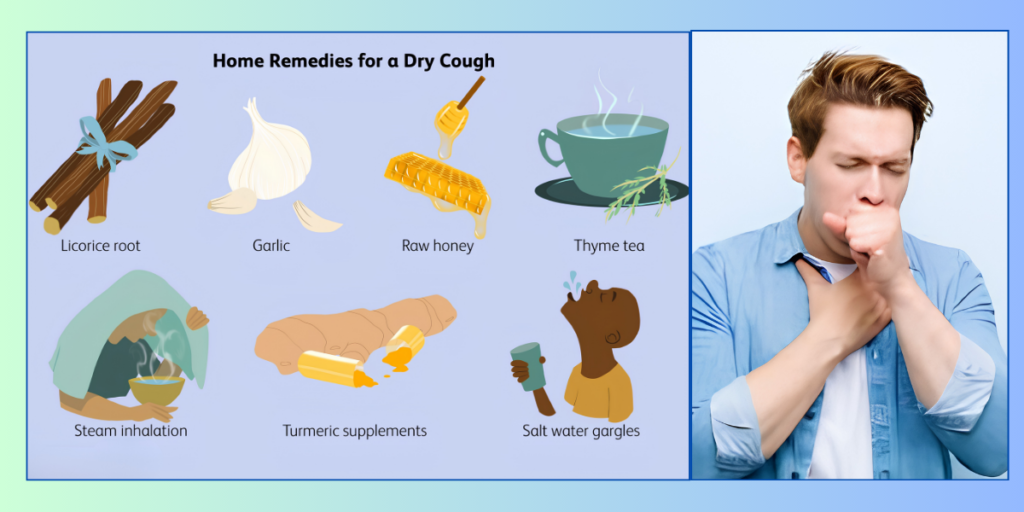
Certain home remedies may provide temporary relief
- Warm water with honey
- Herbal teas
- Steam inhalation
- Saltwater gargles
- Adequate rest
While these methods can soothe symptoms, they should not replace professional medical care when needed.
Tips to Prevent Persistent Cough
Prevention is always better than treatment. Maintaining healthy lungs, and reducing exposure to irritants can lower the risk of chronic coughing.
Important preventive measures
- Wash hands regularly
- Stay up to date with vaccinations
- Avoid smoking
- Exercise regularly
- Maintain a healthy diet
- Manage allergies effectively
- Seek early treatment for respiratory infections
Good respiratory health habits can make a significant difference in preventing long-term cough problems.
FAQs about persistent cough
- How long is considered a persistent cough?
A cough lasting more than three weeks is generally considered persistent, and may require medical evaluation. - Can acid reflux cause a chronic cough?
Yes. GERD can irritate the throat, and airways, leading to a long-lasting cough even without noticeable heartburn. - When should I worry about a cough?
Seek medical attention if your cough lasts more than three weeks or is accompanied by breathing difficulty, chest pain, fever, or blood in the sputum. - Can allergies cause a persistent cough?
Yes. Allergies often cause postnasal drip, which can irritate the throat, and trigger continuous coughing. - What is the best treatment for a persistent cough?
The best treatment depends on the underlying cause. Proper diagnosis by a healthcare professional is essential for effective treatment.