

Ultrasound Imaging Near Me – Modern healthcare relies heavily on accurate diagnostic tools to identify medical conditions at an early stage, and guide effective treatment. Among the most trusted, and widely used diagnostic technologies is ultrasound imaging.
This article briefly explained, if you are searching for advanced ultrasound imaging near me for complete health evaluation, understanding its benefits, applications, and importance can help you make informed healthcare decisions.
Ultrasound is considered extremely safe, and can be used for patients of all ages, including pregnant women, and children. With advancements in medical technology, modern ultrasound systems now provide clearer images, faster results, and improved diagnostic accuracy.
What is Advanced Ultrasound Imaging?
- Advanced ultrasound imaging, refers to the use of modern ultrasound equipment, and specialized scanning techniques to evaluate various parts of the body.
- These high-resolution imaging systems allow doctors to examine organs, blood flow, soft tissues, and developing foetuses with exceptional clarity.
Ultrasound scans help physicians diagnose diseases, monitor ongoing treatments, and assess overall health conditions without the need for invasive procedures.
Why Ultrasound Imaging is Important
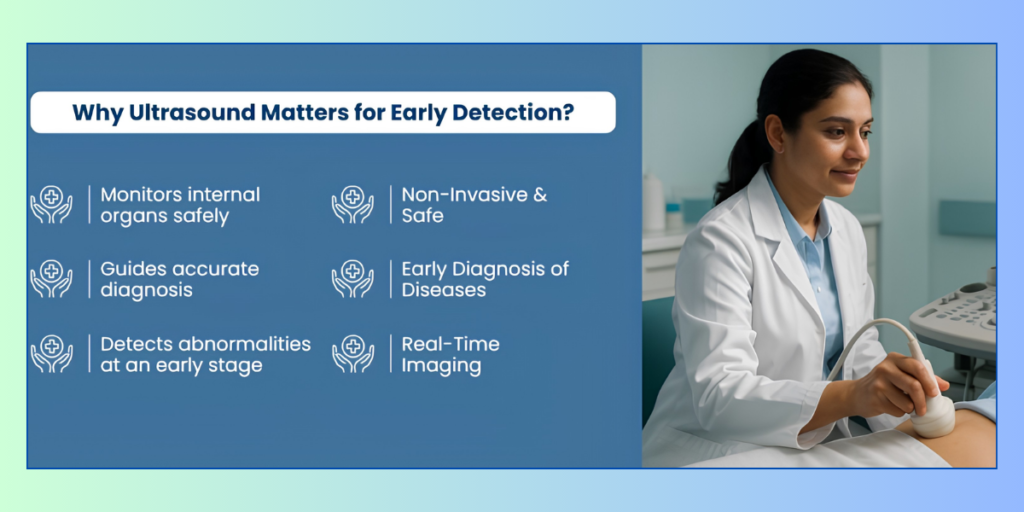
Early diagnosis is one of the most important factors in successful medical treatment. Ultrasound imaging plays a vital role in detecting abnormalities, before they become serious health concerns.
Benefits of advanced ultrasound imaging include,
- Quick, and painless procedure
- No radiation exposure
- Accurate visualization of internal organs
- Safe for pregnant women
- Real-time imaging capabilities
- Cost-effective diagnostic option
- Helps guide treatment decisions
Types of Ultrasound Scans
Advanced diagnostic centres offer various ultrasound examinations depending on the patient’s medical needs.
Abdominal Ultrasound
This scan evaluates important abdominal organs include,
- Liver
- Gallbladder
- Pancreas
- Kidneys
- Spleen
It helps diagnose conditions such as gallstones, kidney stones, liver diseases, and abdominal pain.
Pelvic Ultrasound
Pelvic scans are commonly used to evaluate reproductive organs in both men, and women.
This scan can help identify,
- Ovarian cysts
- Uterine fibroids
- Pelvic infections
- Prostate abnormalities
Pregnancy Ultrasound
Pregnancy ultrasounds monitor fetal growth, and development throughout pregnancy.
These are the benefits include,
- Confirming pregnancy
- Monitoring fetal growth
- Checking fetal heartbeat
- Detecting congenital abnormalities
- Assessing amniotic fluid levels
Thyroid Ultrasound
This imaging test helps evaluate thyroid gl, and abnormalities include,
- Thyroid nodules
- Enlargement of the thyroid gl, and
- Cysts
- Suspicious growths
Breast Ultrasound
Breast ultrasound is often used alongside mammography to evaluate breast lumps, and other abnormalities.
Musculoskeletal Ultrasound
It is frequently used in sports medicine, and orthopaedic care.
This specialized scan examines,
- Muscles
- Tendons
- Ligaments
- Joints
Doppler Ultrasound for Blood Flow Evaluation
One of the most advanced forms of ultrasound imaging is Doppler ultrasound. This technology measures blood flow through veins, and arteries. By analysing blood movement in real time, doctors can diagnose cardiovascular conditions more accurately.
Doppler ultrasound helps detect,
- Blood clots
- Blocked arteries
- Varicose veins
- Circulation problems
- Vascular disorders
Who Should Consider an Ultrasound Examination?
Ultrasound imaging may be recommended for individuals experiencing symptoms or requiring routine health monitoring.
You may need an ultrasound if you have,
- Persistent abdominal pain
- Swelling or lumps
- Pregnancy-related concerns
- Thyroid problems
- Urinary issues
- Pelvic discomfort
- Joint or muscle injuries
- Suspected blood circulation problems
Doctors often include ultrasound imaging as part of comprehensive health evaluations, and preventive health screenings.
Advantages of Choosing Advanced Ultrasound Imaging Near You

Finding a reliable diagnostic centre close to your location offers several benefits.
Faster Access to Care
Nearby diagnostic facilities allow patients to schedule appointments quickly, and receive timely evaluations.
Expert Radiologists
Advanced imaging centres employ experienced radiologists, and sonographers who ensure accurate image interpretation.
Modern Equipment
State-of-the-art ultrasound machines provide high-resolution images that improve diagnostic precision.
Convenient Follow-Up
Local access makes it easier to consult with healthcare providers, and undergo repeat scans if necessary.
Comfortable Patient Experience
Modern diagnostic centres focus on patient comfort, shorter waiting times, and efficient service.
Preparing for an Ultrasound Scan
Preparation depends on the type of ultrasound being performed.
Some common instructions include,
- Fasting for abdominal ultrasounds
- Drinking water before pelvic scans
- Wearing comfortable clothing
- Bringing previous medical records if available
Following preparation guidelines helps ensure accurate imaging results.
What Happens During the Procedure?
Ultrasound examinations are generally simple, and painless.
During the procedure,
- A special gel is applied to the skin.
- A h, andheld device called a transducer is moved over the area being examined.
- Sound waves create images on a monitor.
- The radiologist captures, and reviews the images.
Most scans take between 15, and 45 minutes, depending on the area being evaluated.
Choosing the Right Diagnostic Centre
A well-equipped diagnostic centre can significantly improve the quality, and reliability of your health evaluation.
When selecting an ultrasound imaging centre, consider the following factors,
- Advanced imaging technology
- Qualified radiologists
- Accurate reporting
- Timely results
- Hygienic environment
- Positive patient reviews
- Comprehensive diagnostic services
Frequently Asked Questions (FAQs)
- Is ultrasound imaging safe?
Yes. Ultrasound uses sound waves rather than radiation, making it safe for adults, children, and pregnant women. - How long does an ultrasound scan take?
Most ultrasound examinations take between 15, and 45 minutes, depending on the area being scanned. - Do I need to fast before an ultrasound?
Some abdominal ultrasounds require fasting, while other scans may not. Follow your doctor’s instructions. - Can ultrasound detect serious diseases?
Yes. Ultrasound can help identify conditions affecting organs, blood vessels, soft tissues, and pregnancy-related concerns. - How soon will I receive my ultrasound results?
Many diagnostic centres provide reports on the same day or within 24 hours, depending on the type of examination.