


Best Multi speciality Hospital for Cancer Care – Cancer is one of the leading health concerns worldwide, affecting millions of people every year. Early diagnosis, advanced treatment options, and comprehensive supportive care can significantly improve outcomes, and quality of life.
Choosing the best multi-speciality hospital for cancer care ensures patients receive expert evaluation, personalized treatment plans, and coordinated care under one roof.
This article briefly explained, A multi-speciality hospital brings together experienced oncologists, surgeons, radiologists, pathologists, and rehabilitation specialists to provide complete cancer care from diagnosis to recovery.
This integrated approach helps patients receive timely treatment while benefiting from the expertise of multiple medical disciplines.
Why choose a Multi-speciality Hospital for Cancer Care?
Cancer treatment often involves more than one medical specialty. A multi-speciality hospital offers seamless coordination between specialists, ensuring every aspect of your care is carefully planned.
Benefits of a Multi-speciality Hospital for Cancer Care
Below are the benefits,
- Comprehensive cancer diagnosis, and staging
- Experienced team of cancer specialists
- Advanced imaging, and laboratory services
- Personalized treatment plans
- Access to surgery, chemotherapy, and radiation therapy
- Pain management, and supportive care
- Nutritional counselling, and rehabilitation
- Regular follow-up, and survivorship care
Types of Cancer care
Each cancer requires a personalized treatment approach based on its type, stage, and the patient’s overall health.
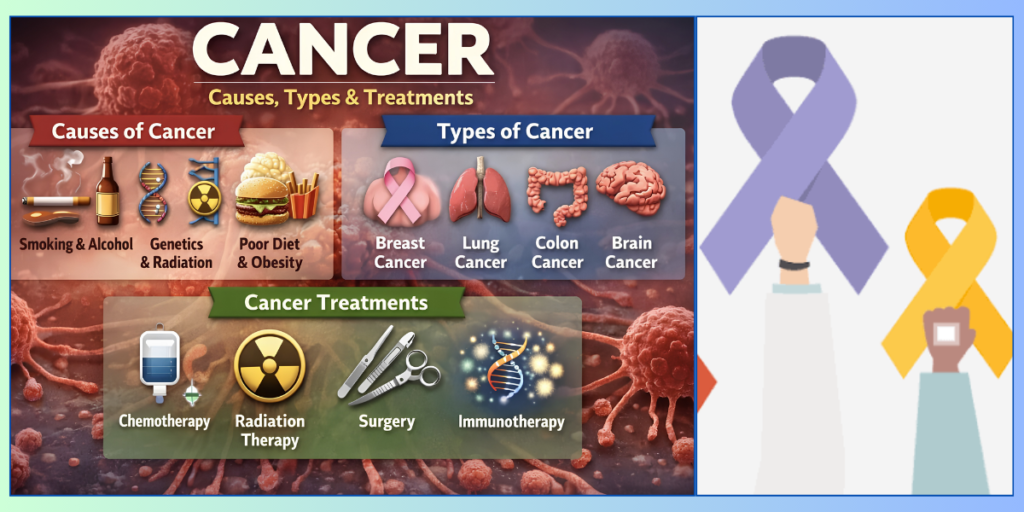
A multi-speciality hospital provides care for various types of cancer including
- Breast Cancer
- Lung Cancer
- Colorectal Cancer
- Prostate Cancer
- Cervical Cancer
- Ovarian Cancer
- Oral Cancer
- Liver Cancer
- Stomach Cancer
- Pancreatic Cancer
- Blood Cancers
- Brain Tumours
- Kidney, and Bladder Cancer
- Thyroid Cancer
- Skin Cancer
Early Warning Signs of Cancer
Identifying symptoms early can improve the chances of successful treatment. If these symptoms persist for more than two weeks, consult a healthcare professional promptly.
These are the Common Signs are Included
- Unexplained weight loss
- Persistent fatigue
- A lump or swelling anywhere in the body
- Persistent cough or hoarseness
- Difficulty swallowing
- Changes in bowel or bladder habits
- Unusual bleeding or discharge
- Non-healing sores
- Persistent pain
- Changes in moles or skin lesions
Advanced Cancer Diagnosis
Accurate diagnosis is the foundation of effective treatment. These investigations help determine the type, stage, and spread of cancer, allowing doctors to create the most effective treatment plan.
A multi-speciality hospital offers advanced diagnostic services, including below diagnostic tests
- Comprehensive physical examination
- Blood investigations
- Tumour marker tests
- Digital X-rays
- Ultrasound scans
- CT Scan
- MRI Scan
- PET-CT scan
- Mammography
- Endoscopy, and Colonoscopy
- Biopsy, and Histopathology
- Molecular, and Genetic Testing
Comprehensive Cancer Treatment Options
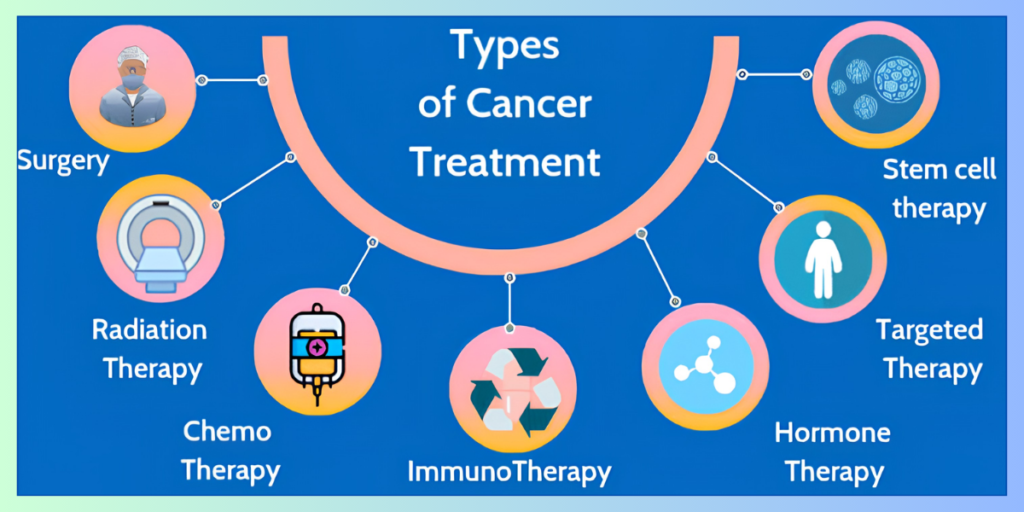
Treatment is customized according to the patient’s condition, and may involve one or more therapies.
Cancer Surgery
Surgery is commonly performed to remove tumours, and affected tissues. Advanced minimally invasive, and robotic techniques may reduce pain, blood loss, and recovery time.
Surgical Procedures may include
- Tumour removal
- Organ-preserving surgery
- Lymph node dissection
- Reconstructive surgery
Chemotherapy
Chemotherapy uses medications to destroy cancer cells or slow their growth. It may be given before surgery, after surgery, or as the primary treatment.
Benefits include
- Shrinking tumours
- Preventing recurrence
- Treating cancers that have spread
- Improving survival rates
Radiation Therapy
High-energy radiation targets cancer cells while minimizing damage to surrounding healthy tissue.
Radiation therapy is commonly used
- Before surgery
- After surgery
- Alongside chemotherapy
- For symptom relief in advanced cancers
Targeted Therapy
Targeted therapy attacks specific molecules responsible for cancer growth, offering a more precise treatment option for certain cancers.
Immunotherapy
Immunotherapy helps strengthen the body’s immune system so it can recognize, and fight cancer cells more effectively.
It has shown promising results in treating several cancers, including lung cancer, melanoma, kidney cancer, and certain blood cancers.
Hormone Therapy
Hormone therapy is commonly used for hormone-sensitive cancers such as breast, and prostate cancer to slow or stop cancer growth.
Personalized Cancer Care
Every patient is unique, and treatment plans are developed after careful evaluation by a multidisciplinary team. This personalized approach helps improve outcomes while minimizing unnecessary treatments.
Factors considered include
- Type of cancer
- Stage of disease
- Age, and general health
- Medical history
- Genetic factors
- Patient preferences, and treatment goals
Supportive Cancer Care
Cancer treatment involves more than treating the disease. Supportive services help patients manage physical, and emotional challenges. Supportive care aims to improve quality of life throughout treatment, and recovery.
It includes
- Pain management
- Nutrition counselling
- Physiotherapy
- Psychological counselling
- Palliative care
- Infection prevention
- Rehabilitation programs
Recovery after Cancer treatment
Recovery continues even after treatment ends. Regular follow-up appointments help monitor health, detect recurrence early, and manage any long-term side effects.
Healthy Recovery Tips
It includes
- Attend all follow-up visits
- Eat a balanced, nutritious diet
- Stay physically active as advised
- Avoid tobacco, and excessive alcohol
- Maintain a healthy weight
- Manage stress through relaxation techniques
- Get adequate sleep
- Follow your doctor’s recommendations
Importance of Early Detection
Many cancers are treatable when diagnosed early. Regular health check-ups, and recommended screening tests can identify cancer before symptoms appear. Early detection often leads to simpler treatments, and better outcomes.
Screening may include
- Mammography
- Pap smear
- Colonoscopy
- Low-dose CT scans for eligible individuals
- Oral cancer screening
- Prostate evaluation
Why a Multi-disciplinary Team Matters
A multi-speciality hospital brings together experts from different fields to discuss each case, and develop the most effective treatment strategy. This collaborative approach ensures patients receive coordinated, and comprehensive care.
The team may include
- Medical Oncologists
- Surgical Oncologists
- Radiation Oncologists
- Pathologists
- Radiologists
- Oncology Nurses
- Dietitians
- Physiotherapists
- Psychologists
- Palliative Care Specialists
FAQs about Best Multi speciality Hospital for Cancer Care
- What is the advantage of choosing a multi-speciality hospital for cancer care?
A multi-speciality hospital offers coordinated care from oncologists, surgeons, radiologists, and other specialists. Also ensuring comprehensive diagnosis, treatment, and recovery. - What are the most common cancer treatments?
Common treatments include surgery, chemotherapy, radiation therapy, targeted therapy, immunotherapy, and hormone therapy. The treatment depends on the type, and stage of cancer. - Can cancer be cured, if detected early?
Many cancers have much higher chance of successful treatment, and long-term survival when detected in their early stages. - How often should cancer survivors have follow-up visits?
The frequency depends on the type of cancer, and treatment received. Your oncologist will recommend a personalized follow-up schedule. - What lifestyle changes can support cancer recovery?
Eating a healthy diet, staying physically active, avoiding tobacco, limiting alcohol, managing stress, and attending regular follow-up appointments can support recovery, and overall well-being.