

Orthopaedics Near Me – The health of bones, and joints functions as a vital element for people to achieve their active lifestyle together with their freedom from pain. The proper time to receive orthopaedic treatment becomes, crucial for treating sports injuries together with arthritis, fractures, back pain, and joint stiffness.
Searching for the Best Orthopaedics Near Me for Bone, and Joint Care helps, people find experienced orthopaedic specialists, who can diagnose and treat various bone muscle, and joint conditions effectively.
The present orthopaedic field provides, complete patient recovery solutions through, its advanced diagnostic tools, and surgical treatments, and physiotherapy, and rehabilitation programs, which include minimally invasive procedures.
What is Orthopaedic Care?
Orthopaedic care focuses on the prevention, diagnosis and treatment of musculoskeletal conditions. These conditions may affect the people of all age groups, from children with bone growth issues to elderly patients suffering from arthritis or osteoporosis.
Orthopaedic specialists treat conditions such as
- Bone fractures
- Joint pain
- Arthritis
- Sports injuries
- Back and neck pain
- Knee pain
- Hip pain
- Shoulder injuries
- Spine disorders
- Ligament tears
- Osteoporosis
Early diagnosis, and proper treatment can prevent long-term complications, and improve mobility, and the quality of life.
Symptoms That Need Orthopaedic Attention
Many people ignore bone, and joint pain until it becomes severe. However, early consultation with an orthopaedic specialist can help avoid major complications. Ignoring these are the symptoms may worsen the condition over time.
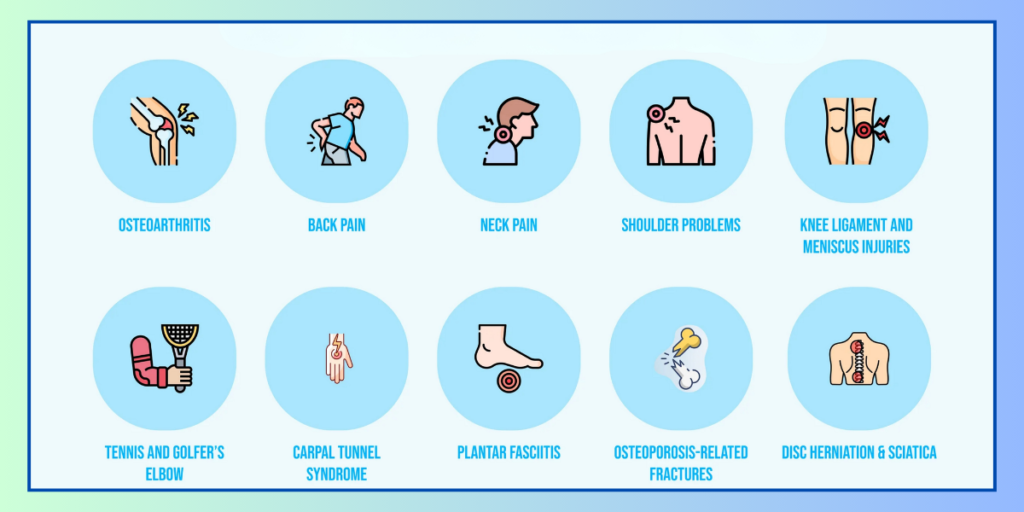
You should visit an orthopaedic doctor, if you experience
- Persistent joint pain
- Difficulty walking or climbing stairs
- Swelling in joints
- Back or neck pain
- Limited movement in arms or legs
- Sports-related injuries
- Bone fractures
- Muscle weakness
- Stiffness in joints
- Difficulty performing daily activities
Choosing the Best Orthopaedics Near You
Finding the best orthopaedic care nearby ensures timely treatment during emergencies, and regular follow-ups. Experienced orthopaedic specialists use advanced diagnostic tools, and personalized treatment plans for better recovery.
Benefits of choosing the best orthopaedic hospital include
Expert Diagnosis
Advanced imaging tests such as X-rays, MRI scans, CT scans, and bone density tests help identify the exact problem accurately.
Personalized Treatment
Every patient receives customized treatment depending on their age, condition, and lifestyle.
Advanced Surgical Care
Modern orthopaedic surgeries are safer and involve smaller incisions, less pain, and quicker recovery.
Rehabilitation Support
Physiotherapy and rehabilitation programs help patients regain strength and mobility after injuries or surgeries.
Emergency Fracture Care
Immediate treatment for fractures and injuries helps prevent complications.
Common Orthopaedic Treatments
Orthopaedic specialists provide both non-surgical and surgical treatments depending on the condition.
Non-Surgical Treatments
Many orthopaedic problems can be treated without surgery. Common non-surgical treatments include
- Medications for pain relief
- Physiotherapy
- Joint injections
- Lifestyle modifications
- Exercise programs
- Braces and supports
- Weight management
Surgical Treatments
When non-surgical methods fail, surgery may be recommended.
Common orthopaedic surgeries include
- Knee replacement surgery
- Hip replacement surgery
- Arthroscopy
- Spine surgery
- Fracture fixation
- Ligament reconstruction
- Shoulder surgery
Modern techniques allow faster healing, and shorter hospital stays.
Orthopaedic Care for Sports Injuries
Sports injuries are common among athletes and active individuals. Injuries such as ligament tears, muscle strains, and fractures require expert orthopaedic care.
Orthopaedic specialists help with
- ACL injuries
- Meniscus tears
- Shoulder dislocation
- Tennis elbow
- Sprains and strains
- Muscle injuries
Proper treatment and rehabilitation help patients return to sports safely and confidently.
Arthritis, and Joint Pain Management
Arthritis is one of the most common orthopaedic conditions, especially among older adults. It causes pain, swelling, and stiffness in joints.
Orthopaedic doctors offer advanced arthritis management through
- Pain management therapies
- Physiotherapy
- Joint injections
- Lifestyle guidance
- Joint replacement surgery
Early treatment can slow down joint damage, and improve mobility.
Importance of Physiotherapy in Orthopaedic Recovery
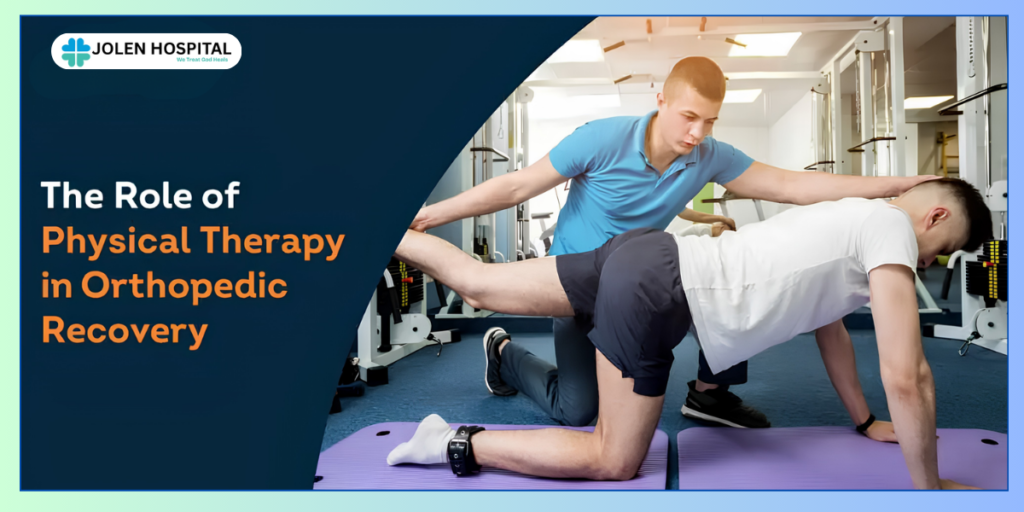
Physiotherapy is an essential part of orthopaedic treatment. It helps strengthen muscles, improve flexibility, and reduce pain.
These are the important benefits of physiotherapy, it includes
- Faster recovery after surgery
- Improved joint movement
- Better muscle strength
- Reduced stiffness
- Pain relief
- Improved balance and coordination
- A good rehabilitation plan helps patients regain independence quickly
Advanced Technology in Orthopaedic Care
Modern orthopaedic hospitals use advanced technology for accurate diagnosis and effective treatment. These are advanced orthopaedic technologies, it includes
- Digital X-rays
- MRI scans
- Arthroscopy
- Robotic joint replacement
- Minimally invasive surgery
- Computer-assisted surgery
- These technologies improve surgical precision, and recovery outcomes
Tips to Maintain Healthy Bones and Joints
Healthy lifestyle habits can help maintain strong bones, and flexible joints.
Eat a Balanced Diet
Consume foods rich in calcium, vitamin D, and protein.
Exercise Regularly
Regular physical activity strengthens muscles and improves joint flexibility.
Maintain Healthy Weight
Excess weight increases pressure on joints, especially knees and hips.
Avoid Smoking and Alcohol
These habits can weaken bones over time.
Practice Good Posture
Proper posture reduces strain on the spine and joints.
Get Regular Health Checkups
Routine checkups help detect bone problems early.
Why Early Orthopaedic Treatment Matters
The practice of postponing orthopaedic treatment results in three specific outcomes, which include chronic pain, and decreased ability to move, and permanent damage to joints.
The initial assessment of a medical condition provides essential information, which enables healthcare professionals to manage symptoms effectively while stopping further disease progression.
The process of diagnosing pain origins enables, orthopaedic experts to design treatment methods, which achieve enduring pain relief for patients.
FAQs about Orthopaedics Near Me
- When should I visit an orthopaedic doctor?
You should visit an orthopaedic doctor if you have persistent joint pain, fractures, swelling, back pain, or difficulty moving. - What conditions do orthopaedic doctors treat?
Orthopaedic doctors treat bone, joint, muscle, ligament, tendon, and spine-related conditions. - Can orthopaedic problems be treated without surgery?
Yes, many orthopaedic conditions can be treated with medications, physiotherapy, injections, and lifestyle changes. - How long does recovery take after orthopaedic surgery?
Recovery time depends on the type of surgery and the patient’s overall health. Physiotherapy helps speed up recovery. - What is the best way to keep bones healthy?
Regular exercise, a calcium-rich diet, maintaining healthy weight, and avoiding smoking help keep bones strong and healthy.