

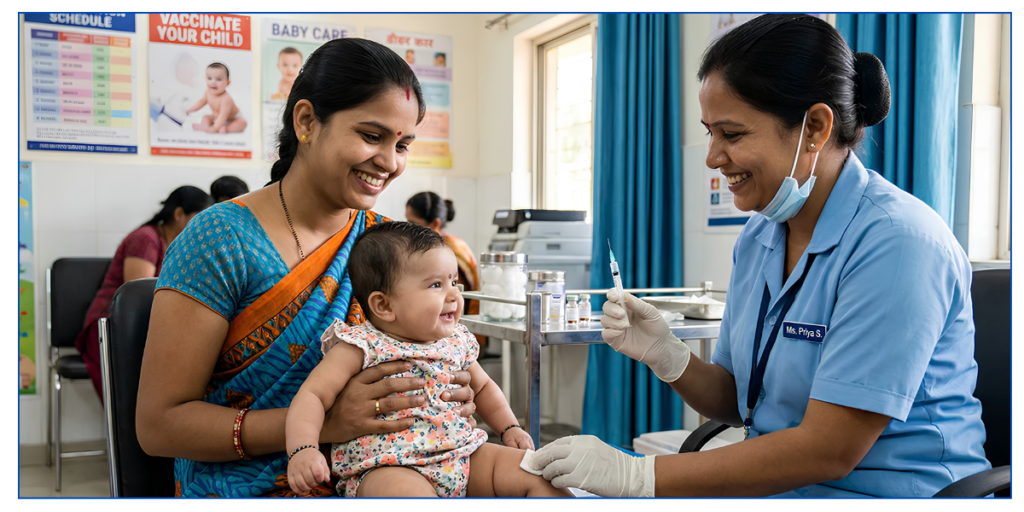
Baby Vaccination Timeline – Vaccination is one of the most effective ways to protect babies from serious, and life-threatening diseases. A baby’s immune system is still developing during the first few years of life, making them more susceptible to infections.
Vaccines help the immune system identify, and fight harmful viruses, and bacteria before they can cause severe illness. Following the recommended vaccination schedule ensures your child receives protection at the right age, reducing the risk of preventable diseases.
This article explains the essential vaccines, their recommended schedule, and important tips every parent should know.
Why Vaccination Is Important for Babies
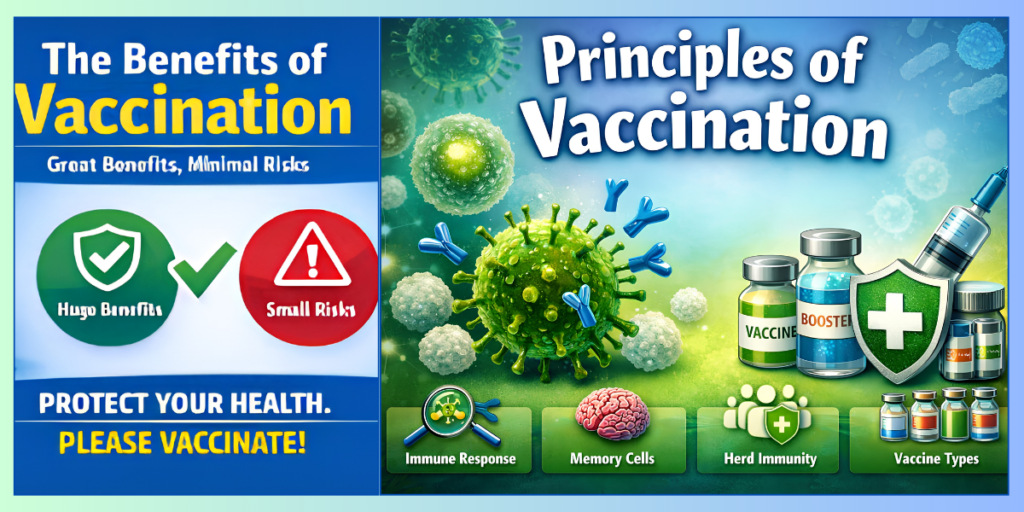
Vaccines prepare your baby’s immune system to fight diseases without causing the illness itself. They contain weekend or inactive parts of bacteria or viruses that safely stimulate immunity.
These are the benefits of vaccination include
- Protects against life-threatening diseases
- Strengthens your baby’s immune system
- Prevents disease outbreaks in the community
- Reduces hospitalizations, and medical complications
- Protects vulnerable children who cannot receive vaccines
- Saves healthcare costs by preventing serious illnesses
Vaccinating your child on time provides, the best possible protection during the most helpless stages of early life.
Baby Vaccination Timeline
At Birth
Shortly after birth, babies receive their first vaccines to provide immediate protection against serious infections.
Vaccines Given
- BCG Vaccine – Protects against severe forms of tuberculosis
- Hepatitis B (Birth Dose) – Protects against hepatitis B virus infection
- OPV (Oral Polio Vaccine – Zero Dose) – Provides early protection against polio
These vaccines are usually administered before the baby leaves the hospital.
At 6 Weeks
The baby’s immune system is ready for additional vaccines that protect against several dangerous diseases.
Vaccines Given
- DTP
- IPV
- Hib
- Hepatitis B (Second Dose)
- Rotavirus Vaccine
- Pneumococcal Conjugate Vaccine
These vaccines help prevent infections that can cause pneumonia, meningitis, paralysis, and severe diarrhea.
At 10 Weeks
The second doses of several vaccines are administered to strengthen immunity.
Vaccines Given
- DTP
- IPV
- Hib
- Rotavirus
- PCV
Multiple doses are necessary, because immunity builds gradually after each vaccination.
At 14 Weeks
Babies receive another round of vaccines to complete the primary series.
Vaccines Given
It includes
- DTP
- IPV
- Hib
- Rotavirus – final dose depending on vaccine type
- PCV
Completing this schedule provides stronger, and longer-lasting protection.
At 6 Months
Some vaccines require booster or additional doses during this stage.
Vaccines Given
It includes
- Hepatitis B (Final Dose)
- Influenza Vaccine (recommended annually after 6 months)
Flu vaccination becomes especially important because influenza can lead to serious complications in infants.
At 9 Months
As babies become more active, protection against viral infections becomes increasingly important.
Vaccines Given
It includes
- Measles or MMR (Measles, Mumps, Rubella)
- Vitamin A supplementation (as recommended)
Measles is highly contagious, and can lead to severe complications, if left untreated.
At 12–15 Months
This stage includes booster doses to strengthen immunity.
Vaccines Given
It includes
- MMR (Second Dose)
- PCV Booster
- Varicella (Chickenpox Vaccine)
- Hepatitis A (First Dose)
These vaccines provide protection against diseases that commonly affect toddlers.
At 15–18 Months
Booster vaccines continue to reinforce long-term immunity.
Vaccines Given
It includes
- DTP Booster
- Hib Booster
- IPV Booster
These boosters help maintain protection as children grow older.
At 18–24 Months
Additional vaccines may include
- Hepatitis A (Second Dose)
- Typhoid Conjugate Vaccine (as recommended)
These vaccines reduce the risk of foodborne, and waterborne infections.
At 4–6 Years
Before starting school, children receive booster doses.
Vaccines Given
It includes
- DTP Booster
- IPV Booster
- MMR Booster
- Varicella Booster (if required)
School-age boosters help, maintain immunity during childhood.
Diseases Prevented by Baby Vaccines
Routine childhood vaccines protect against several serious illnesses
It includes
- Tuberculosis
- Hepatitis B
- Polio
- Diphtheria
- Tetanus
- Whooping Cough
- Pneumonia
- Meningitis
- Rotavirus diarrhea
- Measles
- Mumps
- Rubella
- Chickenpox
- Hepatitis A
- Influenza
- Typhoid
Many of these diseases once caused significant childhood illness, and death, but vaccination has dramatically reduced their impact.
Baby Vaccination Timeline - Why Following the Vaccination Schedule Matters
The vaccination schedule is carefully designed based on scientific research to provide protection when babies are most at risk.
Benefits of timely vaccination
It includes
- Early protection against dangerous diseases
- Stronger immune response
- Reduced risk of severe complications
- Better long-term immunity
- Protection for family members, and the community
Delaying vaccines may leave babies vulnerable during critical periods.
Side Effects After Vaccination
Most of the vaccines side effects are mild, and temporary.
These are the common reactions are included
- Mild fever
- Redness or swelling at the injection site
- Temporary fussiness
- Sleepiness
- Reduced appetite
- Mild soreness
These symptoms usually disappear within one or two days.
Seek medical attention immediately, if your baby develops
- High fever
- Difficulty breathing
- Severe allergic reaction
- Continuous crying for several hours
- Seizures
- Unusual drowsiness or difficulty waking
Serious vaccine reactions are extremely rare.
Tips for Parents Before, and After Vaccination
Baby Vaccination Timeline
These are the tips are included
- Carry your baby’s vaccination record
- Follow the recommended schedule without missing appointments
- Dress your baby in comfortable clothing
- Feed your baby before or after vaccination, if appropriate
- Comfort your baby with cuddles or breastfeeding after the shot
- Monitor for mild side effects at home
- Consult your paediatrician, if you notice anything unusual
- Never skip booster doses
Keeping a vaccination calendar or setting reminders, can help ensure no doses are missed.
Can Vaccines Be Delayed?
- If your baby misses a scheduled vaccine, due to illness or other reasons, speak with your paediatrician as soon as possible
- In many cases, a catch-up vaccination schedule can be created to ensure your child receives the recommended protection
- It is generally not necessary to restart the vaccine series, but timely follow-up is important
Frequently Asked Questions (FAQs) - Baby Vaccination Timeline
- Why are multiple doses of some vaccines required?
Multiple doses help build stronger, and longer-lasting immunity, ensuring your child is fully protected against certain diseases. - Is it safe for babies to receive several vaccines during one visit?
Yes. Babies can safely receive multiple vaccines during the same visit, and this practice is supported by extensive research, and public health recommendations. - What should I do if my baby misses a vaccine?
Contact your paediatrician promptly. A catch-up schedule can usually be arranged without restarting the entire vaccination series. - Can my baby receive vaccines if they have a mild cold or fever?
Babies with a mild illness, such as a cold without a high fever, can often still be vaccinated. Always check with your healthcare provider before the appointment. - Are vaccine side effects normal?
Yes. Mild side effects such as slight fever, soreness, or swelling at the injection site are common, and usually resolve within a day or two. Serious reactions are very rare, and require immediate medical attention.