

High blood sugar also known as hyperglycaemia is a growing health concern, and it is affecting the millions of people worldwide. It occurs, when the body cannot properly regulate blood glucose levels due to the insufficient insulin production, or poor insulin utilization.
If not treated on time, high blood sugar can lead to serious health complications, including heart disease, kidney damage, nerve problems, and vision loss. The good news is that high blood sugar can often be prevented, and effectively managed through healthy lifestyle choices, regular monitoring, and timely medical care.
Understanding the right preventive measures is essentials for long-term well-being. It is based on the type of diabetes.
What Is High Blood Sugar?
High blood sugar occurs, when glucose builds up in the bloodstream instead of being used by the body’s cells for energy. It is commonly associated with Type 1 diabetes, or certain medications, or unhealthy eating habits.
A normal fasting blood sugar level is generally between 70, and 99 mg/dL, while consistently higher levels may indicate prediabetes or diabetes.
Symptoms of High Blood Sugar
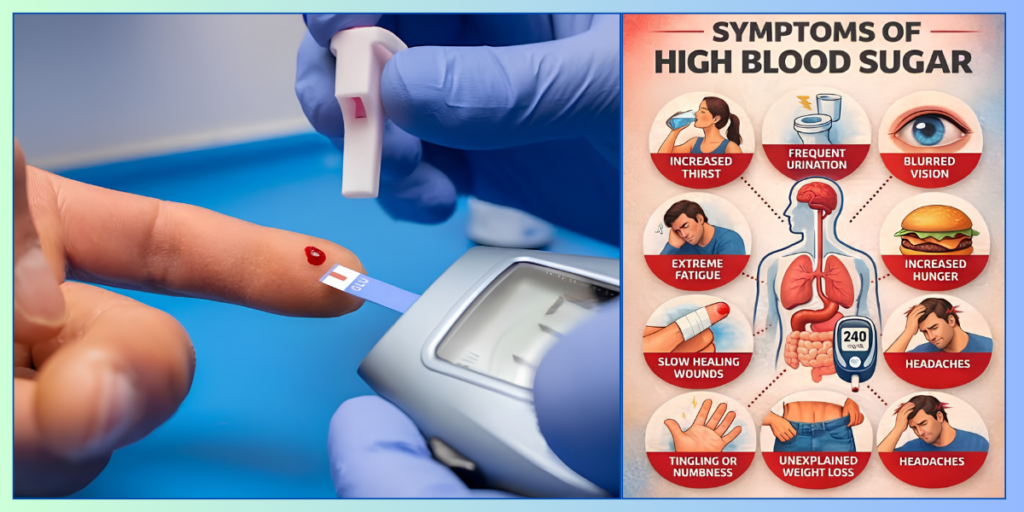
Identifying the early signs of high blood sugar can help prevent complications. If below symptoms persist, it is important to consult a healthcare professional for proper diagnosis, and treatment.
It includes
- Frequent urination
- Increased thirst, and constant hunger
- Fatigue, and weakness
- Blurred vision
- Dry mouth
- Slow-healing wounds
- Frequent infections
- Unexplained weight loss
- Tingling, or numbness in hands, and feet
Causes of High Blood Sugar
Some factors can contribute to elevated blood sugar levels. Understanding the below triggers can help individuals take preventive measures before blood sugar levels become difficult to control.
Causes include
- Poor dietary habits
- Lack of physical activity
- Excess body weight
- Stress, and anxiety
- Skipping diabetes medications
- Illness, or infections
- Hormonal changes
- Inadequate sleep
- Certain medications such as steroids
How to Prevent High Blood Sugar Effectively?
Follow a Balanced Diet
Healthy eating is one of the most effective ways to maintain normal blood sugar levels. Limit sugary drinks, sweets, processed foods, refined carbohydrates, and excessive fried foods.
Foods include
- Whole grains
- Fresh vegetables
- Fruits in moderation
- Lean proteins
- Healthy fats
- High-fibre foods
Stay Physically Active
Exercise helps your body uses the insulin more efficiently, and lowers the blood sugar naturally. Aim for at least 30 minutes of daily moderate exercise.
Exercises Includes
- Walking
- Cycling
- Swimming
- Yoga
- Strength Training
Maintain a Healthy Weight
Overweight increases insulin resistance, making it harder for the body to regulate blood sugar. Losing even 5–10% of your body weight can significantly improve blood sugar control.
Drink Plenty of Water
Proper hydration helps the kidneys remove excess sugar through urine, and prevents dehydration caused by high blood sugar. Drink plenty of water throughout the day to keep you hydrated.
Avoid Sugary Beverages
Soft drinks, packaged juices, energy drinks, and sweetened beverages can rapidly increase blood sugar levels.
Alternatives includes
- Water
- Lemon water without sugar
- Herbal tea
- Coconut water in moderation
Get Quality Sleep
Poor sleep affects hormone balance, and insulin sensitivity. Adults should aim for 7–9 hours of quality sleep every night.
Manage Stress
Stress hormones can increase blood sugar levels.
Stress Management techniques include
- Meditation
- Deep breathing exercises
- Yoga
- Reading
- Listening to music
- Spending time outdoors
Monitor Blood Sugar Regularly
Regular monitoring helps identify patterns, and allows timely adjustments to diet, exercise, or medications. Follow your healthcare provider’s recommendations regarding blood sugar testing.
Take Medications as prescribed
Never skip diabetes medications, or insulin doses without consulting your doctor. Medication adherence helps in maintaining a stable blood sugar levels, and reduces the risk of complications.
Eat Smaller, and Frequent Meals
Large meals may cause sudden spikes in blood sugar.
Please follow below
- Eat balanced meals
- Include healthy snacks if needed
- Avoid skipping meals
Choose Low Glycaemic Index Foods
Low GI foods release glucose slowly into the bloodstream.
- Oats
- Brown rice
- Lentils
- Chickpeas
- Apples, and Berries
- Non-starchy vegetables
Increase Fiber Intake
Fiber slows glucose absorption, and helps improve blood sugar control.
Fibers include
- Vegetables
- Fruits
- Beans
- Whole grains
- Seeds
- Nuts
Avoid Smoking, and Excess Alcohol
Smoking increases the risk of diabetes complications, while excessive alcohol may cause unpredictable blood sugar changes. Quitting smoking, and limiting alcohol intake can greatly improve overall health.
Foods That Help Control Blood Sugar
Eating a balanced diet rich in below foods supports healthy blood sugar management. Include these below nutritious foods regularly.
- Leafy green vegetables
- Broccoli
- Carrots
- Cucumbers
- Tomatoes
- Whole grains
- Lentils
- Chickpeas
- Eggs
- Fish
- Skinless chicken
- Greek yogurt
- Almonds
- Walnuts
- Chia seeds
- Flaxseeds
- Apples
- Berries
- Citrus fruits
Possible Complications of Uncontrolled High Blood Sugar
Early diagnosis, and proper treatment significantly reduce these risks. Ignoring consistently high blood sugar can lead to serious complications such as
- Heart disease
- Stroke
- Kidney disease
- Diabetic neuropathy
- Vision problems
- Diabetic retinopathy
- Foot ulcers
- Slow wound healing
- Increased risk of infections
- Diabetic ketoacidosis (especially in Type 1 diabetes)
When Should You See a doctor?
Immediate medical care is essential if blood sugar levels remain extremely high, or symptoms become severe. Seek medical attention if you experience anyone below
- Persistent high blood sugar readings
- Frequent thirst, and urination
- Sudden vision changes
- Severe fatigue
- Vomiting
- Difficulty breathing
- Confusion
- Chest pain
- Non-healing wounds
Tips for Long Term Blood Sugar Control
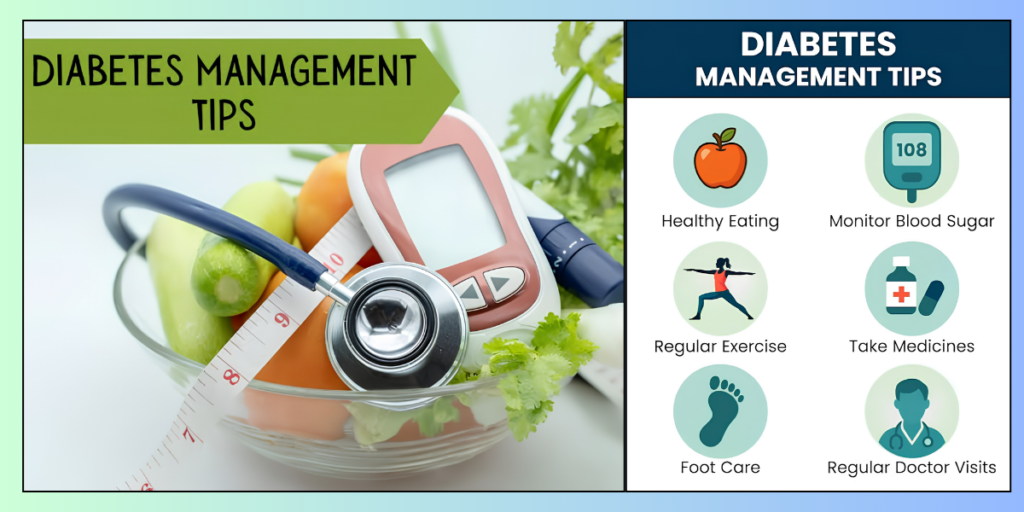
Consistency is the key to successful blood sugar management.
Please follow below
- Healthy meal plan
- Exercise regularly
- Maintain a healthy weight
- Drink enough water
- Monitor blood sugar consistently
- Take medications on time
- Get adequate sleep
- Reduce stress
- Attend regular medical check-ups
- Avoid smoking, and limit alcohol
Frequently Asked Questions (FAQs)
- What is considered high blood sugar?
A fasting blood sugar level of 126 mg/dL, or higher on more than one test is generally considered diabetes, while consistently elevated readings indicate high blood sugar. - Can exercise lower high blood sugar?
Yes. Regular physical activity helps your body use insulin more effectively, and naturally lowers blood sugar levels. - Which foods should I avoid if I have high blood sugar?
Limit sugary drinks, sweets, white bread, refined carbohydrates, processed snacks, and fried foods. They can cause rapid blood sugar spikes. - How often should I check my blood sugar?
The frequency depends on your condition, and treatment plan. Follow your healthcare provider’s recommendations for regular monitoring. - Can high blood sugar be prevented?
Yes. Eating a balanced diet, staying active, maintaining a healthy weight, managing stress, getting enough sleep, and having regular health check-ups can significantly reduce the risk of developing high blood sugar.